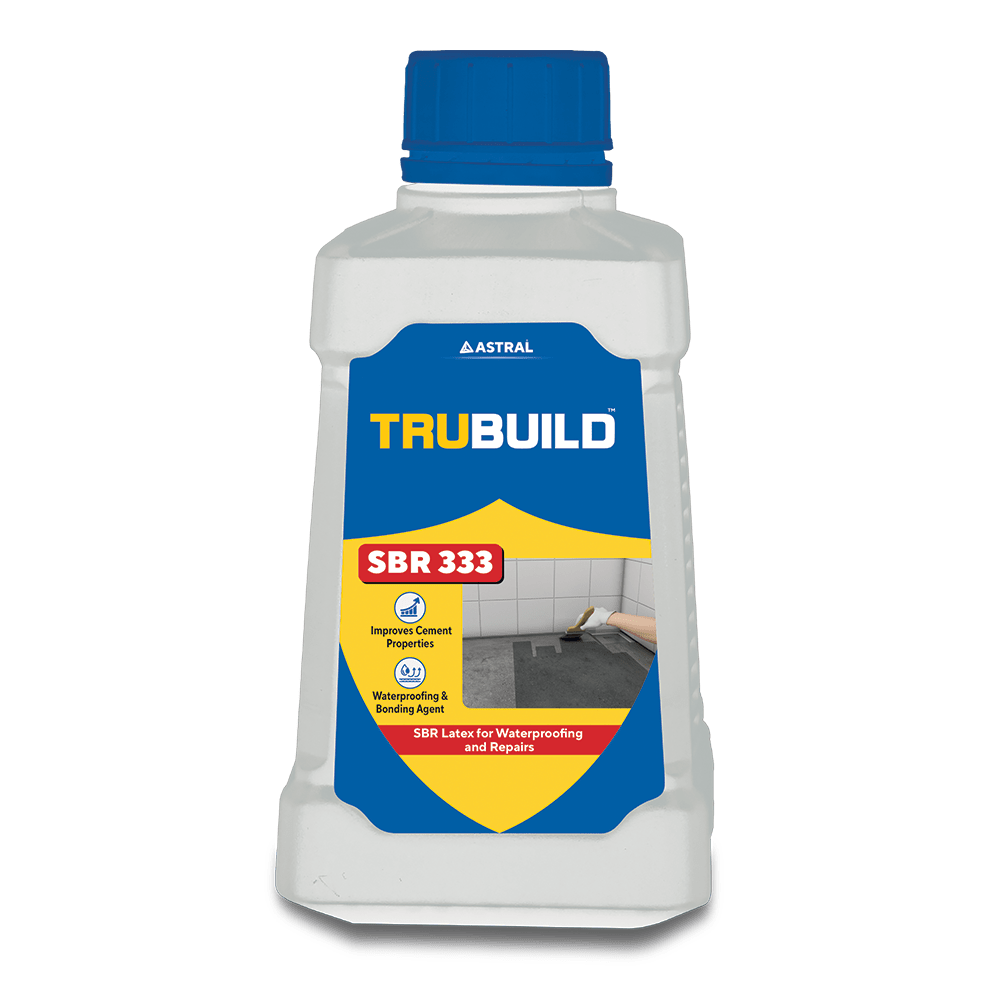
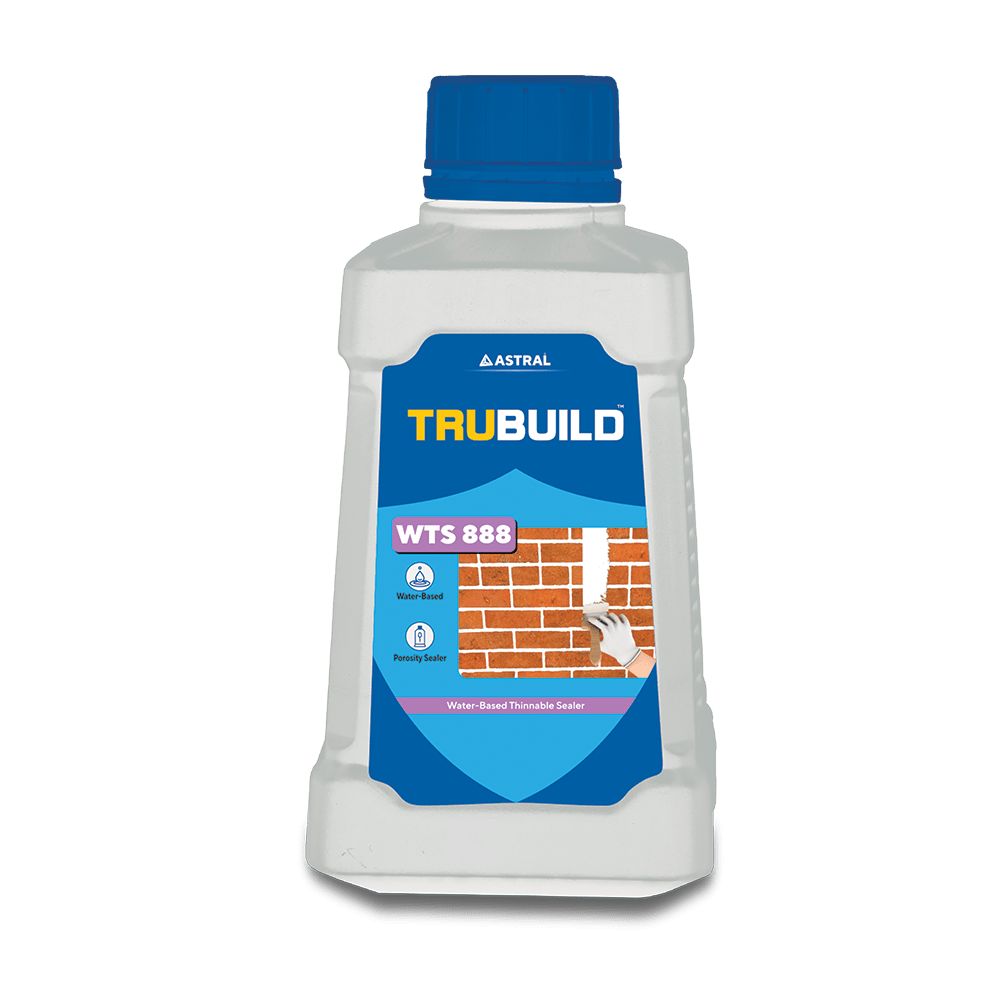
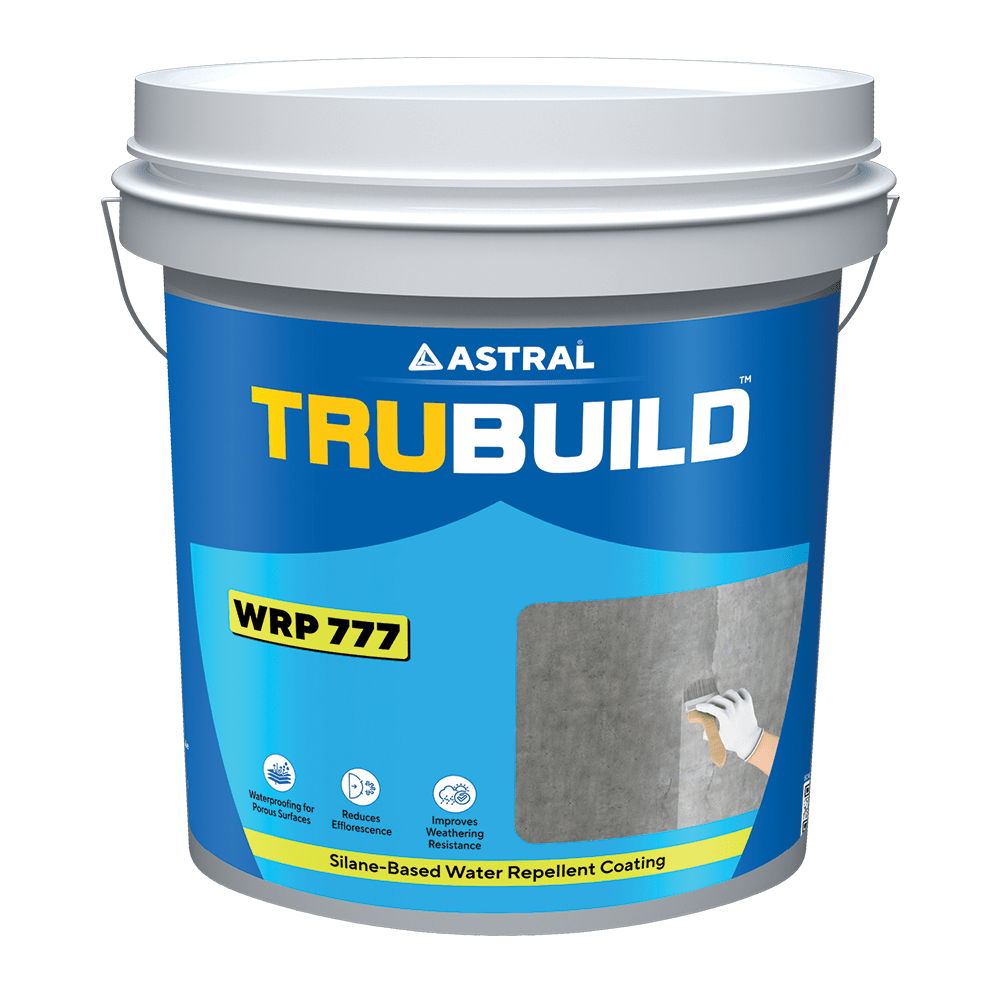
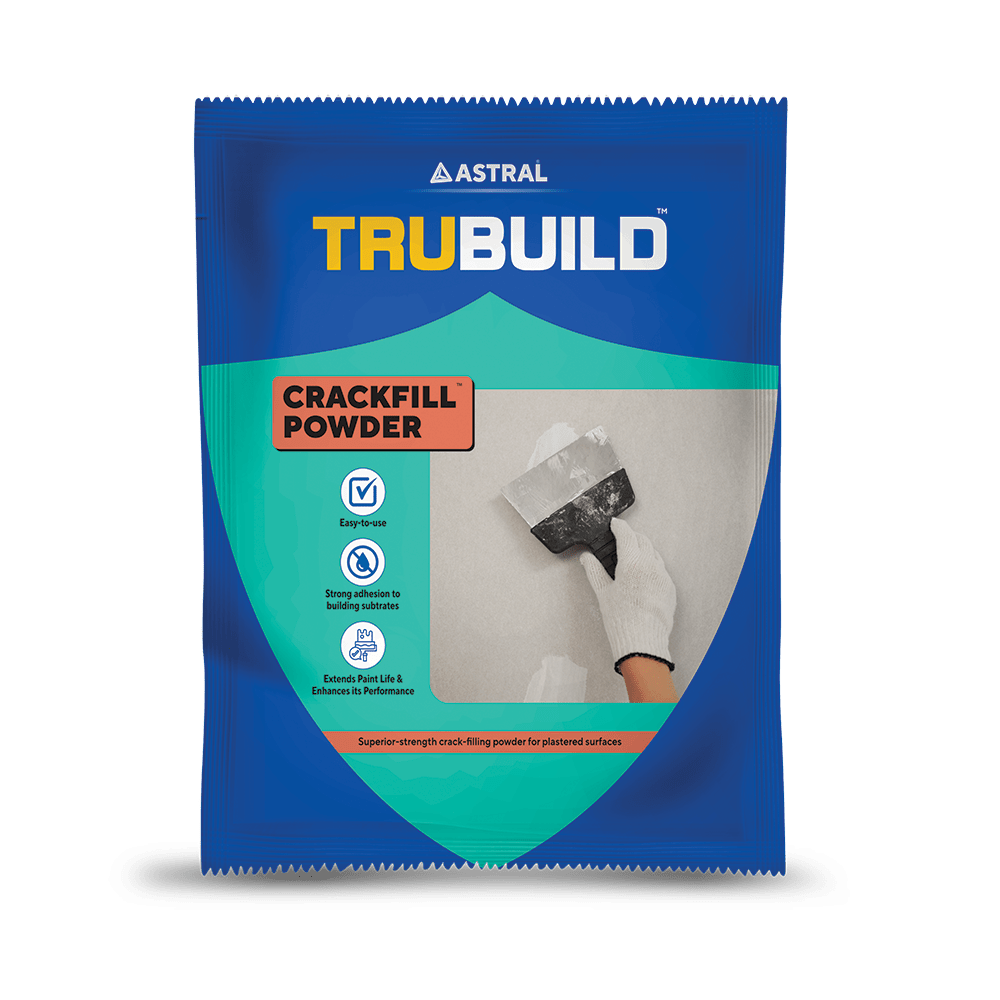



Professional Sealants
Roof Waterproofing
Substructure Waterproofing
Tiling and Grouting
Water Tanks and Other Areas
Find our latest products & Unleash the Waterproofing Powerhouse for All Your Surfaces!

Easy Application, Fast Results – Excellent Performance Guaranteed!
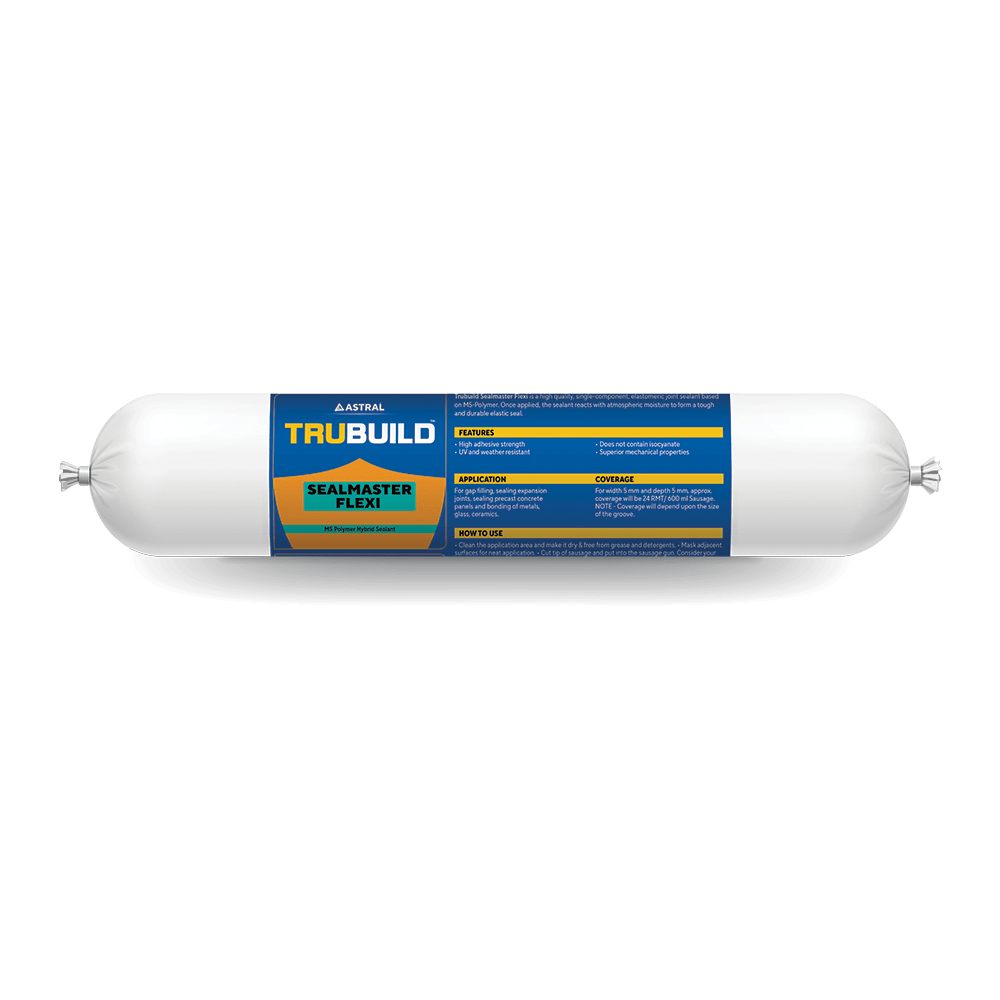
Expansion joint sealants are specialised, flexible materials designed to fill and seal expansion joints—intentional gaps created between concrete slabs, structures, or building elements to accommodate movement. These joints allow concrete to expand and contract due to temperature changes, load variations, and natural settling without causing cracks or structural damage.
By applying expansion joint sealants, you protect concrete surfaces from the ingress of water, dust, chemicals, and debris that can gradually weaken the structure. Without proper sealing, these contaminants can penetrate joints and lead to corrosion, surface deterioration, and long-term structural issues.
Expansion joint sealants play a critical role in construction projects because they safeguard buildings and infrastructure from moisture penetration and freeze-thaw cycles. When water enters unsealed joints and freezes, it expands, leading to cracks, spalling, and costly repairs over time.
Using the right expansion joint sealant for each application adds a vital layer of protection while enhancing durability. These sealants are engineered to remain elastic, allowing joints to move freely with thermal expansion, contraction, and shifting loads—without losing adhesion or sealing performance.
Whether used in new construction or repair projects, expansion joint sealants are essential for maintaining the integrity and longevity of pavements, industrial floors, walls, bridges, and concrete slabs. This makes them a core component of any reliable construction sealant system, ensuring long-lasting performance and reduced maintenance costs.
The main uses of joint sealant involve creating lasting protection against water, dirt, chemicals and air that can weaken structural elements over time. One of the most vital uses of joint sealant is sealing expansion joints and cracks in surfaces.
Without a quality sealant for concrete joints, these vulnerable points can allow moisture and debris in, leading to larger problems. Using joint sealant regularly, especially in areas exposed to weather or heavy use, will greatly extend the life of concrete.
A concrete gap filler is crucial for maintaining concrete surfaces and preventing trip hazards or unsightly cracks. The uses of joint sealant include filling both wide and narrow gaps, such as those found in car parks, pathways, industrial floors and pavements.
By applying a concrete gap filler, you stop weeds from growing between slabs and keep surfaces smooth and safe for foot and vehicle traffic. As a sealant for concrete joints, these solutions adapt to movement, ensuring a reliable seal even when concrete expands or contracts.
One of the often-overlooked uses of joint sealant is in improving the overall look of a concrete installation. A good concrete gap filler hides imperfections and keeps surfaces neat. Additionally, choosing the right sealant for concrete joints is vital for reducing future maintenance and repair expenses.
When the uses of joint sealant are maximised in construction, the barriers they create help prevent problems before they start, saving both time and money for property owners.
Not all cracks can be avoided but the right sealant for concrete joints and concrete gap filler solutions helps accommodate stress and prevent evolving damage. The repeated uses of joint sealant in high-stress environments, such as warehouses and bridges, demonstrate just how important these products are for structural longevity and safety.
By acting as both a shield and flexible support, joint sealants are indispensable to modern construction.
Applying joint sealants correctly is key to achieving good results and long-lasting protection. Here is how to apply joint sealants, covering all important aspects:
Start by cleaning the concrete joint. Remove dust, debris, grease and moisture. This ensures the concrete joint sealant sticks well.
Use masking tape to cover the surfaces next to the concrete joint. This keeps the application neat and reduces cleanup later.
Cut the tip of the sealant cartridge at a 45-degree angle. Fit it in an applicator gun. For applying concrete filler, select the right nozzle size for the joint.
Apply the sealant in a steady, continuous bead along the length of the joint. When you apply sealant to concrete joints, make sure to push the sealant into the gap to fill it completely. This step is key for using concrete joint sealant as it prevents voids and gaps.
Use a spatula or a wetted tool to smooth the freshly applied sealant. This gives a clean finish and ensures strong adhesion.
Remove the masking tape before the sealant starts to skin. This helps leave a precise, straight sealant line.
Let the joint sealant cure fully before exposing it to water, foot traffic or vehicle loads. Follow the manufacturer’s instructions for curing time.
Expansion joints are purposeful gaps or spaces placed within concrete slabs, specifically designed to absorb movement as the concrete naturally expands and contracts.
Understand what is expansion joint and know that it plays a vital role in preventing the concrete from cracking or breaking when exposed to changing weather or heavy loads. A concrete expansion joint is especially important in large construction projects such as pavements, bridges and industrial floors, where long stretches of concrete are laid.
By installing a concrete expansion joint, construction professionals give the slab room to move without causing structural issues. Applying an expansion joint sealant fills these planned gaps, creating a flexible and watertight barrier that protects the concrete from moisture, debris and contaminants. This use of expansion joint sealant not only maintains the integrity of the structure but also helps to avoid costly repairs.
Overall, a well-designed expansion joint, when paired with a quality expansion joint sealant, is essential for the durability and longevity of any large concrete installation.
Joint sealants stop moisture, dirt and contaminants from entering concrete joints. This prevents damage and helps maintain the strength and integrity of the structure.
Concrete expansion joints should be inspected regularly and replaced if damaged or failing. The lifespan depends on traffic and weather but most need checking every few years.
Yes, sealing concrete next to new expansion joints protects the structure from water, dirt and weather, extending its life and stability.
A good quality concrete joint sealant can last several years. Longevity depends on exposure to traffic and the environment. Regular checks ensure early detection of wear.
For large gaps in metal and stone, use a joint sealant suitable for those materials. Clean the area, insert a backer rod for deep gaps, then apply the metal expansion joint sealant evenly.
Yes, filling concrete expansion joints is important to prevent debris buildup, control moisture and maintain concrete integrity over time.
Concrete filler usually dries to the touch within hours but may need 24-48 hours to cure fully. Always check the product instructions for precise drying times.
Expansion joint sealants are flexible, waterproof and can resist movement. Polyurethane and silicone-based products are common choices for sealing expansion joints.
Yes, most joint sealants are formulated to stop water leaks by forming a waterproof barrier in gaps and joints.
To fill gaps in concrete, clean the area, apply a concrete gap filler and smooth the surface for a strong, sealed finish. Choose a filler designed for concrete joints for best results.