


 Concrete and Mortar
 Exterior Waterproofing
 Professional Sealants
 Roof Waterproofing
 Substructure Waterproofing
 Tiling and Grouting
 Water Tanks and Other Areas
 Wet Areas

 Home
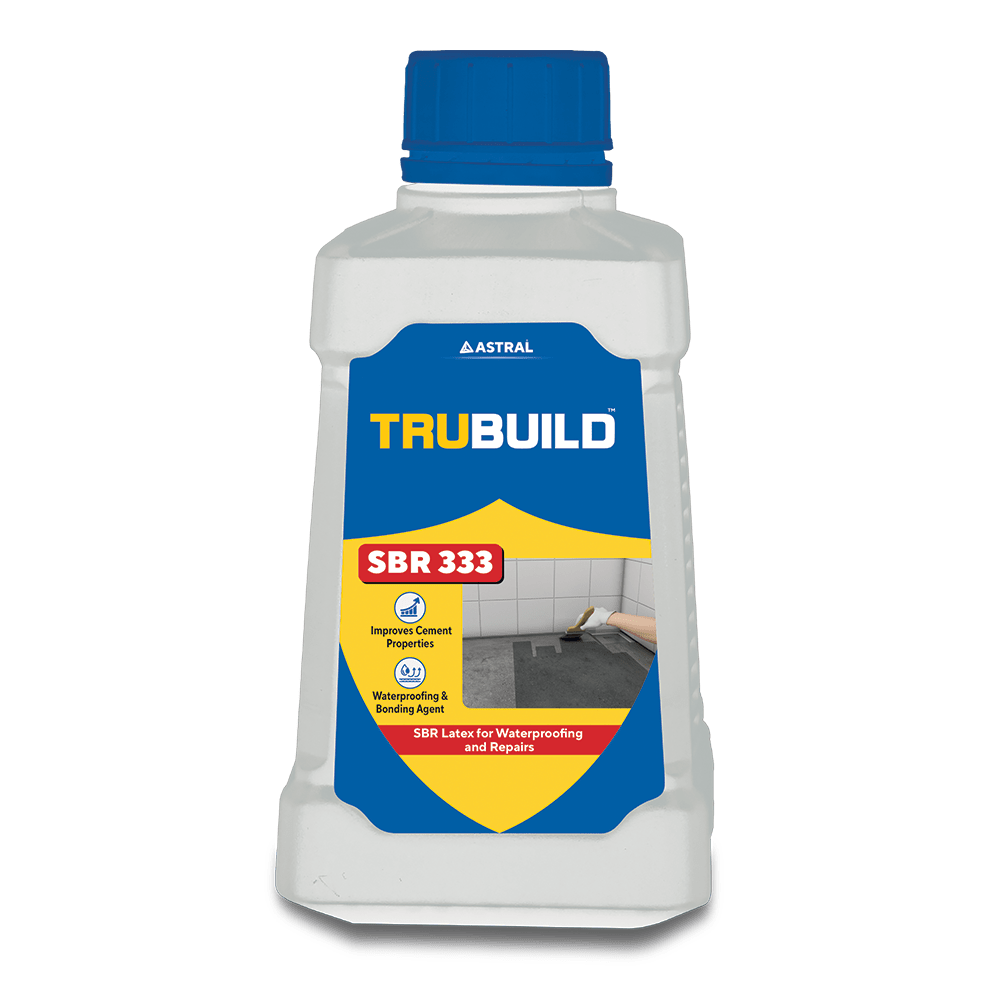
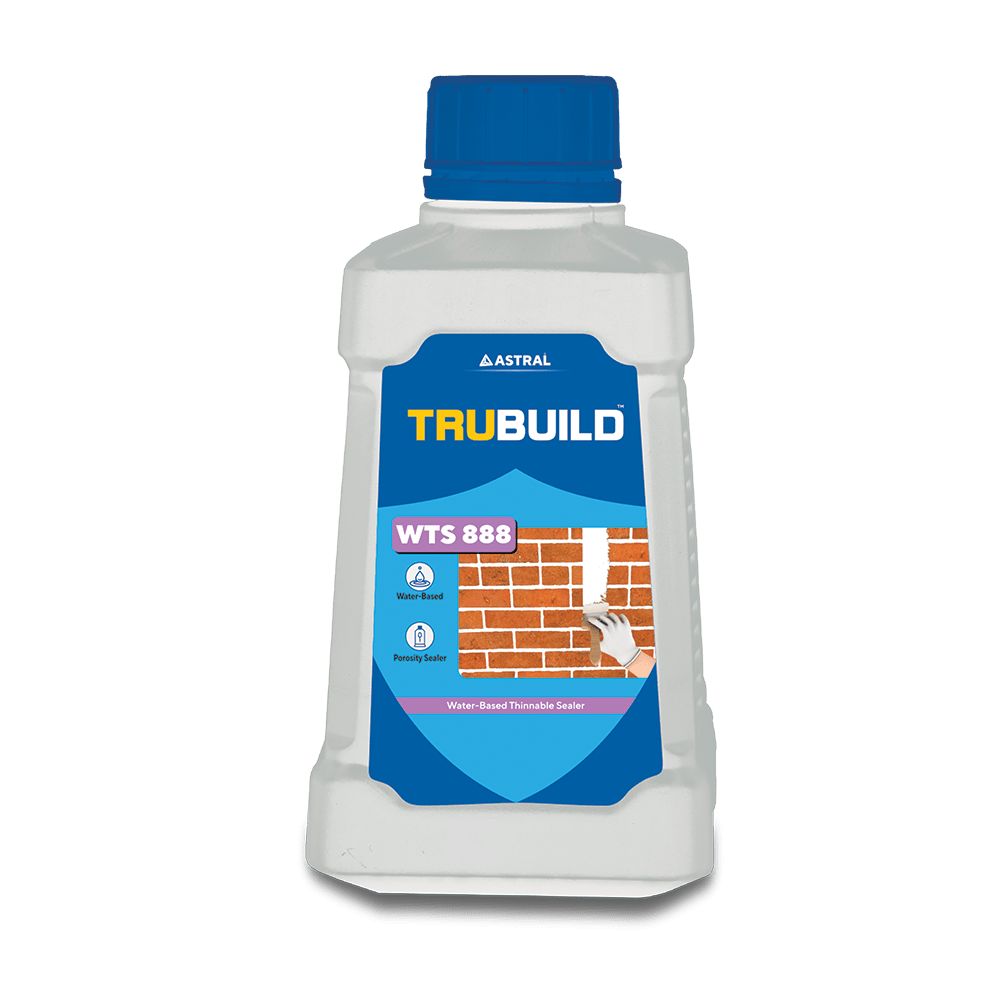
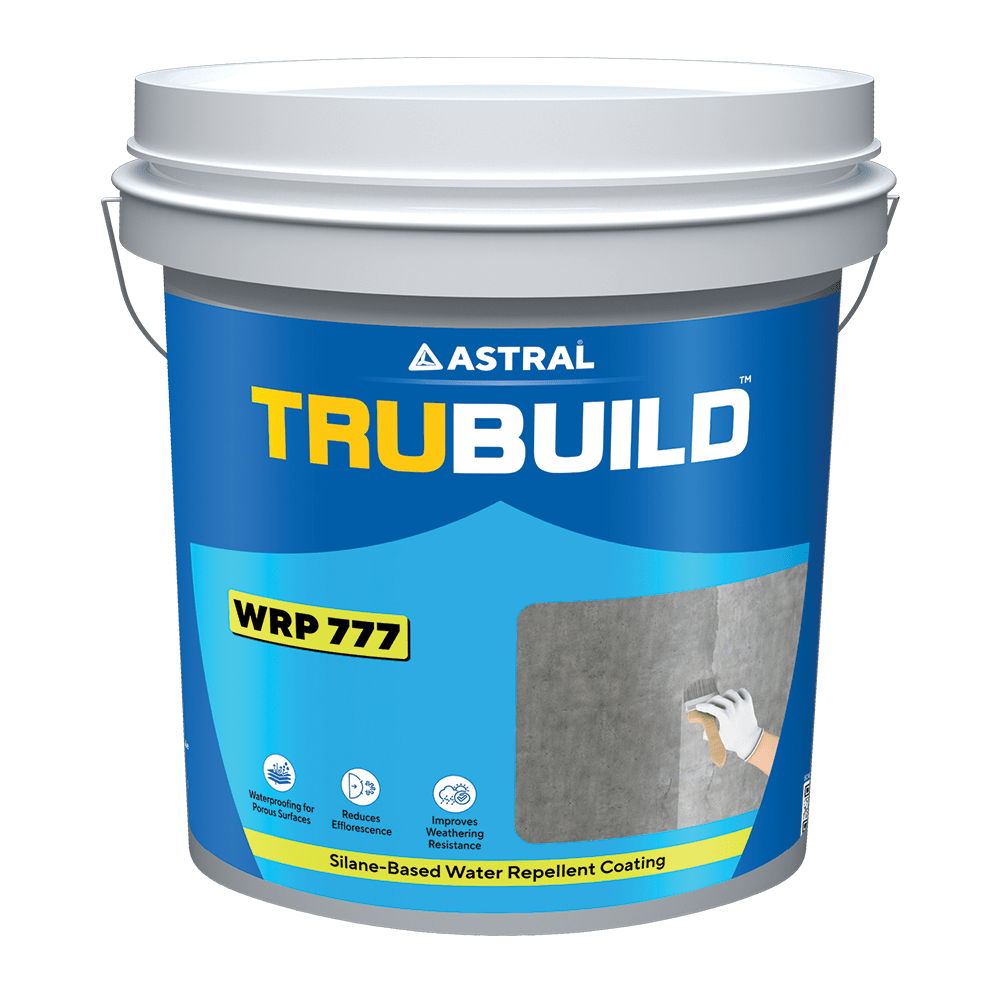
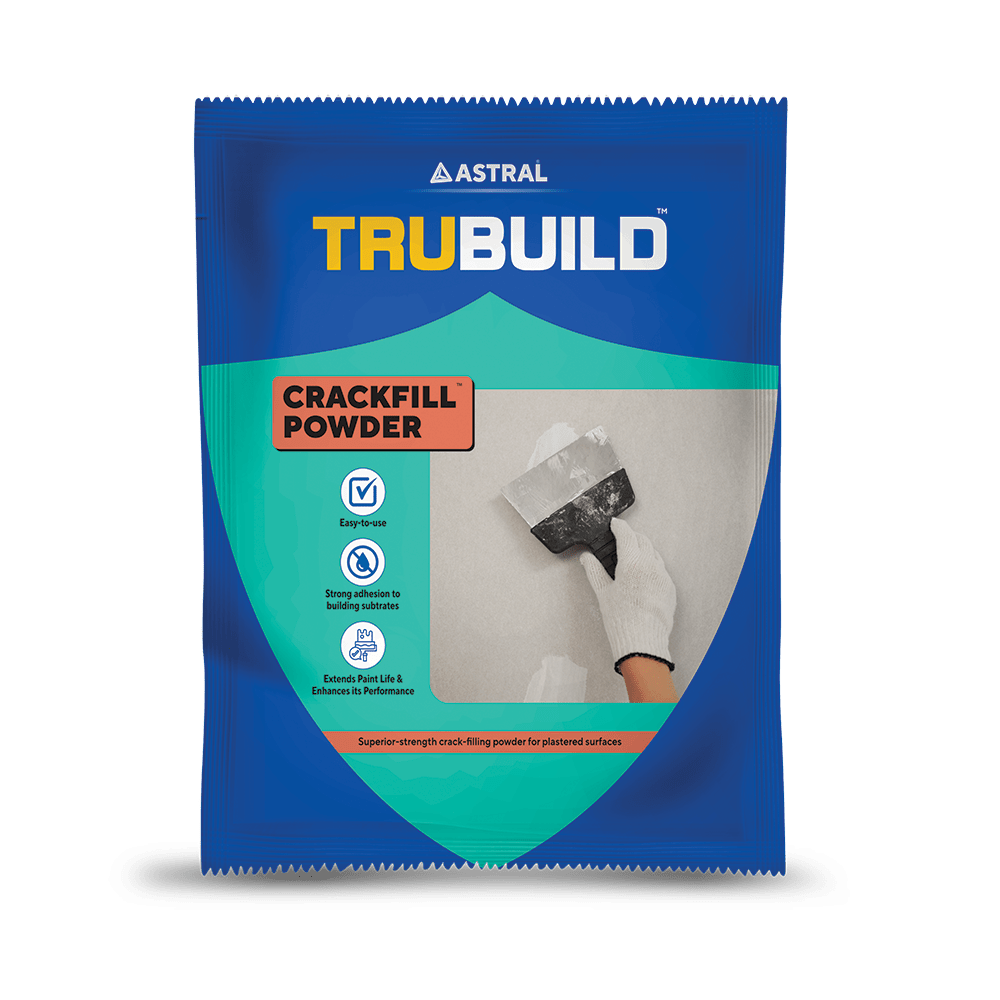
HomeFind our latest products & Unleash the Waterproofing Powerhouse for All Your Surfaces!

Easy Application, Fast Results – Excellent Performance Guaranteed!
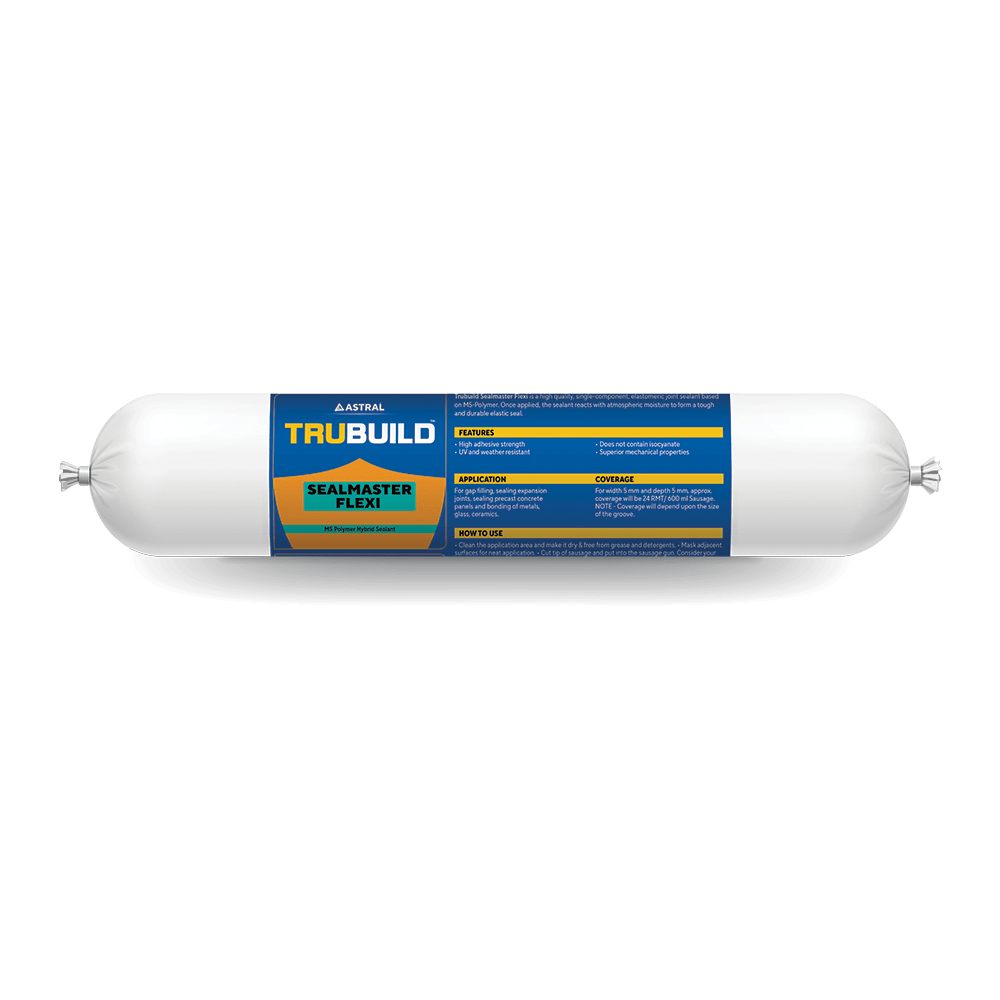
Joint sealants stop moisture, dirt and contaminants from entering concrete joints. This prevents damage and helps maintain the strength and integrity of the structure.
Concrete expansion joints should be inspected regularly and replaced if damaged or failing. The lifespan depends on traffic and weather but most need checking every few years.
Yes, sealing concrete next to new expansion joints protects the structure from water, dirt and weather, extending its life and stability.
A good quality concrete joint sealant can last several years. Longevity depends on exposure to traffic and the environment. Regular checks ensure early detection of wear.
For large gaps in metal and stone, use a joint sealant suitable for those materials. Clean the area, insert a backer rod for deep gaps, then apply the metal expansion joint sealant evenly.
Yes, filling concrete expansion joints is important to prevent debris buildup, control moisture and maintain concrete integrity over time.
Concrete filler usually dries to the touch within hours but may need 24-48 hours to cure fully. Always check the product instructions for precise drying times.
Expansion joint sealants are flexible, waterproof and can resist movement. Polyurethane and silicone-based products are common choices for sealing expansion joints.
Yes, most joint sealants are formulated to stop water leaks by forming a waterproof barrier in gaps and joints.
To fill gaps in concrete, clean the area, apply a concrete gap filler and smooth the surface for a strong, sealed finish. Choose a filler designed for concrete joints for best results.
