

 Concrete and Mortar
 Exterior Waterproofing
 Professional Sealants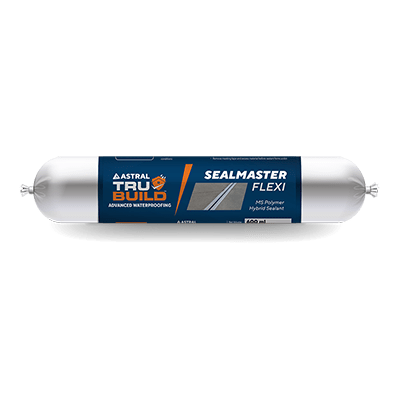
 Roof Waterproofing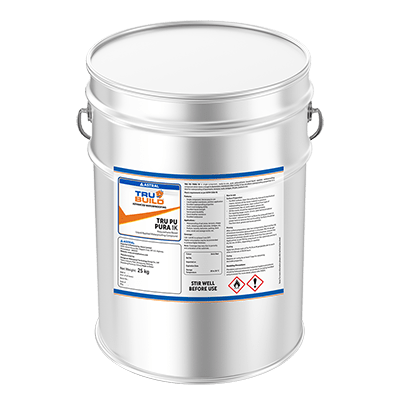
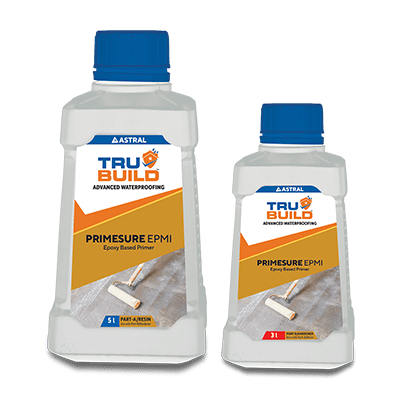
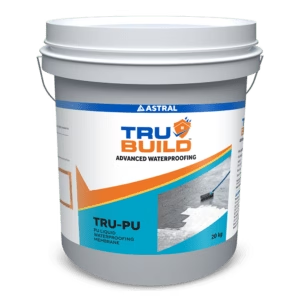
 Substructure Waterproofing
  Tiling and Grouting
 Water Tanks and Other Areas
  Wet Areas

 Home
HomeHow to Ensure Long-Term Waterproofing in Old Bathrooms?
Dec 18, 2025

Renovating an old bathroom in India often starts with visible upgrades like fresh tiles or new fittings. But the real problem usually lies beneath the surface. Hidden leaks, damp patches and that familiar musty smell can keep coming back if waterproofing is ignored. A smart renovation focuses first on long-term waterproofing in old bathroom floors and walls, so every other upgrade actually lasts.
Why do Old Bathrooms face Waterproofing Issues?
Many Indian homes were built with basic or outdated waterproofing in bathroom floors and walls. Over time, tiles loosen, grout cracks, and earlier coatings lose adhesion due to constant wetting, harsh cleaners and thermal movement.
Older bathrooms often have flat or wrong slopes, corroded pipes and poorly sealed joints near floor drains and plumbing lines. These gaps allow water to seep below tiles. It can lead to damp patches on adjacent rooms, peeling paint on ceilings below and even structural damage.
Signs Your Old Bathroom Needs Waterproofing
Look out for these warning signs before planning the best bathroom waterproofing system for renovation:
- Damp spots, yellow stains or paint bubbles on the wall shared with the bathroom or on the ceiling of the room below.
- Persistent musty odour, mould or black spots in tile joints, corners and behind bathroom fixtures.
- Loose, hollow-sounding or cracked tiles and crumbling grout around the shower, WC area and floor drain.
- Water that accumulates near the drain instead of flowing away smoothly points to slope problems under the tiles.
How to Waterproof an Old Bathroom?
A systematic process helps achieve long-term waterproofing in bathroom renovations, especially in older Indian buildings.
Step 1: Surface cleaning and tile removal
The contractor first disconnects sanitary fittings and removes old tiles from the floor and lower wall areas that need treatment. Loose mortar and dust are cleaned thoroughly using mechanical tools and water so that the new system bonds well. Any traces of soap scum, oil, paint or old waterproof coating are removed, especially in corners and around the drain. Clean, sound concrete or screed is important for the best waterproofing for bathroom floors.
Step 2: Crack repair
Visible cracks or honeycombs in the slab or screed are opened, cleaned and filled with polymer-modified repair mortar or suitable crack fillers. Junctions between floor and wall, around pipes and at door thresholds are treated with coves or flexible sealants so that movement does not reopen gaps later.
Step 3: Slope correction
For older bathrooms in India, a wrong slope is a common reason behind water stagnation and seepage. A fresh screed is laid to create a uniform slope towards the floor drain, usually around a 1 to 1.5 percent gradient. This helps water flow quickly and reduces load on bathroom waterproofing layers.
Step 4: Primer application
Once the screed cures and becomes surface-dry, a compatible primer is applied to improve adhesion between the substrate and the chosen waterproof coating. Primers also help seal minor pores and reduce suction so that the liquid membrane or cementitious waterproofing spreads evenly across the bathroom floor and walls.
Step 5: Waterproof coating (2–3 layers)
The core step in waterproofing in bathroom renovation is applying the main membrane in multiple coats.
- Cementitious or liquid membranes are brushed or rolled on the floor and carried up the wall for at least 300 mm and higher in the shower area.
- Two to three coats are applied in alternate directions, with recommended drying time between each layer to build a continuous barrier.
Extra reinforcement mesh is often embedded around drains, corners and pipe outlets to reduce the risk of cracking.
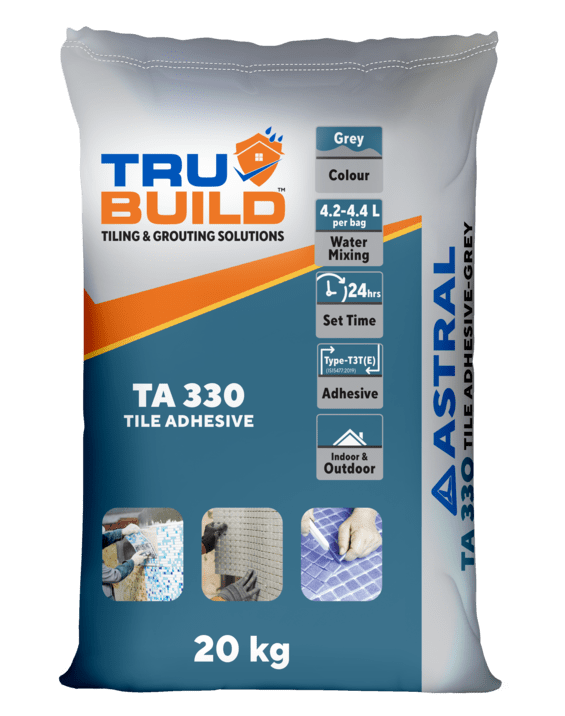
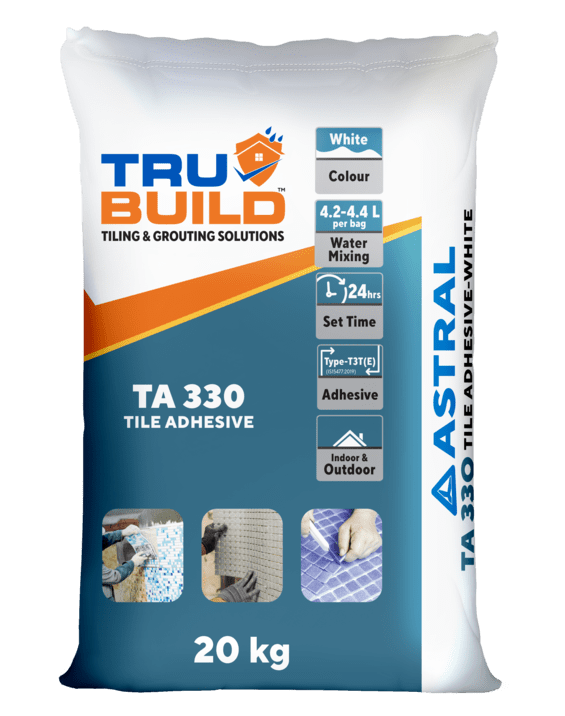
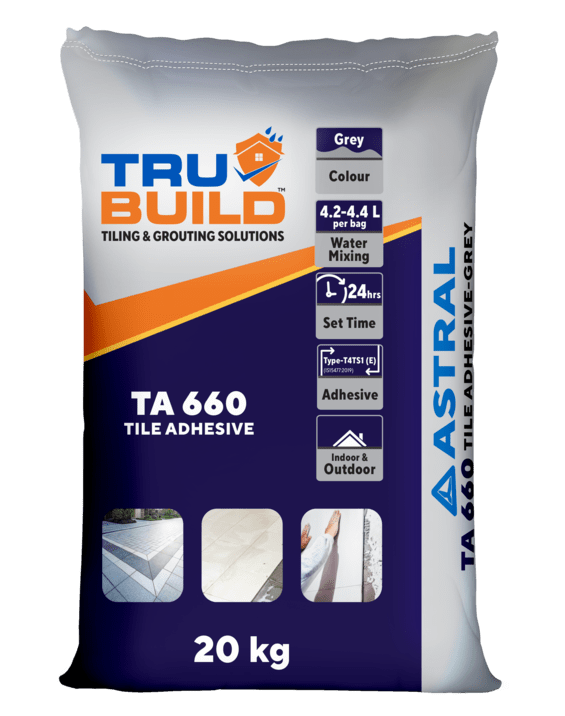
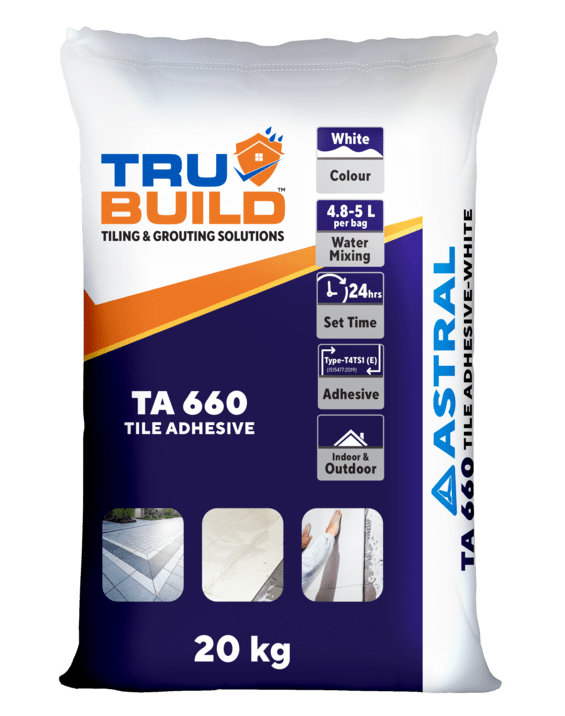
Step 6: Tile Fixing Using High-Quality Adhesive
After the bathroom waterproofing coat is fully cured, tiles are fixed with polymer-based tile adhesives instead of conventional sand–cement mortar. These adhesives offer better bond strength, flexibility and water resistance, which supports long-term performance of the best bathroom waterproofing systems under tiles.
Step 7: Grouting and Sealing
Joints are filled with waterproof grout that resists staining and moisture ingress. Silicone or flexible sealant is applied in movement-prone areas like corners, around sanitaryware and along glass partitions, which helps preserve the best waterproofing for bathroom floors and walls over many years.
Best Bathroom Waterproofing Methods
Choosing the best waterproofing for bathroom renovation depends on substrate condition, budget and life expectancy.
1. Cementitious Waterproofing
Cementitious bathroom waterproofing uses cement-based coatings often modified with polymers to improve flex and bonding. It is widely used in Indian homes because it is easy to apply, compatible with concrete and masonry and suitable for under-tile waterproofing in showers, toilets and small wet areas.
2. Liquid Membrane Waterproofing
Liquid membranes are brushable or rollable coatings that form a seamless, flexible film after curing. They work very well around complex details like drains, niches and pipe penetrations, which makes them a popular option for the best bathroom waterproofing solutions in modern renovations.
3. PU Waterproofing for Long-term Protection
Polyurethane (PU) waterproofing is a high-performance liquid system that cures into an elastic membrane with strong crack-bridging properties. Although PU waterproofing is more common on roofs and exposed terraces, specialised grades are also used in wet areas for long-term waterproofing in bathroom zones that face heavy use or movement.
4. Hybrid Waterproofing Systems
Hybrid systems combine cementitious waterproofing in the base with liquid or PU membranes in high-risk zones, followed by under-tile treatment and grouts. This mix of rigid and flexible layers can deliver some of the best waterproofing for bathroom floors in older buildings where structural movement and hairline cracks are common.
Why Use Astral Trubuild Aqualock for Bathroom Waterproofing?
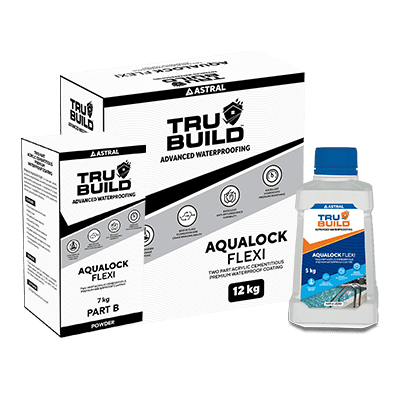
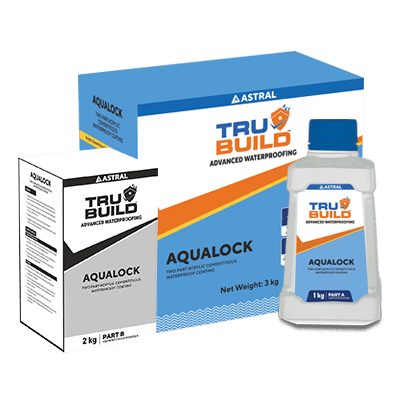
Astral Trubuild Aqualock is a strong choice for old bathroom waterproofing because it treats the actual concrete and masonry, not just the tiles. Its acrylic‑modified, cement‑based formula forms a flexible, seamless layer. This layer blocks water from passing through pores and hairline cracks in ageing surfaces.
It sticks well to concrete and masonry, dries fast and can be applied easily with a brush or trowel, which helps contractors work neatly in tight bathroom spaces. Since it can be used on damp surfaces, it suits Indian renovation sites where slabs may not be completely dry.
Aqualock is free from VOCs and uses non‑toxic ingredients. So it is safer for enclosed bathrooms in homes with children and seniors. The same product can also be used in toilets, kitchens, balconies, tanks and basements. This helps when an old home has multiple leakage points.
Explore Astral Trubuild’s waterproofing solutions to know more.
FAQ
What is the best waterproofing for old bathrooms?
For most old Indian bathrooms, the best waterproofing for bathroom floors is a polymer-modified cementitious system or liquid membrane applied under tiles, reinforced at corners, drains and pipe joints. In bathrooms with frequent movement or hairline cracks, a hybrid build-up that includes flexible liquid or PU layers offers better long-term waterproofing in bathroom renovation projects.
Can bathroom waterproofing be done without removing tiles?
Minor seepage caused by damaged grout or sealant can sometimes be managed by regrouting and applying surface sealers on existing tiles. For serious leaks, long-term waterproofing in bathroom slabs usually requires tile removal, substrate repair and installation of a full under-tile waterproofing system for reliable results.
How long does bathroom waterproofing last?
Quality bathroom waterproofing in India typically lasts 7–10 years for standard cementitious systems and longer when advanced liquid or PU membranes are used and maintained properly. Regular checks of grout, sealant and slopes, along with timely repairs, help maintain the best bathroom waterproofing performance over the life of the bathroom.

