
 Concrete and Mortar
 Exterior Waterproofing
 Professional Sealants
 Roof Waterproofing
 Substructure Waterproofing
  Tiling and Grouting
 Water Tanks and Other Areas
  Wet Areas

 Home
HomeDifference Between Roof Coating and Roof Waterproofing
Oct 29, 2025

Every homeowner and every architect, when constructing a new home or building, wants to ensure that they protect it from the country’s diverse weather. Be it sudden rain showers, the sun or growing temperature. Many people wonder what keeps roofs safe for years. Is a simple roof coating enough or does the task call for a full roof waterproofing solution? This guide breaks down the basics, so Indian households and property owners can make clear, smart choices about their roofs. Learn what each method offers, how they stand up to Indian climates and which is the best fit for your needs.
What Is Roof Coating?
A roof coating is a protective layer applied directly to the surface of the roof. Its main purpose is to shield the roof from sunlight, heat and rain. Roof coatings are usually made from materials like acrylic, polyurethane, bitumen or elastomeric compounds. These coatings form a thin, continuous film that helps improve the roof’s durability. Some of these solutions are also designed to reflect sunlight to lower indoor temperatures. In Indian conditions, this protection is very helpful during long monsoons and hot summers.
Common features include:
- Extended roof life by reducing wear from direct weather exposure
- Formation of a seamless and flexible barrier that handles the natural expansion and contraction of roofing materials
- Quick and straightforward application without the need for major construction work
Yet, while roof coatings offer strong surface-level protection. Their resistance to standing water or deeper leaks is limited compared to full waterproofing solutions.
What Is Roof Waterproofing?
Roof waterproofing involves applying specialised systems, chemicals or membranes to create a barrier that keeps water from entering the roof and its underlying spaces. Also, these waterproofing solutions are designed to tackle water seepage, cracks and long-term leaks.
There are different types of roof waterproofing systems in India:
- Liquid-applied membranes (PU, acrylic or cementitious types)
- Bituminous sheets
- Polymer-modified cement or hybrid approaches
The best waterproofing solution not only stops leaks but also strengthens the roof against future structural damage caused by constant exposure to moisture. Most modern products can be applied to various surfaces. It can be used on concrete and metal, which makes it suitable for both old and new buildings. Roof waterproofing is essential for areas with heavy rainfall. It helps to ensure that even minor cracks or invisible points of entry are sealed far more effectively than surface coatings.
Difference Between Roof Coating and Roof Waterproofing
Here is a comparative breakdown to help you understand how these two roofing solutions address Indian climate needs.
|
Feature |
Roof Coating |
Roof Waterproofing |
| Purpose | Shields against the sun and light rain | Protects from water leaks and seepage |
| Composition | Acrylic, polyurethane, bitumen | PU, acrylic membranes, bitumen sheets |
| Thickness | Thin film (micron-level) | Thicker (creates a robust barrier) |
| Flexibility | High (handles roof movement well) | High, but also bridges minor cracks |
| Application | Roller or brush, quick to apply | Some need more steps or layers |
| Main Protection | UV rays, heat, light surface wear | Deep-seated leaks, moisture outflow |
| Lifespan | 3–5 years (varies by climate) | Upwards of 5–7 years or more |
| Area of Suitability | Best for mild climates, low rainfall | Ideal for all regions, especially monsoons and heavy rain |
| Maintenance | Easy to reapply | Less frequent due to longer-lasting barrier |
Roof coatings are best for external weather resistance and cooling, while waterproofing tackles leak issues at the source and offers a more comprehensive solution for Indian rooftops put to the test by heavy rain and harsh sunlight.
Explore Astral Trubuild’s Roof Waterproofing Solutions
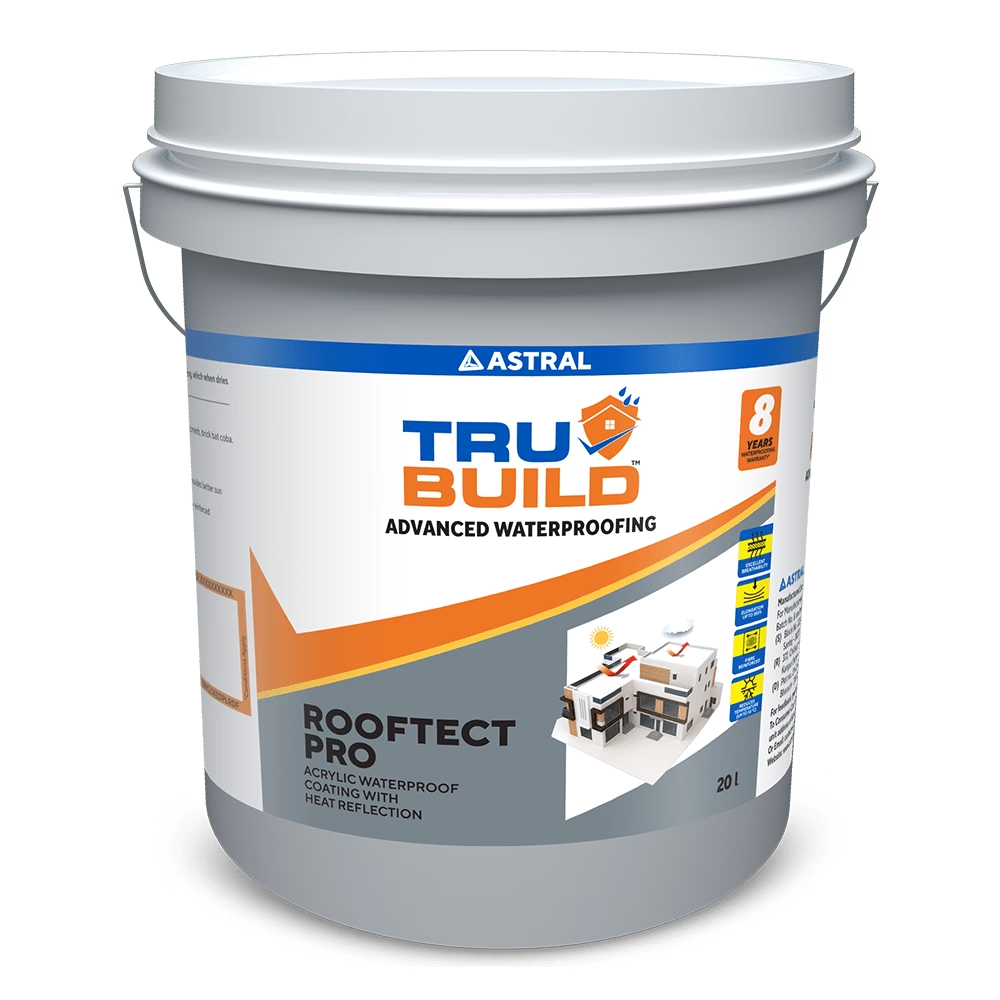
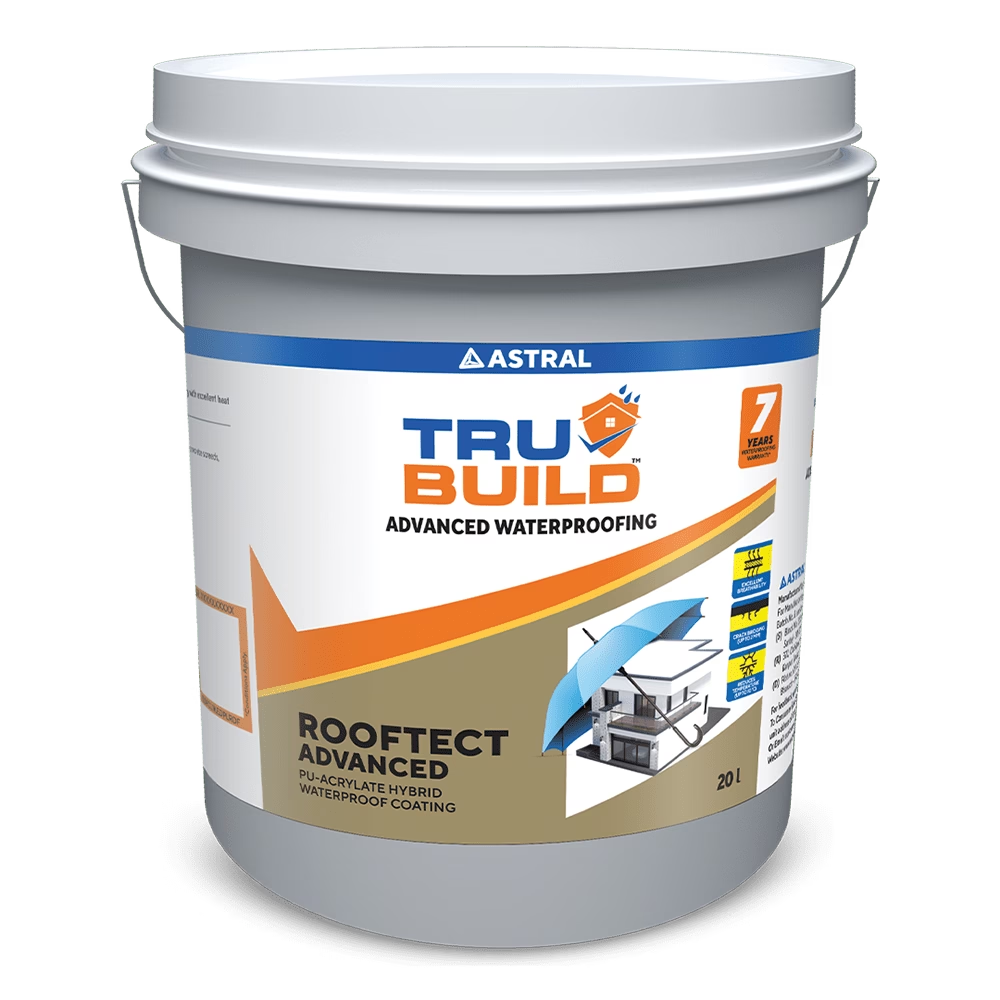
When it comes to advanced waterproofing options in India, Astral Trubuild has earned a reputation for reliable, durable solutions. Our Rooftect Advanced is a PU-acrylate hybrid coating that combines flexibility and long-lasting resistance. It is ideal for residential and commercial rooftops. It creates a seamless layer that fends off water seepage. It also adapts to temperature swings and backs up its performance with a 7-year warranty.
Whether your roof is concrete, metal or terrace tiles, Astral Trubuild’s waterproofing solutions are easy to apply and fit all types of roofing materials. Trust a solution built for Indian climates and Indian homes.
Choosing between roof coating and roof waterproofing comes down to your building’s needs and local weather conditions. Roof coatings offer a simple shield, while waterproofing provides deeper, long-term protection. For any property in India facing unpredictable or harsh weather, investing in a robust waterproofing solution can give you peace of mind well into the future.
FAQ
How often should you recoat or reapply waterproofing?
Roof coatings usually need reapplication every 3-5 years, while high-quality waterproofing systems can last 5–7 years or longer based on weather exposure.
Is waterproofing suitable for metal or concrete roofs?
Yes, modern waterproofing solutions from brands like Astral Trubuild are designed to work on both metal and concrete roofs. They bond well and offer strong protection, regardless of the material.
Can both methods be applied together?
Combining a roof coating over a waterproofing layer is possible and can boost both durability and energy efficiency. Many buildings choose both roofing solutions for added protection and comfort, especially in challenging Indian climates.