
 Concrete and Mortar
 Exterior Waterproofing
 Professional Sealants
 Roof Waterproofing
 Substructure Waterproofing
  Tiling and Grouting
 Water Tanks and Other Areas
  Wet Areas

 Home
Home10 Waterproofing Mistakes to Avoid During Home Construction
Jun 12, 2026
Waterproofing mistakes during home construction can turn a brand‑new house into a recurring repair project. Thoughtful planning and the right decisions at the construction stage help Indian homes cope better with monsoon rain, daily bathroom use and changing weather. This guide explains why waterproofing matters, the top mistakes to avoid, and simple best practices that support long‑term protection.
Why Does Waterproofing Matter During Home Construction?
Waterproofing during home construction is about protecting the structure as well as the interiors. Roofs, terraces, bathrooms, basements and external walls are exposed to water in different ways, especially in Indian climates with strong monsoon seasons. If these areas are not treated correctly when the home is built, damp patches, leaks and mould can appear within a few years.
Planning waterproofing early allows it to be integrated into foundations, slabs, under‑tile zones and external surfaces rather than only applied as paint. This reduces future repair costs, helps maintain indoor comfort and supports better property value over time.
What are the Top Waterproofing Mistakes to Avoid in New Homes?
Many common waterproofing problems in new homes trace back to a few avoidable mistakes. Understanding these pitfalls makes it easier to guide contractors and take informed decisions during construction.
Delaying Waterproofing Decisions
Waterproofing is sometimes treated as a finishing task rather than a design element. Decisions are delayed until late in construction, when access to key areas such as foundations, slabs and under‑tile zones is limited. This leads to weaker, surface‑only solutions instead of deeper protection.
Using Poor‑Quality or Mismatched Products
Choosing the cheapest product without checking whether it suits the area and exposure is another frequent mistake. A coating meant for walls may be applied on roofs, or a basic paint may be expected to perform as a waterproofing membrane. This mismatch reduces effectiveness and lifespan.
Ignoring Cracks and Joints
Cracks in concrete, masonry and plaster, as well as joints between slabs and walls, are natural entry points for water. If these are not treated before applying waterproofing, leaks often reappear through the same paths, even when good products are used on the surface.
Selecting the wrong waterproofing system
Different parts of a home need different systems. Roofs and terraces may need membranes, bathrooms require under‑tile waterproofing, and basements call for coatings that can handle water pressure. Using one type of solution everywhere rarely works well and can waste budget.
Poor Surface Preparation
Applying waterproofing on dusty, damp, oily or unsound surfaces reduces adhesion and performance. Skipping cleaning, repair of hollow plaster and removal of loose coatings creates weak layers that can peel, blister or allow water to travel underneath.
Skipping or Shortening Curing Time
Waterproofing materials need time to react, set and develop their full properties. Rushing the work and exposing membranes or coatings to heavy rain or load too early can damage films, create micro‑cracks and shorten service life.
Improper Drainage and Slope
A flat or reverse‑sloped terrace collects water, no matter how good the waterproofing is. Blocked outlets and poorly placed drains cause ponding, which increases stress on the system. Correct slope and drainage are as important as the product itself.
Waterproofing Only Visible Areas
Focusing only on paint, tiles and decorative finishes while neglecting foundations, plinths, balcony edges and under‑tile zones is a major oversight. Water often enters at these hidden points and shows up later in visible surfaces.
DIY Waterproofing Without Technical Guidance
Attempting complex waterproofing as a do‑it‑yourself activity, without suitable tools or product knowledge, can lead to incomplete coverage, wrong mix ratios and poor detailing. This is especially risky on roofs, bathrooms and basements.
Ignoring Maintenance Checks After Handover
Even a well‑waterproofed home benefits from simple maintenance checks. When roofs, bathrooms and external walls are never inspected after handover, small issues such as blocked drains and minor cracks can grow into major leaks over time.
How do Professionals Prevent Waterproofing Mistakes During Home Construction?
Experienced professionals treat waterproofing as part of the overall design and construction process rather than an add‑on. They assess each area separately and select systems that match use, exposure and structure. Clear specifications are created for foundations, roofs, bathrooms, basements and external walls.
On site, professionals focus on surface preparation, correct mix proportions, film thickness and application methods. They supervise critical steps such as crack repair, detailing around outlets, and curing times. Water tests or inspection checks may be done before final finishes go in, so that problems are addressed while access is still easy.
What are the Best Practices for Waterproofing a New Home?
Homeowners and site engineers can follow a few straightforward practices to reduce waterproofing errors in new homes.
- Plan waterproofing at the design stage for foundations, basements, roofs, terraces, bathrooms, balconies and external walls.
- Use area‑specific systems rather than a single product for the entire house.
- Repair cracks and prepare surfaces properly before any waterproofing is applied.
- Provide correct slope and drainage on roofs, terraces and balconies so that water flows to outlets.
- Follow the application guidelines and recommended film thickness or mix ratios for each product.
- Allow full curing time for membranes and coatings before exposing them to traffic or heavy rain.
- Schedule simple pre‑monsoon inspections of roofs, bathrooms and external walls to catch early signs of wear.
These practices are easier and more economical to implement during home construction than after leaks appear.
Why is Astral Trubuild a Trusted Brand for Waterproofing Solutions?
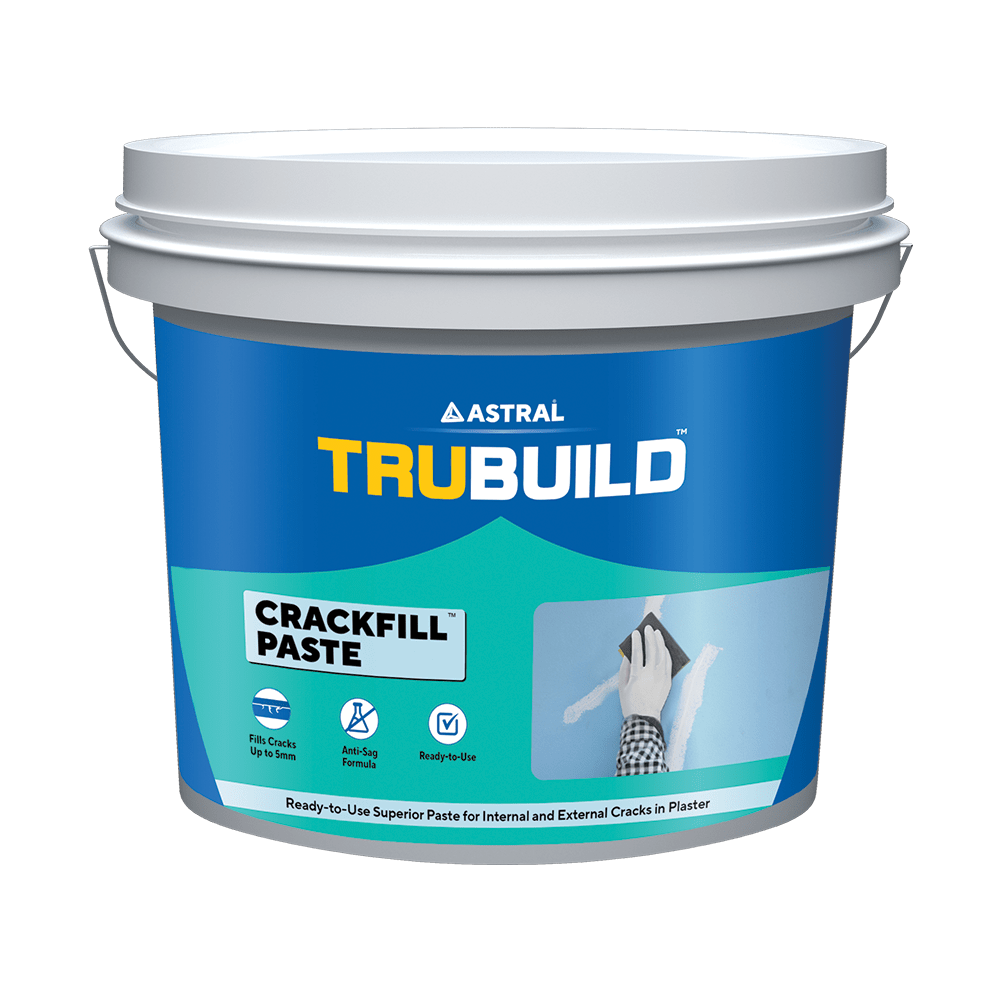
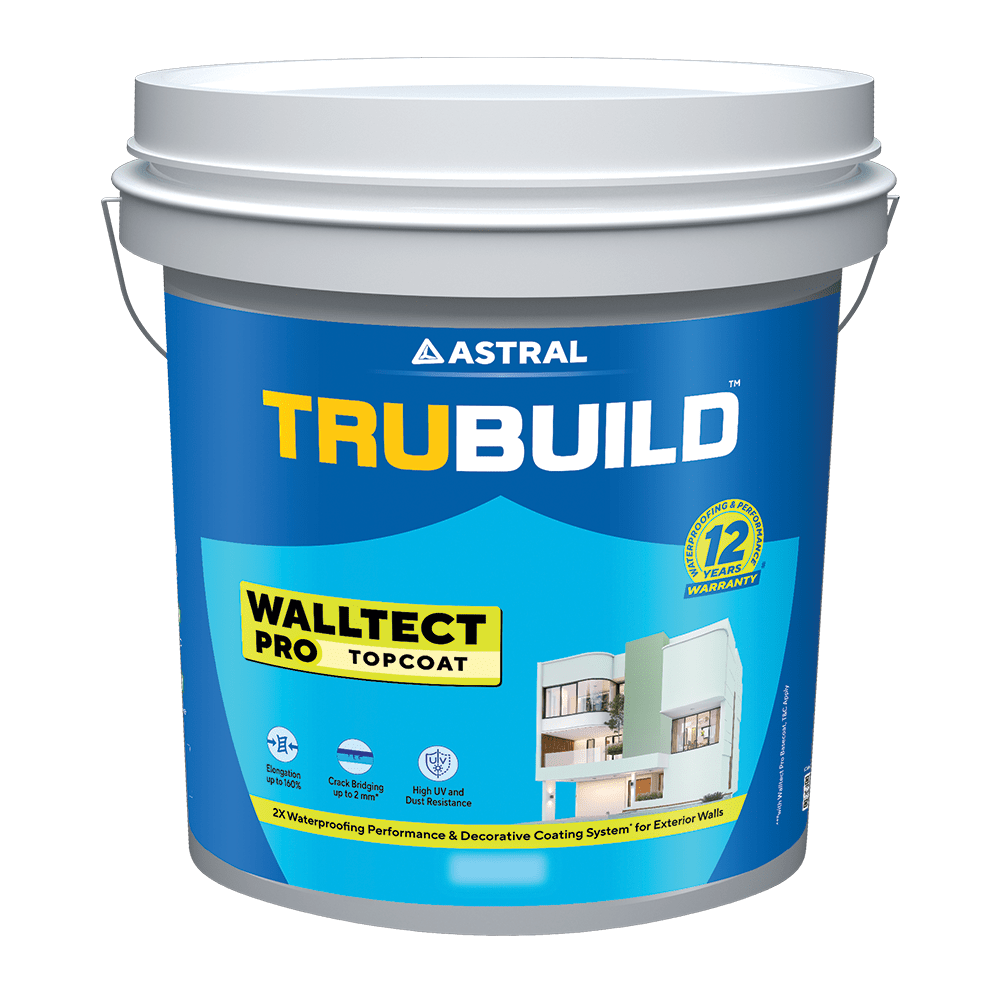
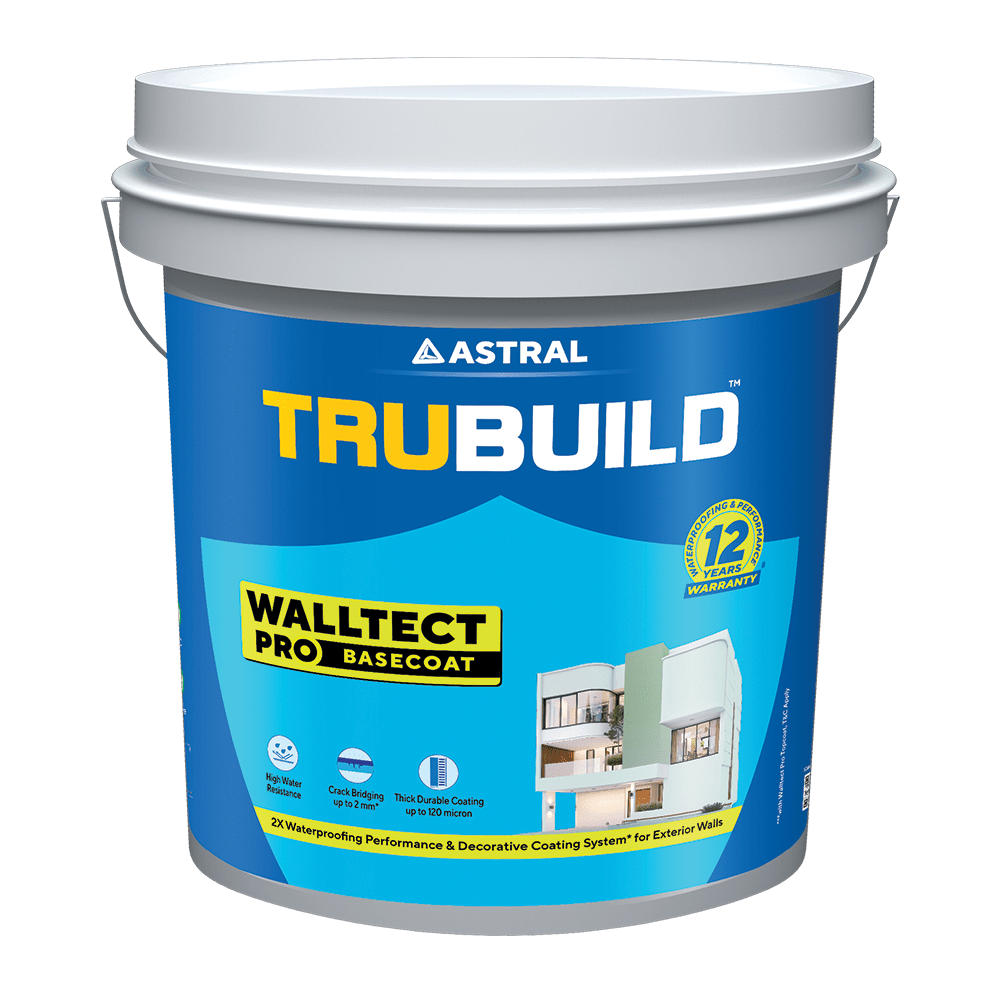
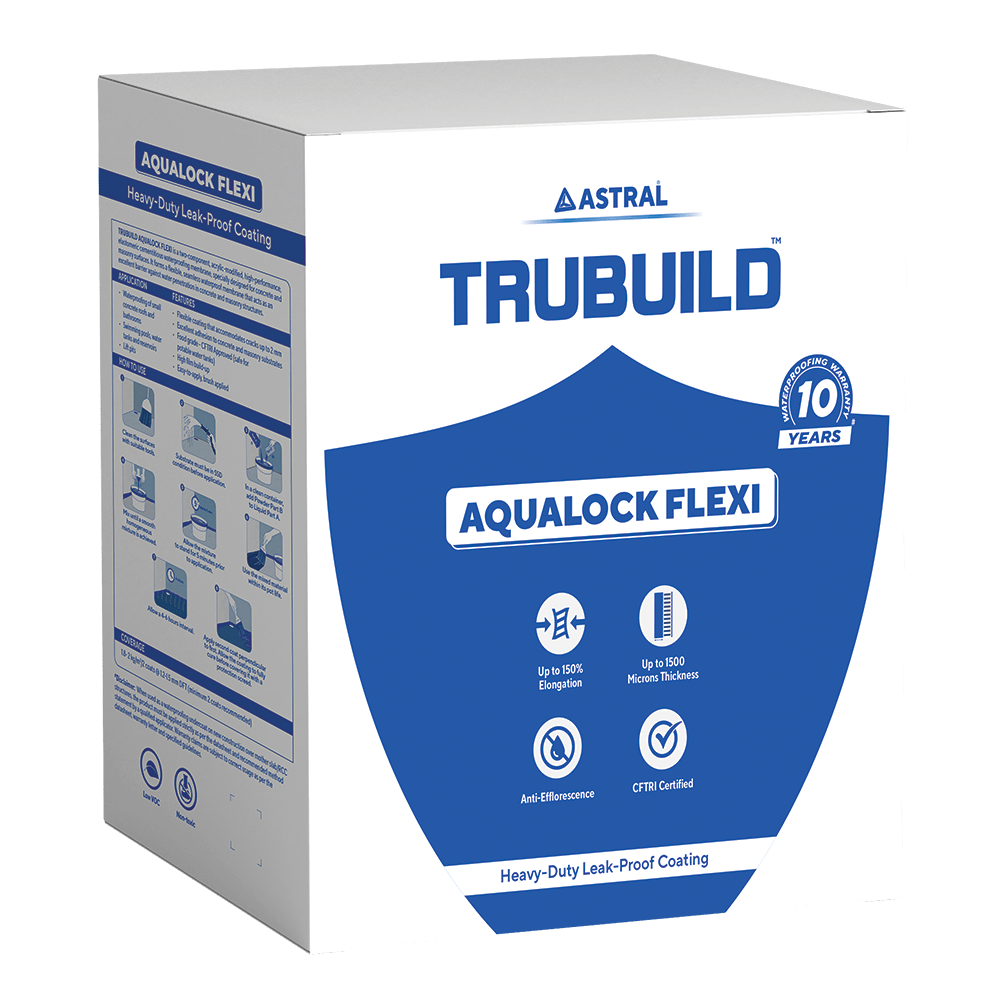
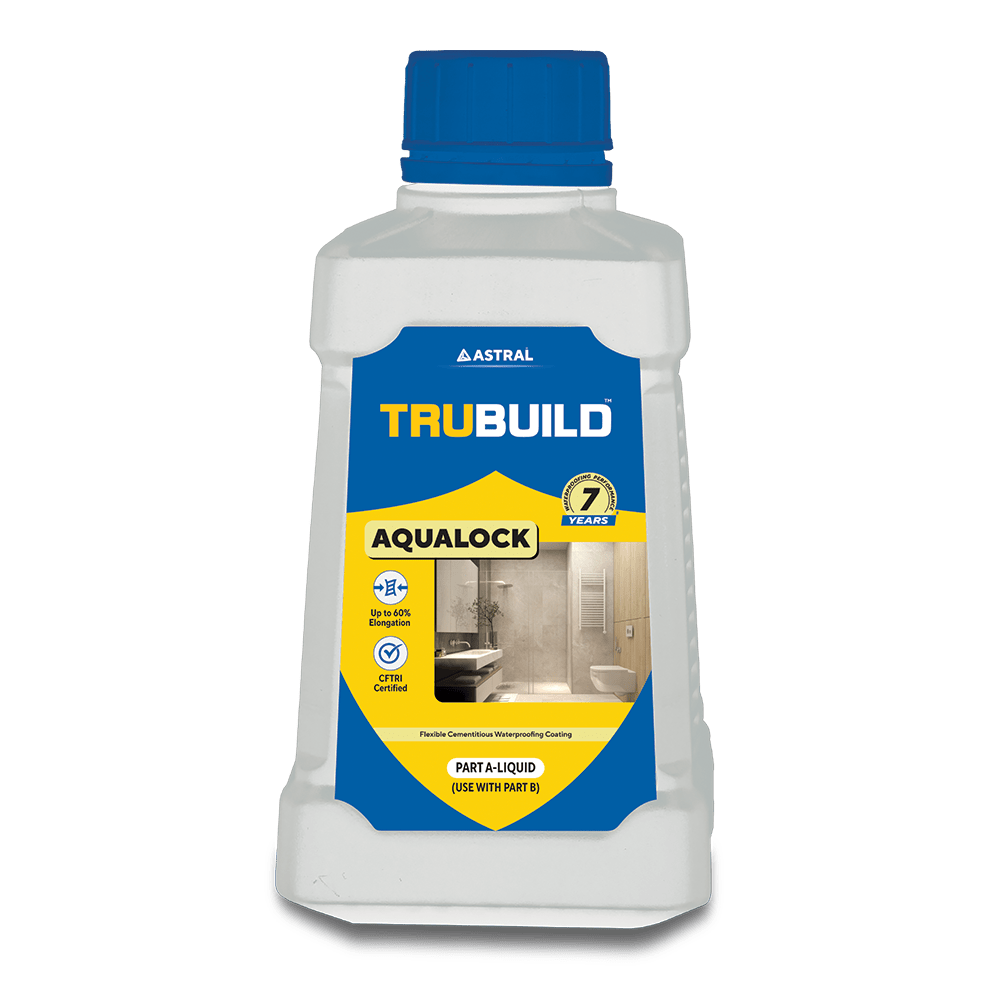
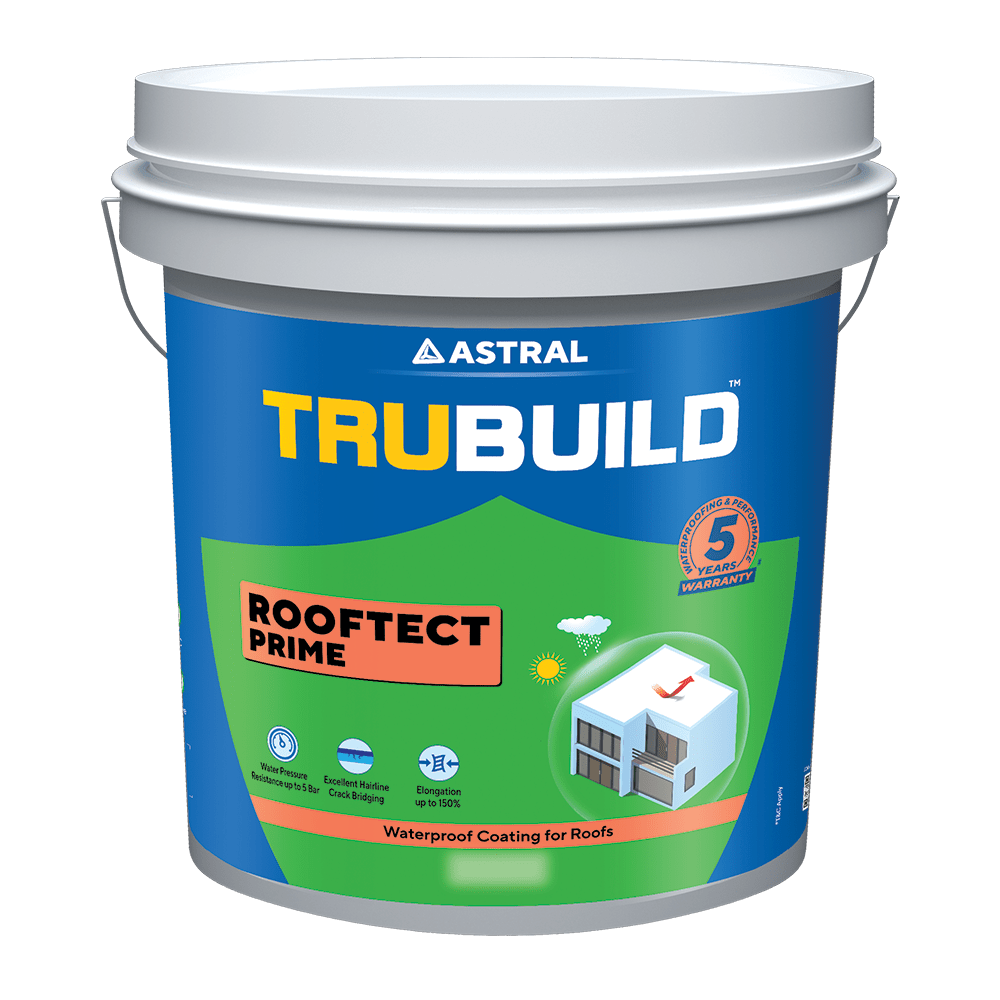
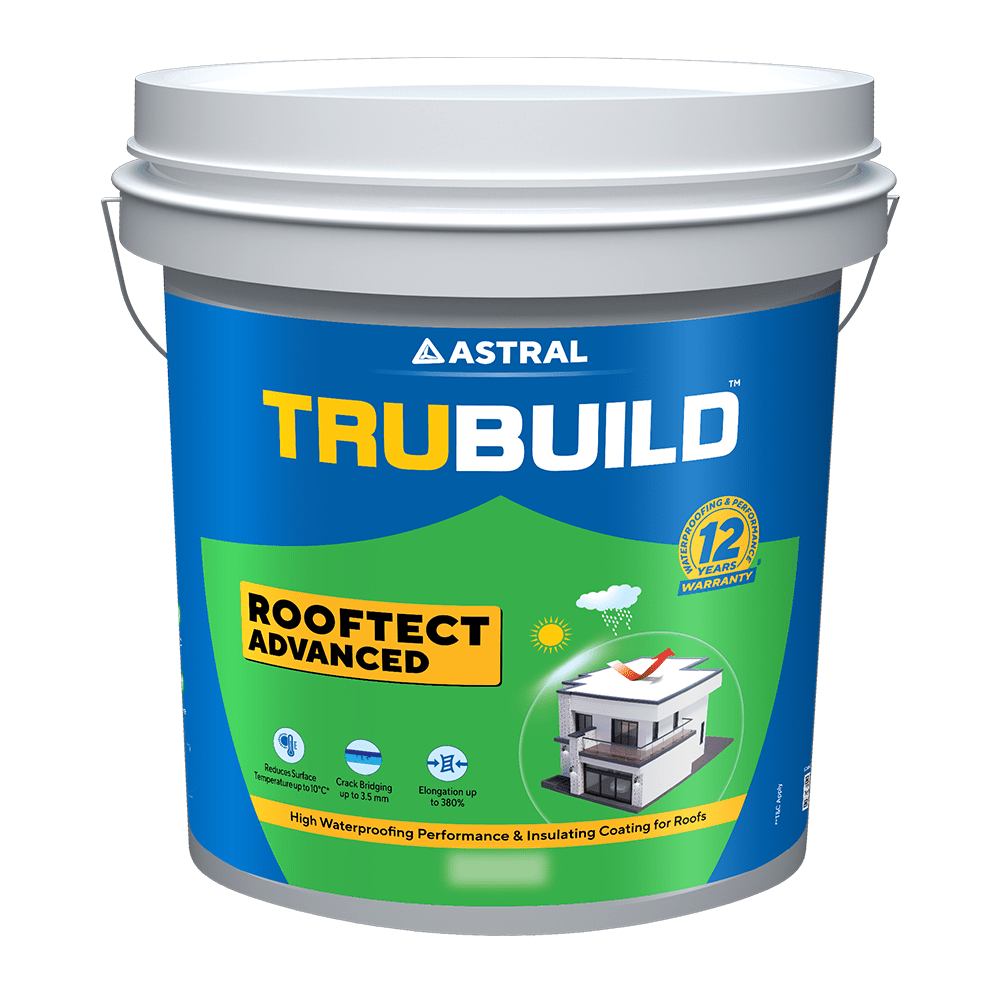
At Astral Trubuild, we are recognised for specialised waterproofing solutions that address different parts of a home. We offer a wide range of products for roofs and terraces, bathrooms and wet areas, basements, external walls and foundations. These products help builders and homeowners create comprehensive waterproofing plans during construction.
Our commercial and home waterproofing products are developed with Indian climatic conditions in mind, such as strong monsoon rain and high sun exposure. Access to technical guidance and product variety means that solutions can be better matched to each area and problem, instead of relying on one generic coating for all needs.
Explore our waterproofing solutions for home waterproofing during construction. Talk to our experts and learn more.
FAQ
When should waterproofing be done in a new home?
Waterproofing should be planned during the design phase and carried out at key construction stages. Foundations, basements and slabs are treated early, while bathrooms, terraces and external walls are waterproofed before tiles, screeds and final finishes are installed.
Which areas in a home need waterproofing during construction?
Priority areas include roofs and terraces, bathrooms and kitchens, basements, external walls, water tanks, balconies and foundations. Each of these zones faces regular contact with water or moisture and benefits from dedicated waterproofing measures.
Can waterproofing mistakes made during construction be repaired later?
Many mistakes can be repaired later through proper diagnosis, crack treatment and targeted waterproofing systems. Repairs often require more effort and may be more disruptive than doing the work correctly at construction stage, so early attention is still the best approach.
What kind of products should be used for home waterproofing?
It is sensible to use tested waterproofing systems designed for specific applications such as roofs, bathrooms, basements and walls, preferably from established brands that offer technical support. Relying only on general paint or basic coatings usually does not give adequate long‑term protection.

