
 Concrete and Mortar
 Exterior Waterproofing
 Professional Sealants
 Roof Waterproofing
 Substructure Waterproofing
  Tiling and Grouting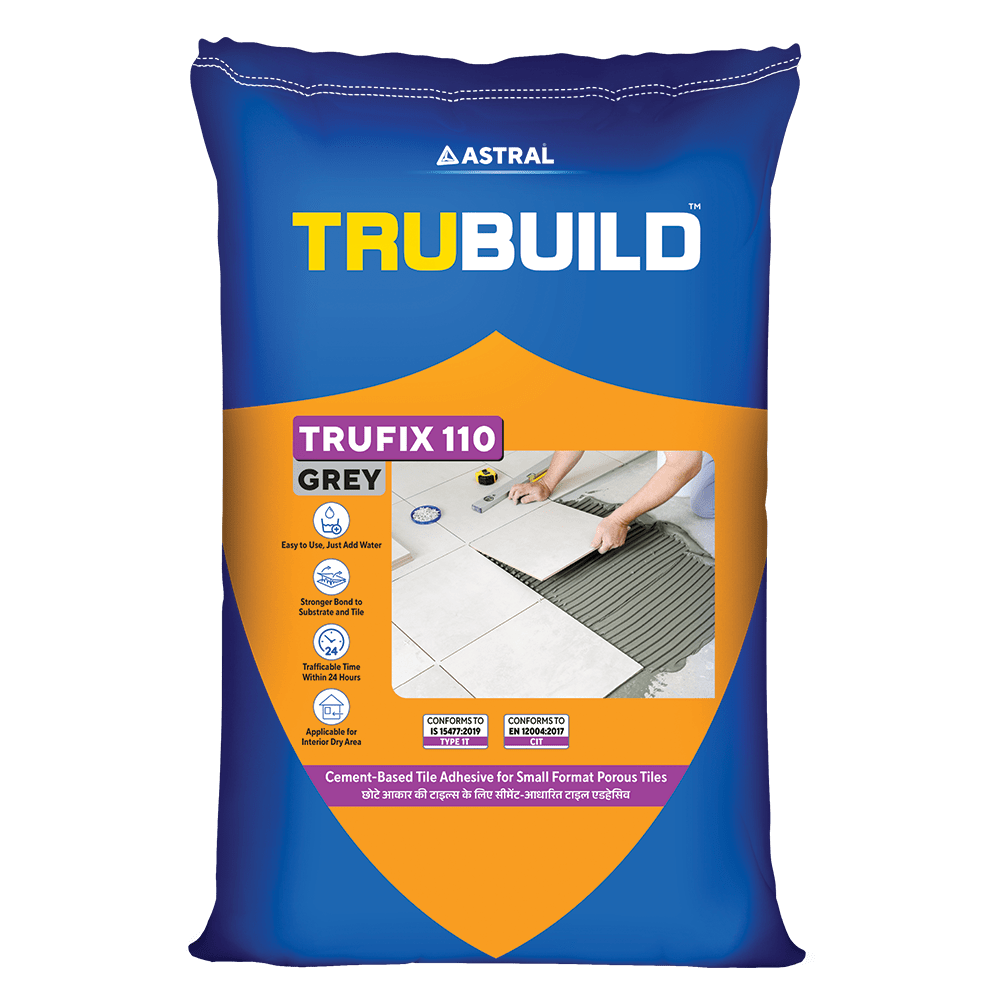
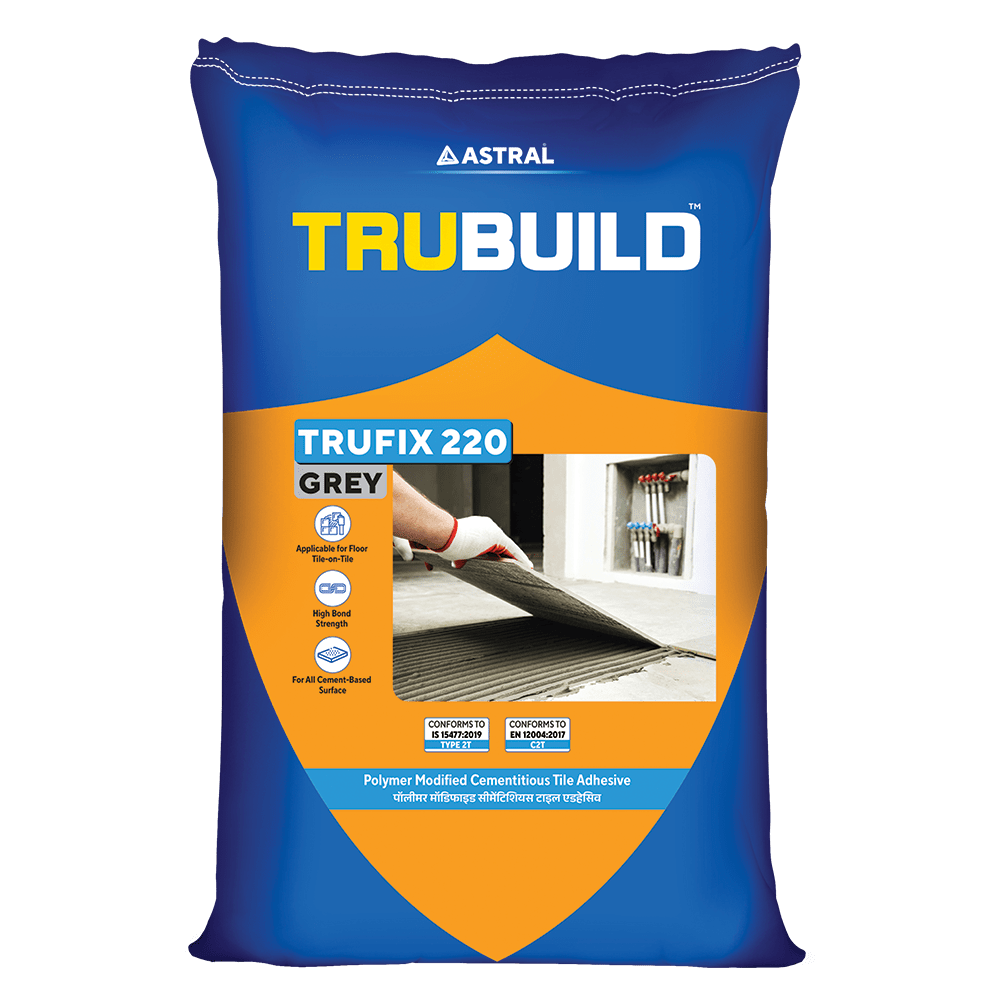
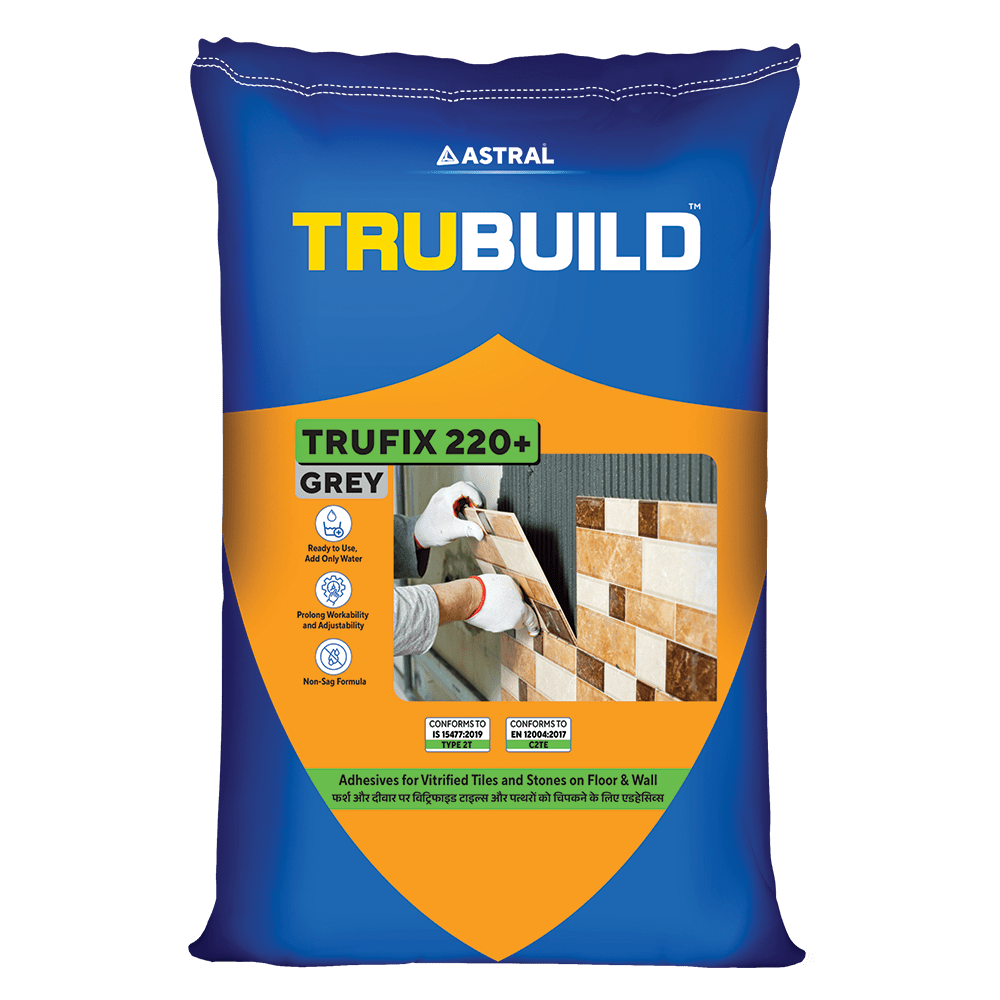
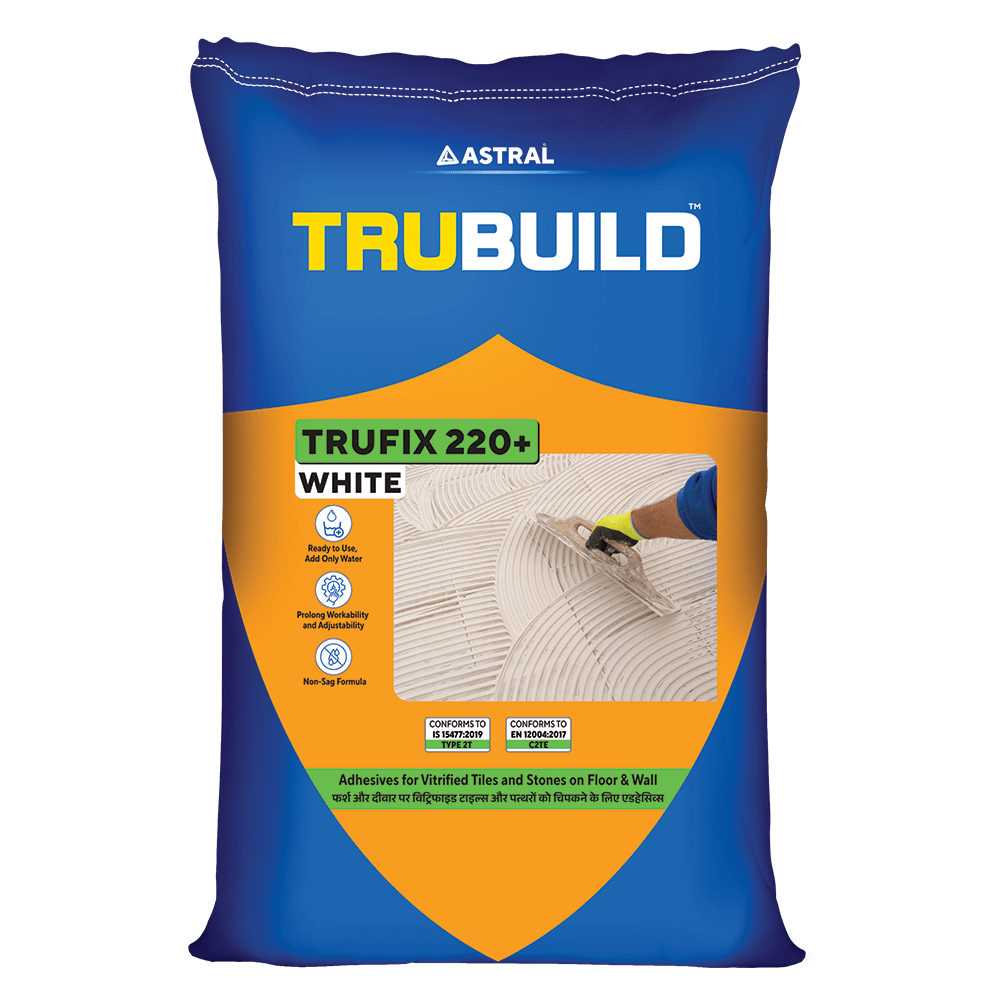
 Water Tanks and Other Areas
  Wet Areas
 Home
Home


| PROPERTIES | STANDARD | RESULTS |
|---|---|---|
| Physical State | Visual | Low Viscous Liquid |
| Appearance | Visual | Opaque |
| Colour | Visual | Milky White |
| pH | IS: 9103:1999 | 7 to 9 |
| Specific Gravity | Approx 1.01 - 1.03 | |
| % Solid | IS:101 (P-8/S-6):1993 | 36 - 40 |
| Compressive Strength | ASTM C 109-2021 | 30-40 N/mm2 |
- It can be used for different concrete repair applications like spalled concrete, floor, columns, beams, slab & parapet, etc
- Also, it can be used for waterproofing of toilets, kitchen, bathroom and terraces
- It can be used as a bond coat and bonding mortar for old to new concrete for tiles & panel, etc
- It can also be used as an additive polymer for cement-based injection grouting
- It can be used for crack filling
- It can be used as anti-corrosive coating for reinforcement
- It is also used for waterproofing of retaining wall, swimming pool & RCC water tanks
FAQ
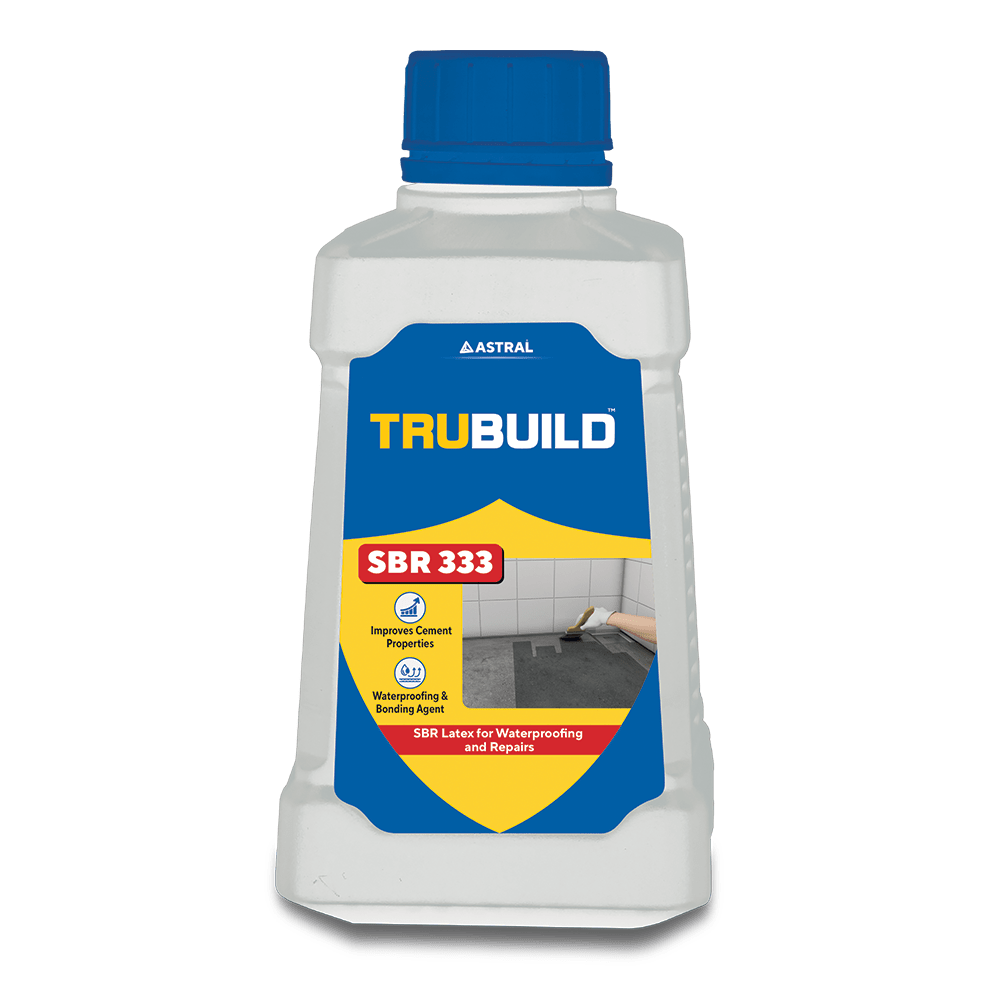
What is Trubuild SBR-333 used for?
Trubuild SBR-333 is an SBR latex admixture used for integral waterproofing and improving the properties of cement-based mixes like concrete, mortar, plaster and repair systems.
How does Trubuild SBR-333 work as a waterproofing agent?
The SBR polymers in Trubuild SBR-333 form a flexible, water-resistant film within the cement matrix that fills capillary pores, reduces permeability, and bridges cracks, making the mix waterproof.
What are the benefits of using SBR latex for waterproofing?
SBR latex waterproofing using admixtures like Trubuild SBR-333 offers enhanced water resistance, improved bonding, increased strength and flexibility, reduced shrinkage cracks, and better durability compared to plain cement mixes.
How is Trubuild SBR-333 added to cement mixes?
Trubuild SBR-333 is used to partially replace the mixing water. It is first added to the gauging water which is then mixed with cement and aggregates to prepare the modified mix.
What is the recommended dosage of Trubuild SBR-333?
The typical dosage of Trubuild SBR-333 is 2-5 liters per 50 kg bag of cement, depending on the specific requirements of the application. Higher dosages provide greater degrees of waterproofing and performance.
Can Trubuild SBR-333 be used for waterproofing bathrooms and toilets?
Yes, Trubuild SBR-333 is ideal for internal waterproofing of wet areas like bathrooms, toilets and kitchens. It can be used in floor screeds, wall plasters, and tile fixing mortars.
Is Trubuild SBR-333 suitable for exterior waterproofing applications?
Trubuild SBR-333 modified cement mixes are recommended for external waterproofing of terraces, balconies, water tanks, swimming pools and exposed walls to prevent water ingress and improve durability.
Can Trubuild SBR-333 be used for repairs and renovation?
Yes, Trubuild SBR-333 is suitable for repair mortars, floor toppings, and re-profiling works where good adhesion, waterproofing, and toughness are required. It enhances the performance of repair systems.
What precautions should be taken while using Trubuild SBR-333?
Ensure proper mixing and curing of Trubuild SBR-333 modified mixes. Protect applied mortars from rapid drying due to direct sunlight or wind. Tools should be washed with water immediately after use.
How does Trubuild SBR-333 waterproofing compare to membrane systems?
SBR latex waterproofing using admixtures like Trubuild SBR-333 provides an integral, in-depth solution that becomes part of the concrete itself. It can be more durable and cost-effective than external membrane systems for many applications.