
 Concrete and Mortar
 Exterior Waterproofing
 Professional Sealants
 Roof Waterproofing
 Substructure Waterproofing
  Tiling and Grouting
 Water Tanks and Other Areas
  Wet Areas

 Home
HomeHow Does Professional Basement Waterproofing Prevent Serious Damage?
Jun 15, 2026

Basements in Indian homes and buildings often sit below ground level, surrounded by soil that holds moisture and groundwater. When water starts entering through walls, joints, or floors, it quietly damages finishes, stored items, and even structural elements. Professional basement waterproofing tackles these weak points in the right way so that basement water leak repair is not temporary and it offers a longer‑term protection strategy.
Why Does Basement Water Damage Happen?
Basement water damage usually begins when soil moisture and groundwater pressure push against bare or poorly protected concrete and masonry. Over time, tiny gaps, honeycombing in concrete, weak joints, and settlement cracks give water a path into the basement. Poor drainage around the building, leaking plumbing lines, and heavy monsoon rains make the problem worse. Without proper basement waterproofing, these small issues turn into visible leaks, damp patches, and recurring seepage.
How Professionals Waterproof Basements?
Inspection
Professionals start with a detailed inspection of the basement, walls, floor, joints, and outside surroundings. They look for damp patterns, active leaks, crack lines, and signs of previous repairs. This helps them identify whether water is coming from groundwater, surface runoff, plumbing, or nearby structures.
Crack repair
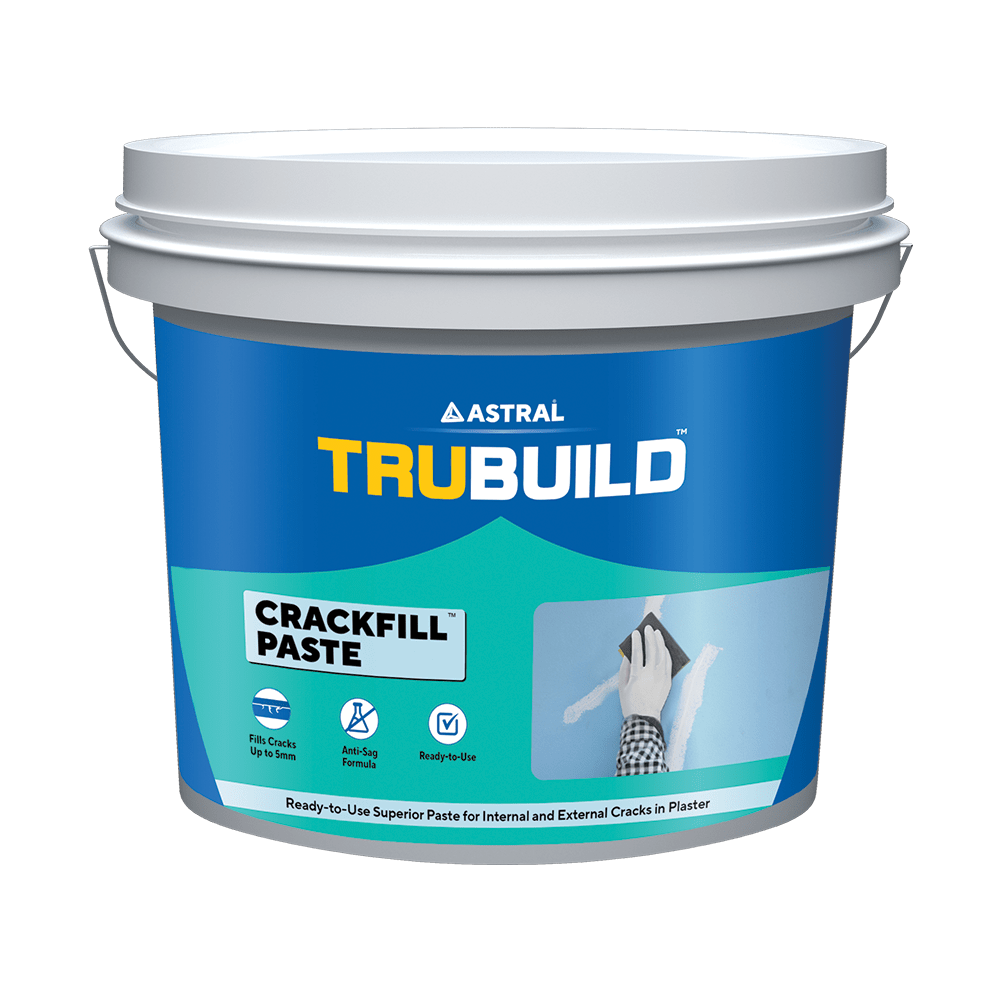
Next, they focus on cracks and weak points. Structural or deep cracks may be treated with specialised injection resins or repair mortars. Minor cracks and surface defects are filled with graded crack fillers. By sealing these water paths, basement water leak repair becomes more reliable and supports further waterproofing measures.
Drainage improvement
Professionals then assess external and internal drainage. They may suggest better grading around the building, adding or clearing drains, and ensuring that rainwater does not stand near basement walls. In some cases, internal channels or sump arrangements are planned to manage unavoidable water in a controlled way.
Waterproof Membranes
Waterproof membranes are applied on critical surfaces to block water entry. These membranes can be sheet‑based or liquid‑applied, depending on design and access. They are usually used on external walls, foundation zones, or internal surfaces facing high pressure. A correctly installed membrane is central to strong basement waterproofing.
Protective Coatings
Finally, protective coatings are added as part of waterproofing basement walls and floors. These may be cementitious, polymer‑modified, or other specialised systems. They help resist moisture, improve durability, and prepare surfaces for finishes. When combined with the earlier steps, they form a complete system rather than a single layer.
Warning Signs Your Basement Needs Waterproofing
Early warning signs often appear months or years before serious water damage.
- If you notice damp patches that keep returning, peeling paint or plaster, white salt stains on walls, musty odour, or mould on stored items, your basement is already telling you that water control is poor.
- Small pools of water after rain, rust on metal fixtures, or swollen wooden shelves strongly indicate that waterproofing basement walls and floors is needed.
Risks of Ignoring Basement Leaks
Ignoring basement leaks can seem convenient in the short term, but it quietly creates bigger problems.
- Persistent dampness supports mould and fungal growth, which affects indoor air quality and can trigger health issues.
- Water can corrode reinforcement, weaken plaster, and damage electrical fittings.
- Over time, repeated basement water leak repair without a proper system becomes a recurring cost.
DIY vs. Professional Basement Waterproofing
DIY methods, such as applying a quick sealer or repainting damp walls, may give short‑term relief but often do not solve deeper causes. They work best for very small, non‑pressurised damp areas.
Professional basement waterproofing, by contrast, involves technical diagnosis, correct material selection, and system‑based application. Experts can handle groundwater pressure, structural cracks, membranes, and drainage in ways that are difficult to achieve with only basic tools and general products.
Long‑Term Maintenance Tips for Basements
- Keep drainage channels and sump pumps clean and working.
- Avoid storing items directly against walls where you cannot see new damp patches forming.
- Inspect corners, joints, and floor‑wall junctions once or twice a year, especially before and after the monsoon.
- If small cracks or stains appear, address them early with suitable repairs instead of waiting for them to develop into significant leaks.
Choose Astral Trubuild’s Solution for Basement Waterproofing
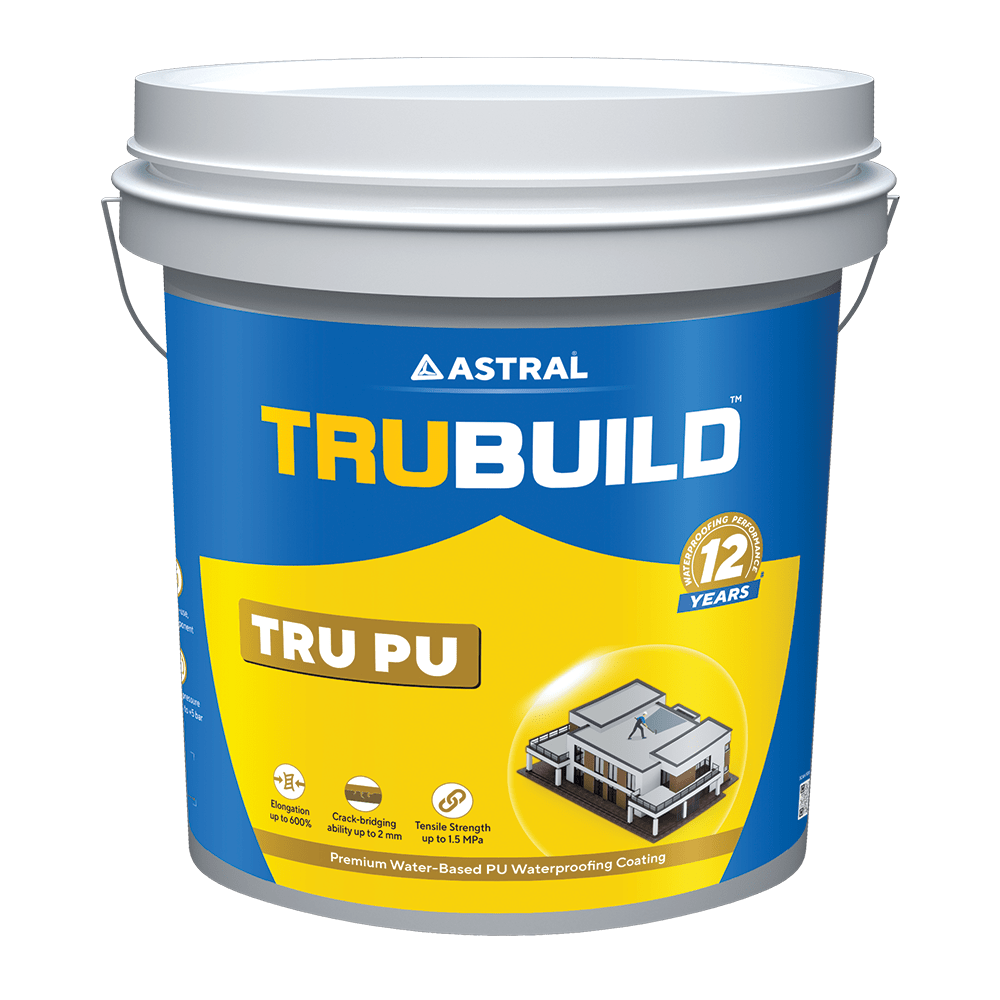
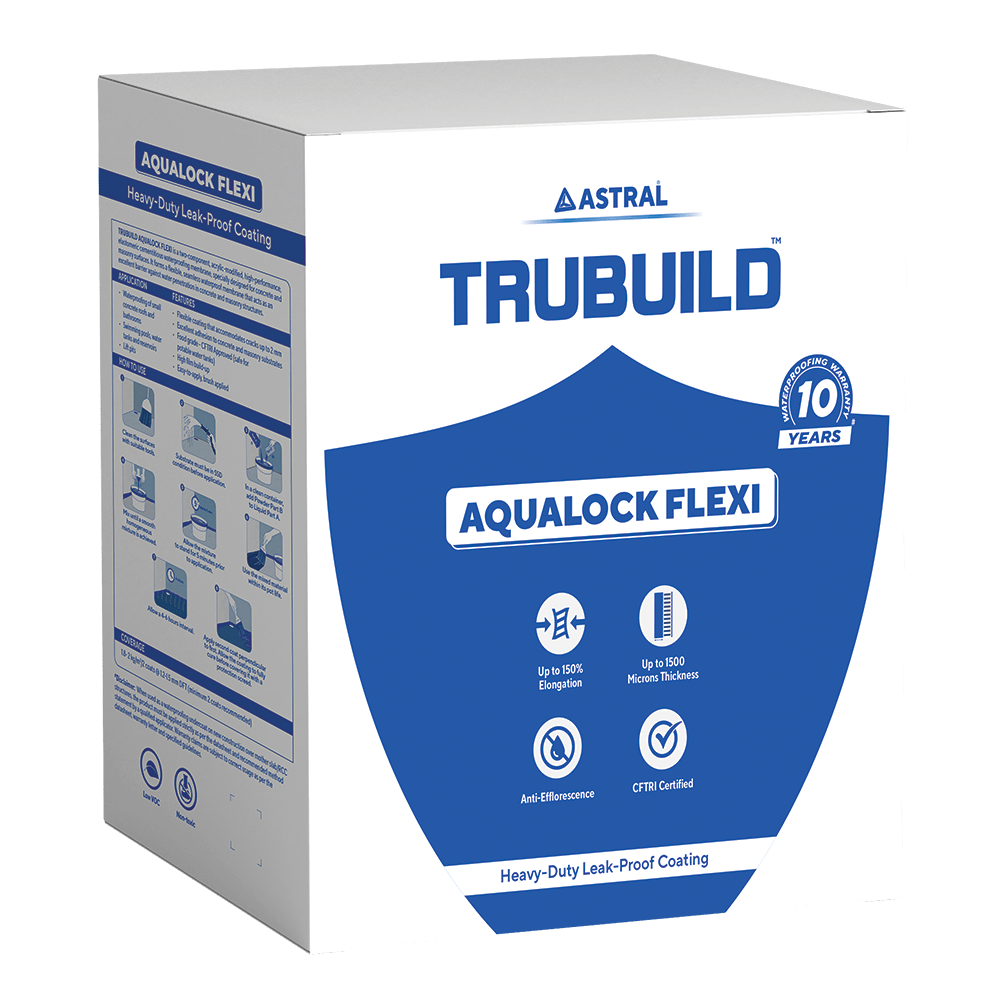
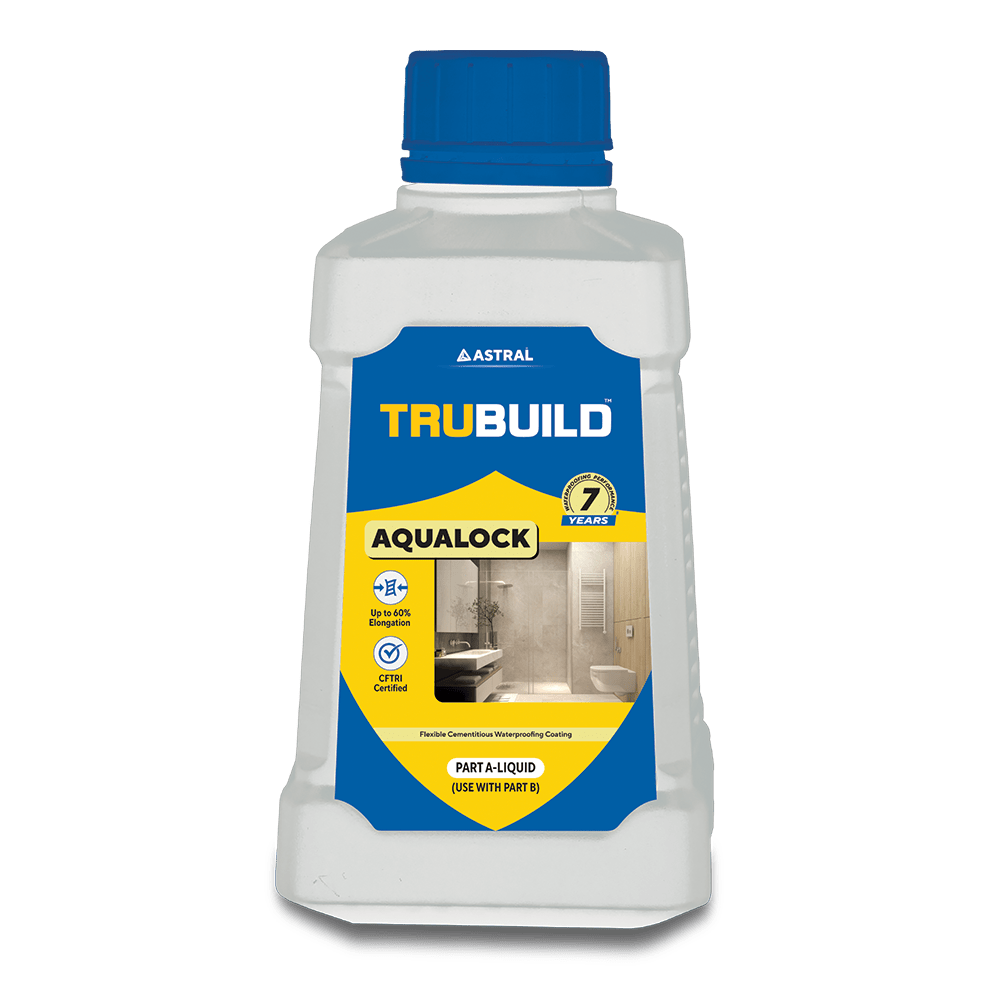
At Astral Trubuild, our Trubuild TRU PU and Aqualock Flexi are suited for basement waterproofing. TRU PU, as a polyurethane system, provides excellent adhesion and resistance to standing water. Aqualock Flexi, as a flexible cementitious waterproofing layer, bonds well with structural concrete and masonry, handles minor movements, and forms a robust barrier against moisture ingress. Used together in a system approach, they help manage leaks, dampness, and long‑term water exposure in basements more effectively than basic coatings.
Explore more such waterproofing solutions for your home, building or commercial spaces at Astral Trubuild.
FAQ
Is professional waterproofing worth it?
Professional waterproofing is usually worth the investment because it treats the cause of leaks through inspection, drainage planning, membranes, and coatings. This reduces repeated repair costs, protects stored items, and helps maintain structural health, which is especially valuable in basements used for parking or storage in Indian cities.
Can basement waterproofing stop mould?
Effective basement waterproofing controls water entry and reduces persistent dampness, which limits mould growth. When combined with proper ventilation, cleaning, and removal of already damaged materials, it significantly cuts the chances of mould returning. Water control is the foundation for any lasting mould management in basements.
How long does it last?
The life of basement waterproofing depends on method, materials, workmanship, and site conditions. Well‑planned systems with membranes, coatings, and good drainage can serve for many years. Periodic inspection and small maintenance works, such as crack touch‑ups, help these systems perform closer to their intended design life.
What is the best basement waterproofing method?
There is no single best method for every basement. New construction often benefits from external membranes and proper drainage, while existing basements may need internal coatings, crack repair, and targeted leak treatment. The most effective approach is usually a tailored system based on thorough inspection and professional design.
