
 Concrete and Mortar
 Exterior Waterproofing
 Professional Sealants
 Roof Waterproofing
 Substructure Waterproofing
  Tiling and Grouting
 Water Tanks and Other Areas
  Wet Areas

 Home
HomeHow to Waterproof a Bathroom Floor Without Removing Tiles?
Jun 8, 2026

For many Indian homes and apartments, a leaking bathroom leads to problems like damp patches, peeling paint or mould in the ceiling below. Removing all tiles for waterproofing feels disruptive and expensive, especially in occupied homes. As a result, many owners look for waterproofing bathroom without removing tiles and want to know if this approach truly works.
This guide explains why bathroom floors start leaking and how waterproofing can be done on existing tiles.
Why Do Bathroom Floors Start Leaking?
Bathroom floors are exposed to water every day. Over time, leakage usually starts for a few simple reasons.
Common causes include:
- Gaps in tile grout and joints that allow water to pass through
- Weak or missing waterproofing below the tiles in older constructions
- Cracks in the substrate or at wall‑floor junctions
- Loose or hollow tiles that break the surface continuity
- Damaged sealant around fixtures such as floor traps and drains
If water reaches the slab and small voids below the tiles, it can travel sideways and show up as stains or damp areas away from the visible wet zone. In multi‑storey buildings, this often appears as round patches or streaks on the ceiling below.
Can Bathroom Waterproofing Be Done Without Removing Tiles?
Bathroom waterproofing can be done without removing tiles in many cases, as long as the surface is largely sound and the leakage is not due to severe structural cracks or failed plumbing lines. This method relies on clear or translucent waterproof coatings over tiles and careful joint and crack treatment.
A typical system for waterproofing bathroom floors without removing tiles includes:
- Cleaning the tile surface and grout lines
- Filling visible cracks and defects
- Applying a transparent or thin film waterproof coating suitable for bathrooms
- Sealing joints, corners and penetrations with compatible sealants
This approach to waterproof bathroom tiles reduces the need for demolition and keeps the bathroom usable more quickly than full tile removal, which suits many occupied homes and flats.
Signs Your Bathroom Needs Waterproofing
Early signs that a bathroom needs waterproofing are often visible outside the bathroom rather than inside.
Key indicators include:
- Damp patches or stains on the ceiling below the bathroom
- Paint peeling or bubbling near the bathroom wall in adjoining rooms
- Musty smell or mould growth around corners or near skirting
- Loose or hollow‑sounding tiles on the bathroom floor
- Water collecting near wall‑floor junctions instead of draining smoothly
Inside the bathroom, dark grout lines, cracked joints and small gaps around drains and fixtures are clear hints that waterproofing is weak. When these signs appear, an area‑focused solution is more practical than waiting for a major leak.
Step‑by‑step Waterproofing Process
Waterproofing an existing bathroom floor without removing tiles follows a planned sequence. The steps below outline a typical process that a professional applicator may use.
Inspection
- Identify the source of dampness and confirm that major plumbing leaks are not the primary cause.
- Check the condition of tiles, grout and wall‑floor junctions.
- Mark hollow tiles and visible cracks that need special attention.
Cleaning
- Clean the floor and lower wall tiles with a suitable cleaner to remove soap scum, oils and loose dirt.
- Open dirty grout lines and corners where possible so that the waterproof coating can bond better.
- Allow the area to dry fully before moving ahead.
Crack Filling
- Fill visible cracks in grout and at joints with appropriate repair materials or sealants.
- Treat hollow tiles or broken pieces by stabilising or replacing them if necessary.
- Prepare the surface so that it is continuous and ready for coating.
Transparent Waterproof Coating
- Apply a clear or translucent waterproof coating on the floor and lower wall tiles according to product instructions.
- Use multiple coats if required to build an effective film over the surface.
- Focus on the area around drains, corners and wall‑floor junctions, where water tends to collect.
Joint Sealing
- Seal joints at wall‑floor intersections and around fixtures with compatible sealants.
- Inspect the entire floor once more for missed areas or weak spots.
- Allow the system to cure as recommended before exposing it to regular use.
When done correctly, this process can improve waterproofing in bathrooms without the mess of removing tiles, especially in homes where occupants prefer quick, clean solutions.
Best Waterproofing Products for Existing Bathrooms
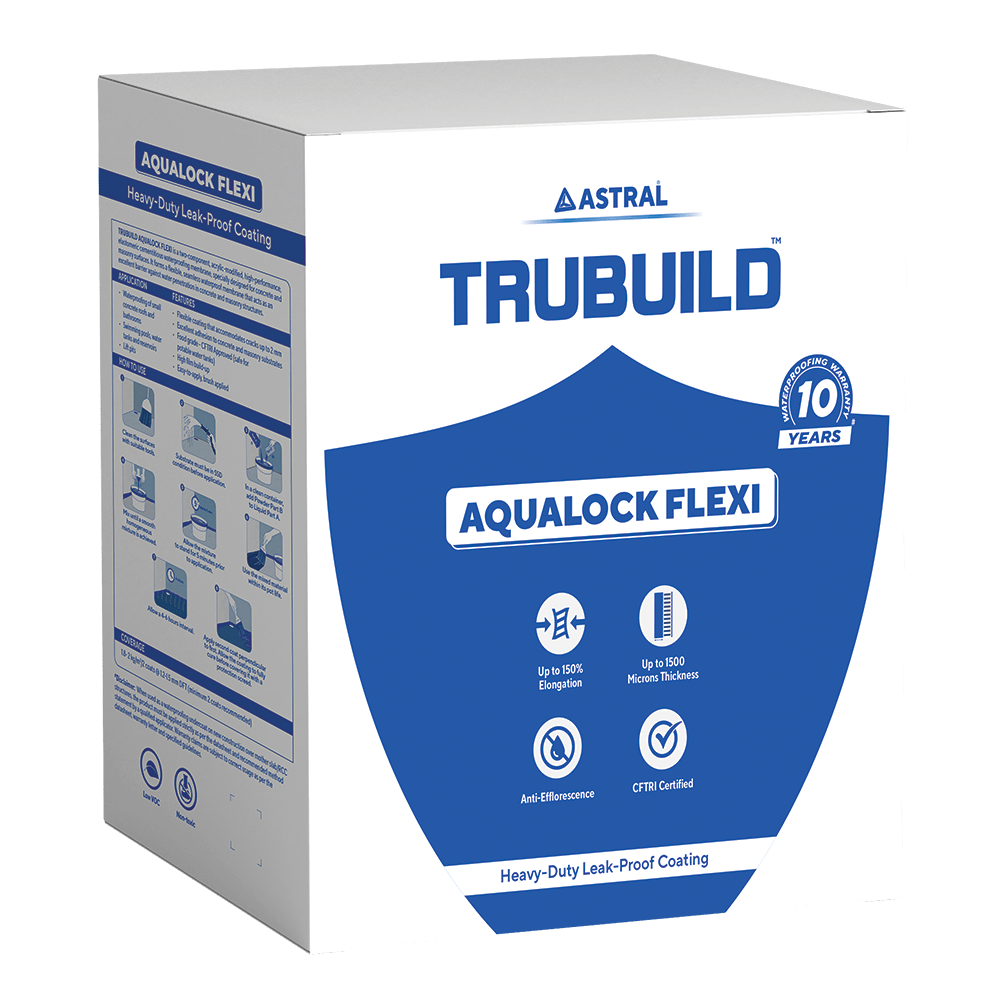
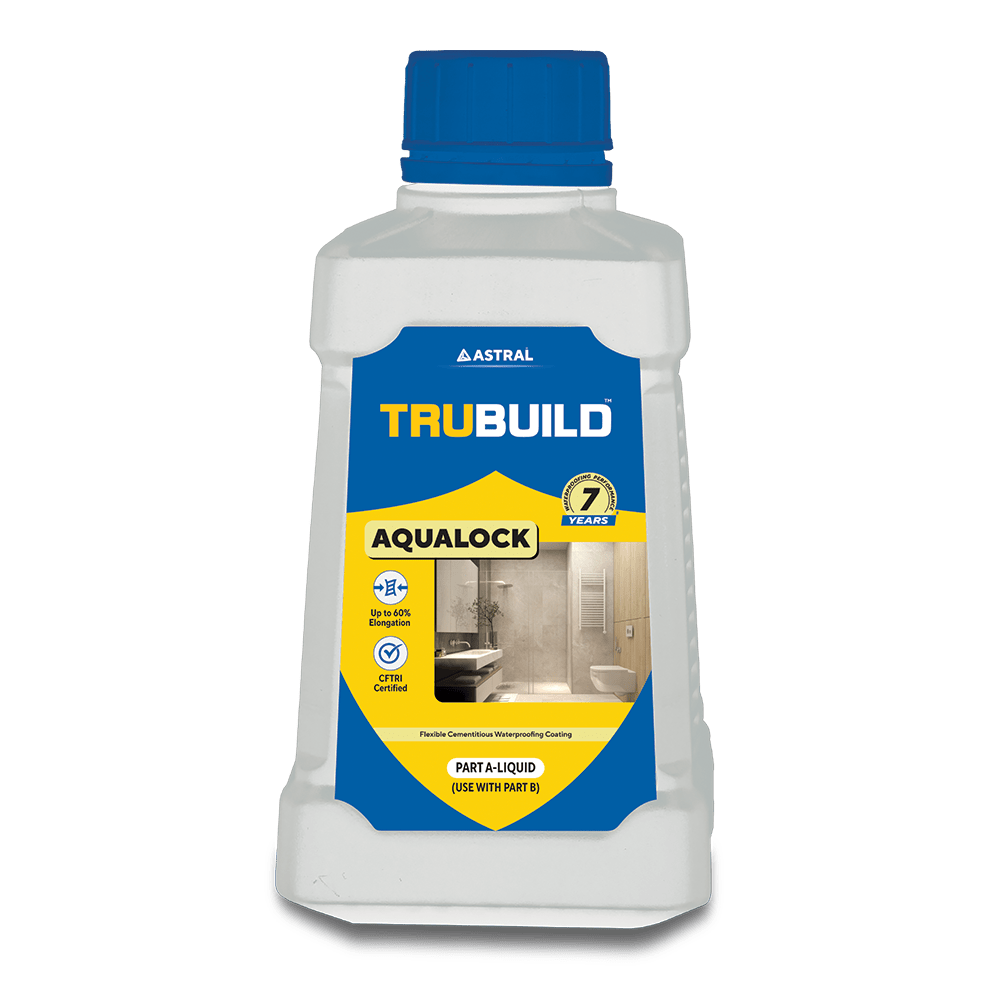
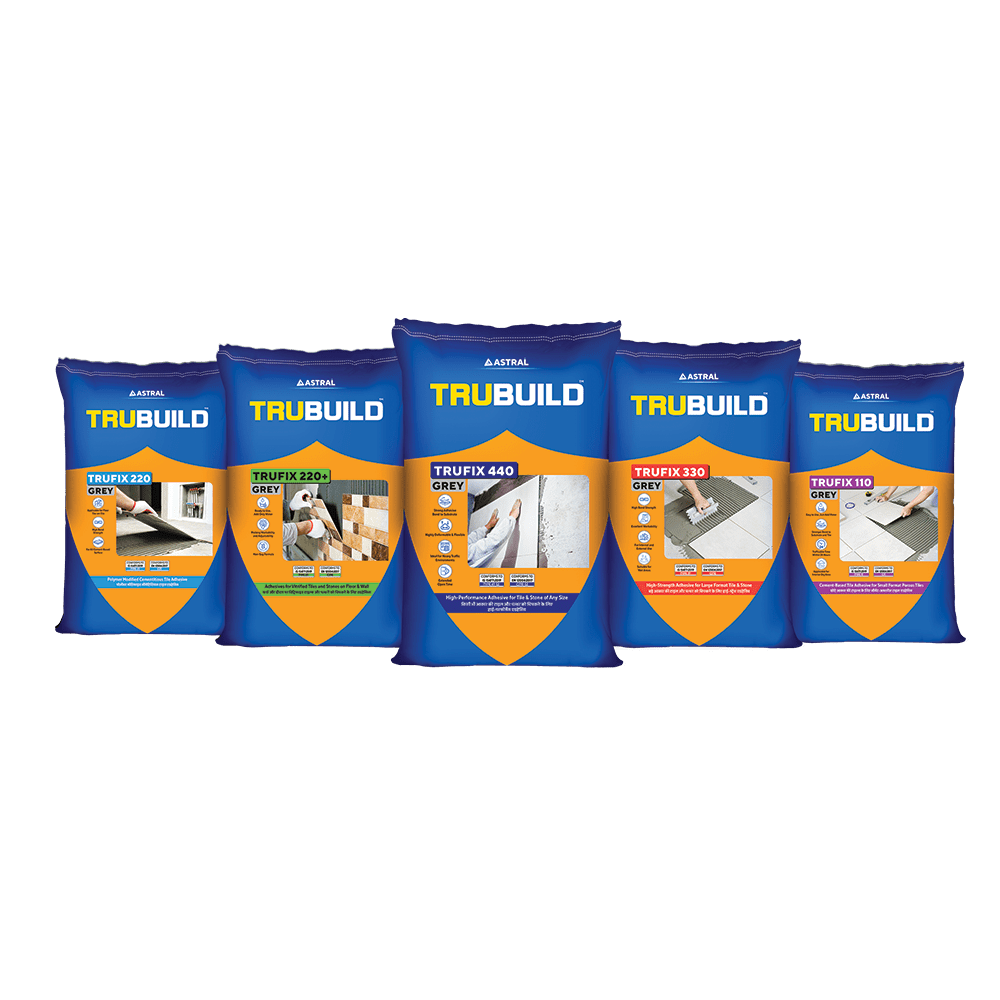
For existing bathrooms where tiles stay in place, waterproofing products need to work as clear coatings and joint treatment systems rather than under‑tile membranes. In such scenarios, Astral Trubuild solutions such as Trufix 110 and Trubuild Stylo Cem can be used as part of a bathroom waterproofing system over tiles. These types of products are designed to form protective films or coatings, help to waterproof bathroom tiles and improve resistance to water penetration at the surface.
When planning to waterproofing bathroom without removing tiles, it is important to choose products that adhere well to ceramic or vitrified tiles, resist water and cleaning chemicals, and remain durable under daily use. Pairing transparent coatings with proper joint sealing makes the system more effective.
When Tile Removal Becomes Necessary
Waterproofing bathroom floors without removing tiles is not suitable in every case. There are situations where tile removal becomes necessary.
Tile removal is usually recommended when:
- Many tiles are loose, cracked or hollow and can no longer provide a stable surface
- The original waterproofing layer below the tiles has failed extensively
- Structural cracks in the slab need repair at substrate level
- Severe plumbing leaks require access to concealed pipes
In these cases, a full system that includes substrate repair, under‑tile waterproofing and fresh tiling offers more reliable long‑term performance. Waterproofing without removing tiles is best seen as a practical solution for bathrooms with generally sound finishes and localised leakage.
Tips to Increase Waterproofing Life
Once bathroom waterproofing is complete, a few simple habits help increase its service life.
Useful tips include:
- Avoid using harsh mechanical scrubbing that can damage coating films and grout
- Clean the bathroom regularly with mild cleaners suited to treated surfaces
- Do not ignore small cracks or damaged joints; repair them early
- Keep floor traps and drains free of blockages so that water does not stand for long periods
- Schedule periodic inspections, especially before monsoon, for bathrooms located above living rooms or important areas
Also Read : Waterproofing Solutions: A Comprehensive Guide
With these practices, waterproofing bathroom floors without removing tiles can remain effective for longer and reduce the chance of recurring leakage.
FAQ
Does waterproofing without removing tiles work?
Waterproofing bathroom floors without removing tiles can work well when the tiles are largely sound, plumbing lines are healthy and suitable coatings and joint treatments are used. It is a practical option for many occupied homes and apartments.
How long does it last?
The life of waterproofing over tiles depends on product quality, application method and daily use. With good surface preparation, suitable coatings and regular care, it can protect for several years before touch‑ups are needed.
Is it expensive?
This method is generally more economical than full tile removal and retiling, as it avoids demolition and major reconstruction. Cost varies by bathroom size, product selection and the extent of repair work needed.
Can I waterproof bathroom walls too?
Yes. Transparent or thin film waterproofing systems can be applied on lower wall tiles and critical splash zones, along with floor treatment. This helps reduce water penetration through vertical surfaces as well.
Which coating is best?
The best coating is one designed for bathroom use, with strong adhesion to tiles, resistance to water and cleaning agents, and suitability for clear application. It is advisable to select systems backed by technical data and guidance, such as those offered by Astral Trubuild.

