
 Concrete and Mortar
 Exterior Waterproofing
 Professional Sealants
 Roof Waterproofing
 Substructure Waterproofing
  Tiling and Grouting
 Water Tanks and Other Areas
  Wet Areas

 Home
HomeCementitious Waterproofing for Roofs: Benefits and Application Guide
Apr 18, 2026
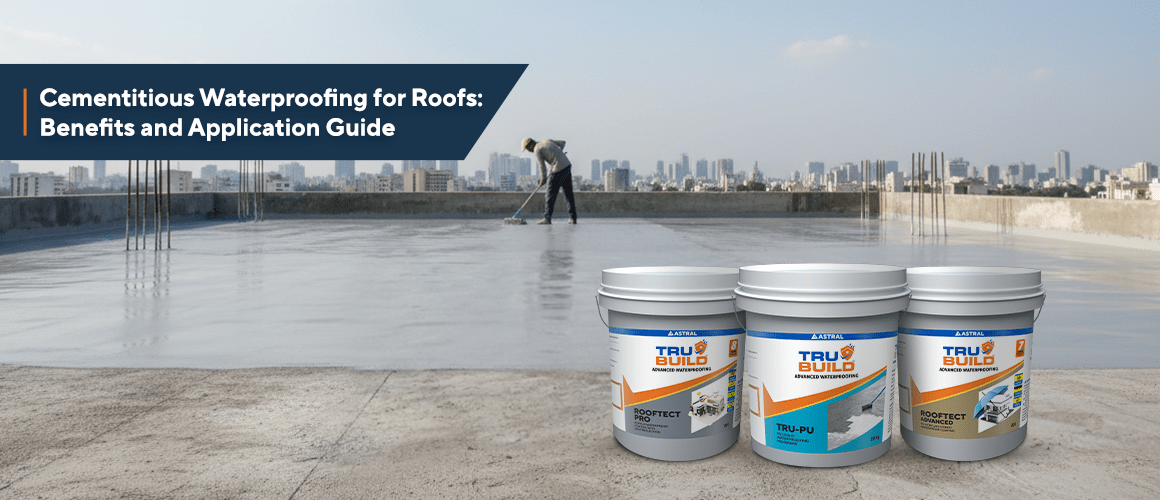
Every year, thousands of Indian homeowners watch their ceilings stain and their walls dampen, all because of a roof that was not properly sealed. Before the monsoon arrives, one question keeps coming up: which waterproofing method actually works on concrete roofs? Cementitious waterproofing is one of the most trusted roof waterproofing solutions in India, and for good reason. It bonds well with concrete, goes on easily and delivers reliable protection season after season. This guide covers what it is, why it works and how to apply it correctly.
What is Cementitious Waterproofing?
Cementitious waterproofing is a coating made from cement-based materials mixed with acrylic polymers and additives. When applied to a concrete roof, it forms a seamless, flexible membrane that blocks water from seeping through. Think of it as a protective skin over your concrete slab. Unlike paint, it bonds directly to the substrate rather than just sitting on the surface. This makes it especially well-suited as a roof waterproofing solution for the damp, high-rainfall conditions common across India.
What are the Benefits of Cementitious Waterproofing Solutions for Roofs?
1. Easy Application
Cementitious coatings can be applied with a brush or trowel. No specialist equipment is required and the process is straightforward enough for skilled applicators to carry out on-site.
2. Cost-Effective Solution
Compared to membrane-based or polyurethane systems, cementitious waterproofing tends to cost less per square metre.
3. Strong Bonding with Concrete
Cement-based coatings have a natural affinity with concrete and masonry. They do not peel or delaminate the way some paint-based products do.
4. Durable and Long-Lasting
High-quality cementitious systems can protect a roof for many years when applied correctly and maintained well.
5. Safe and Non-Toxic
Water-based cementitious coatings are free from Volatile Organic Compounds (VOCs).
How to Apply Cementitious Roof Waterproofing Per Application?
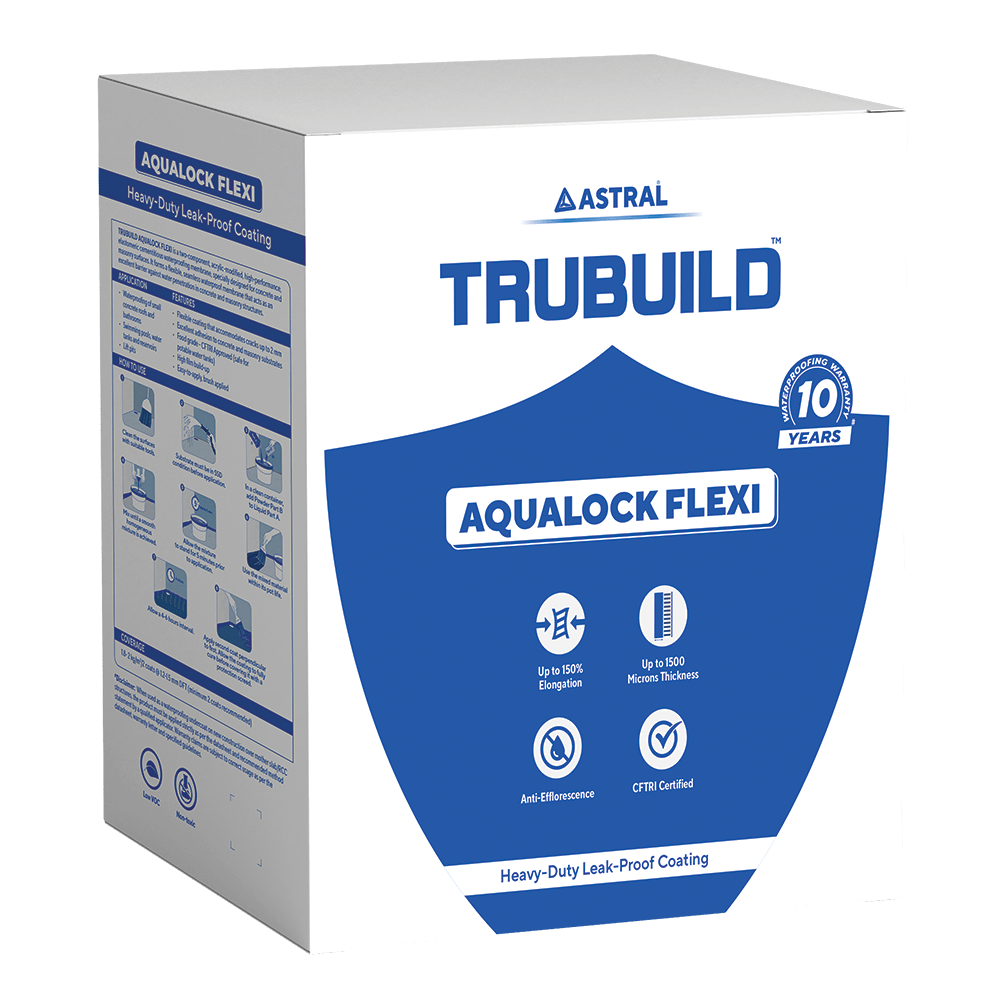
Getting the application right is just as important as choosing the right product. Follow these steps for the best results when using Trubuild Aqualock Flexi as your roof waterproofing solution.
Step 1: Surface Preparation
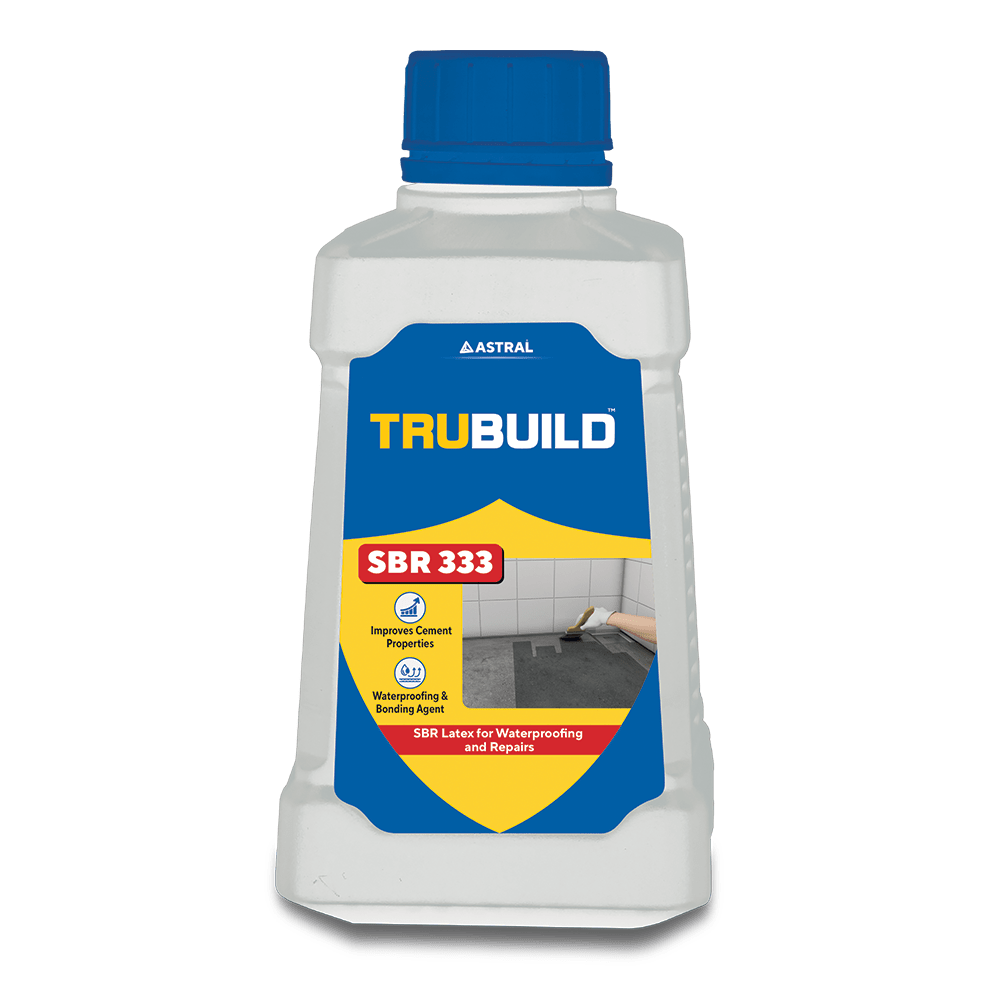
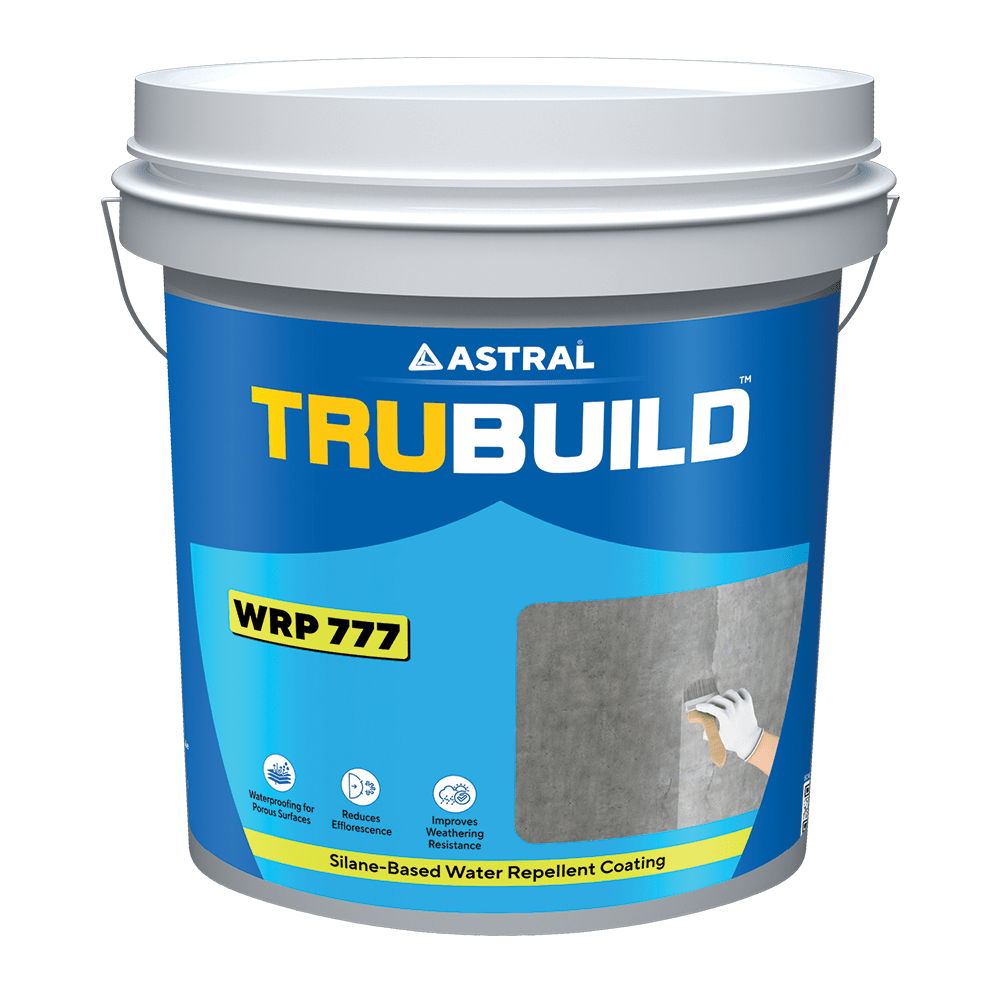
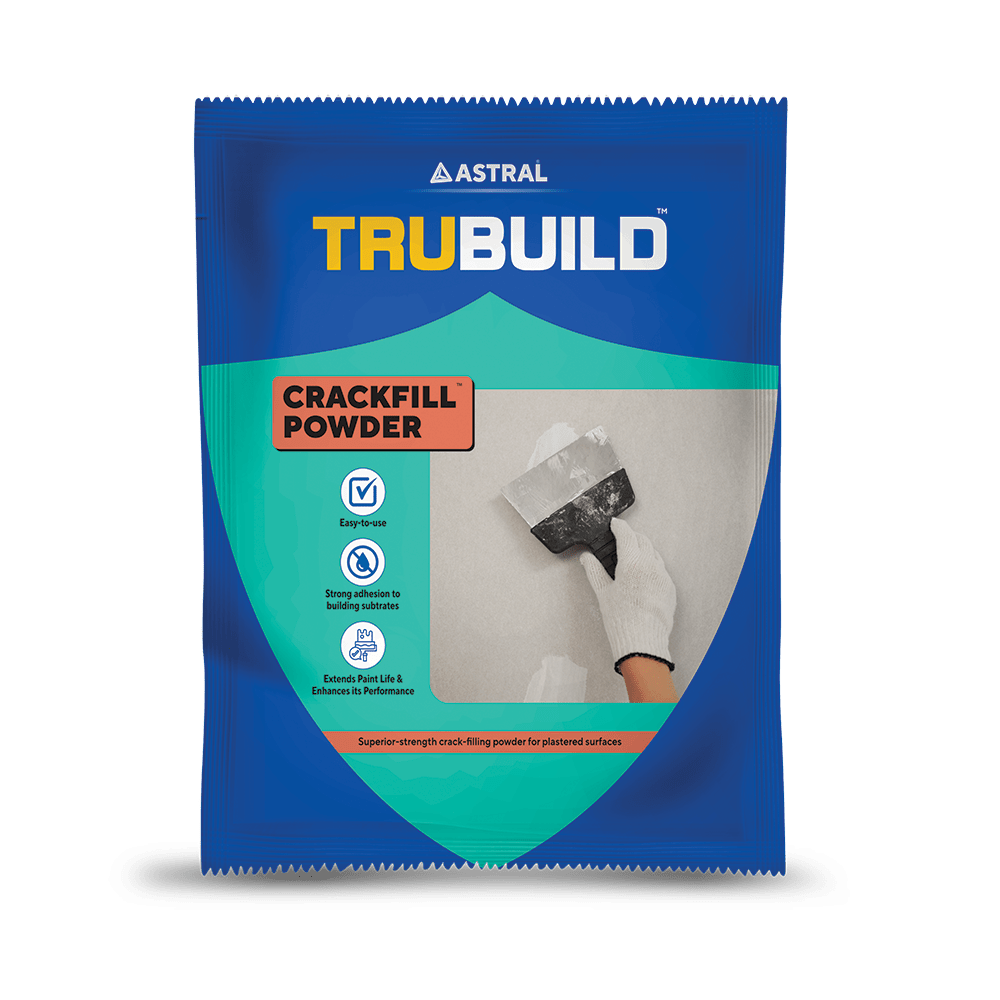
Remove all dust, oil, grease, loose material and old coatings from the roof. Any spalled concrete must be cut back and repaired using Trubuild Non-Shrink Grout HS. Fill cracks up to 5 mm by cutting a V-groove and packing it with Trubuild CFP 425. For cracks larger than 5 mm, use a polymer-modified mortar made with Trubuild WPL 333 or Trubuild BWP 222. At wall-to-slab junctions, apply a coved fillet using the same mortar to maintain continuity of the waterproofing layer. Once repairs are done, dampen the surface, but with no standing water.
Step 2: Mixing the Material
Slowly add Part B powder into Part A liquid in a clean container and mix until the slurry is smooth and lump-free. Allow the mixture to rest for 5 to 6 minutes so any trapped air can escape. Use the mixed material within the pot life recommended on the product label. Do not add water to the mix under any circumstances.
Step 3: Application
Apply the first coat of Trubuild Aqualock Flexi by brush or trowel at a coverage rate of approximately 1.8 to 2 kg/m² for two coats to achieve a dry film thickness of 1.2 to 1.5 mm. Allow the first coat to cure for at least 4 to 6 hours before applying the second coat in the opposite direction. In areas exposed to heavy water load or severe penetration, a third coat may be needed. After the second coat, sprinkle coarse sand over the surface to create a mechanical key for any protective screed or tile work to follow.
Step 4: Curing
After the second coat, allow the surface to air cure for at least 5 to 6 hours. Follow this with moist curing by sprinkling water for 24 hours. Then allow 3 to 5 days of air curing before laying any screed on top. Do not conduct a ponding or flood test for at least 7 days after application.
Cementitious vs. Other Roof Waterproofing Solutions
Here is a quick comparison to help you understand where cementitious waterproofing fits:
| Factor | Cementitious | Acrylic Coating (e.g. Rooftect Pro) | PU / PU Acrylate (e.g. TRU PU / Rooftect Advanced) |
| Application | Brush or trowel, easy on-site | Brush or roller, single component | Brush or roller, single component |
| Bonding with concrete | Excellent, cement chemistry | Good | Good to excellent |
| Flexibility | Moderate to good (150%+ elongation with premium products) | Very high (up to 350% elongation) | Very high (≥220% elongation) |
| Heat reflection | No | Yes (reduces surface temperature up to 10°C) | Yes (reduces surface temperature up to 10°C) |
| Suitable for a damp substrate | Yes (SSD condition ideal) | No (dry substrate required) | No (dry substrate required) |
| Best suited for | Flat RCC roofs, water tanks, wet areas | Roof rehabilitation, heat-prone terraces | New roofs, terraces needing high elasticity |
How to Choose the Right Waterproofing Solution for Your Roof?
The right waterproofing solutions for roof depend on your roof type, its current condition and the specific problems you face. Here is a practical guide:
- Flat RCC roof with minor seepage or a new slab: Trubuild Aqualock Flexi is an excellent choice. It bonds directly to concrete, handles positive and negative hydrostatic pressure (the force of water pushing against the surface from either side), and can be applied to a damp substrate.
- Older roof with heat stress and hairline cracks: Trubuild Rooftect Pro or Rooftect Advanced are better suited. Both use acrylic or PU-acrylate chemistry and deliver crack-bridging up to 2 mm.
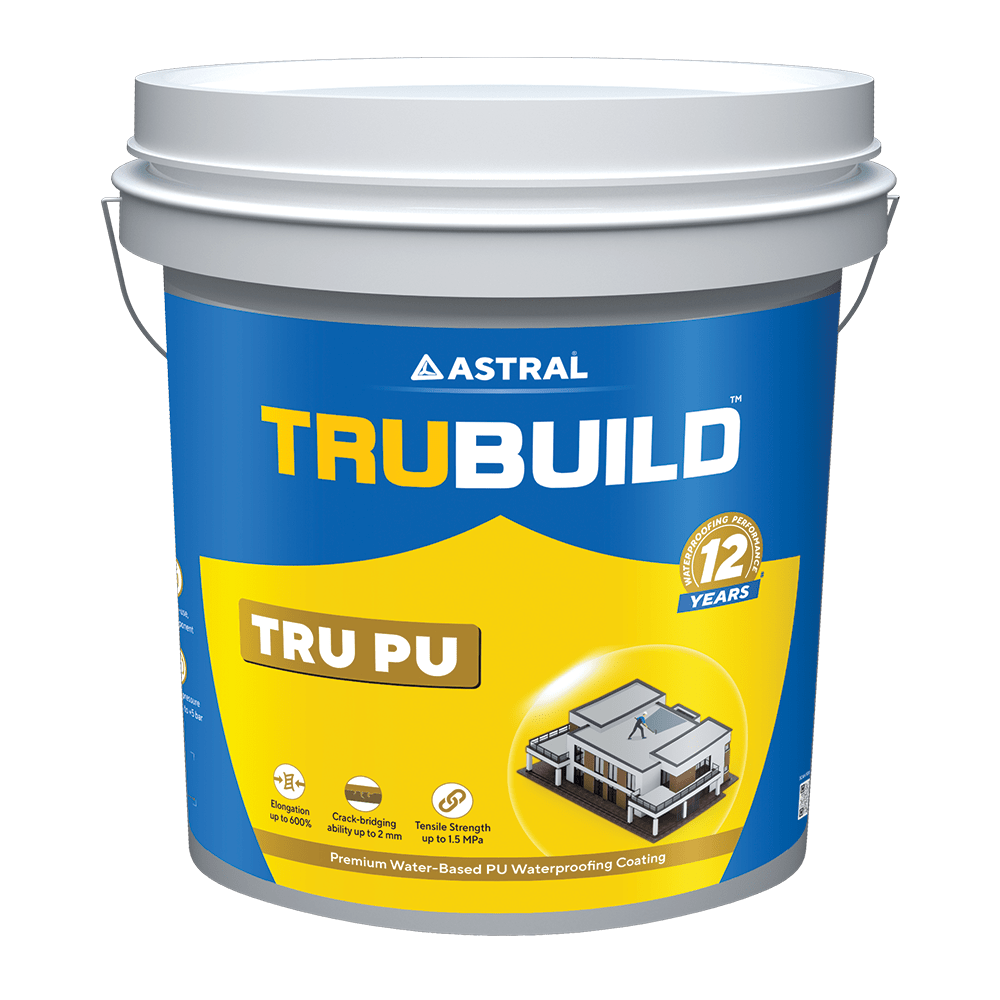
- New construction requiring a premium, flexible barrier:Trubuild TRU PU offers outstanding elasticity and long-term durability for terraces and flat roofs where movement is expected.
Astral Trubuild’s range of roof waterproofing solutions is designed to address the full range of Indian roofing conditions. Each product is backed by detailed Technical Data Sheets and support from Trubuild technical representatives.
Maintenance Tips for Roof Waterproofing
A well-applied waterproofing system lasts longer when maintained. Keep these points in mind:
- Inspect the roof at least twice a year and once before the monsoon and once after.
- Clear drains and outlets so water does not pool on the surface.
- Do not place heavy objects such as paver blocks or pots directly on a waterproofed terrace without a protective screed.
- Repair new cracks promptly with Trubuild CFP 425 before they allow water entry.
- Re-coat the surface as recommended by the product guidelines, typically every few years depending on exposure conditions.
Cementitious waterproofing solutions for roof are one of the most practical and reliable solutions available for Indian homes and buildings. It bonds well, goes on cleanly and protects against water ingress in the demanding conditions that Indian climates bring. Pair it with the right Astral Trubuild product for your specific roof type, follow the application steps carefully and your roof should stay dry through many monsoon seasons to come.
FAQ
Can cementitious waterproofing stop roof leakage completely?
Yes, a properly applied cementitious waterproofing system can stop roof leakage effectively. The key is thorough surface preparation and all cracks must be filled and the substrate must be in SSD condition before application. Using a premium product like Trubuild Aqualock Flexi, gives you a strong defence against water ingress. In areas of severe penetration, apply three coats for added protection.
How long does cementitious waterproofing last on a roof?
The lifespan of cementitious waterproofing depends on the quality of the product, the care taken during application and the exposure conditions. High-quality roof waterproofing solutions applied correctly can last from five to ten years or longer. Regular inspections, prompt repair of any new cracks and keeping the roof free of standing water all help extend the system’s life.
Is cementitious waterproofing better than other roof waterproofing solutions?
Cementitious waterproofing is not universally better than other systems. It depends on your roof’s needs. It excels on concrete roofs, damp substrates and water-retaining structures due to its strong bond with cement-based surfaces and its ability to handle hydrostatic pressure from both sides. If your roof needs heat reflection and very high flexibility, an acrylic or PU-acrylate coating like Trubuild Rooftect Pro or Rooftect Advanced may suit you better. In many cases, both systems can complement each other as part of a complete waterproofing strategy.

