
 Concrete and Mortar
 Exterior Waterproofing
 Professional Sealants
 Roof Waterproofing
 Substructure Waterproofing
  Tiling and Grouting
 Water Tanks and Other Areas
  Wet Areas

 Home
HomeHow to Choose Waterproofing Solutions for New Construction vs Existing Buildings in India?
Jun 3, 2026

In India, water damage is a recurring worry for new homeowners and people living in older buildings. Monsoon rain, high humidity and day‑to‑day use of bathrooms and kitchens expose weak points in roofs, walls and slabs. The waterproofing solution that works at the construction stage is often different from what is needed in a renovation. Understanding this difference helps you choose systems that protect the structure rather than only hiding symptoms.
This guide explains how waterproofing needs change between new and existing buildings, outlines suitable solutions for key areas, and highlights common mistakes that reduce long‑term protection.
What is the Difference between New Construction and Renovation Waterproofing?
In new construction, waterproofing focuses on prevention. It is planned along with structural design and finishes, and can be applied directly on concrete, screed or brickwork before tiles and paint. In existing buildings, waterproofing is usually about diagnosis and repair. The aim is to locate leakage points, treat cracks and then protect surfaces that are already in use.
New homes have full access to foundations, slabs and bare terraces. Renovation work in old buildings often deals with finished surfaces, occupied spaces and limited access. This changes the type of waterproofing products and methods used.
Why do Waterproofing Needs Differ for New and Existing Buildings?
Waterproofing needs differ because the building’s stage and the problems observed are not the same.
For new homes and projects:
- There is an opportunity to waterproof foundations, basements, terraces and bathrooms before finishes go in.
- Under‑tile and under‑screed waterproofing can be applied in a continuous layer.
- Joints, outlets and penetrations can be detailed carefully at design and execution stage.
For existing buildings:
- Leakage patterns are already present, often in specific areas such as roofs, bathrooms or external walls.
- Access is through finished surfaces, which limits how deep treatments can go without demolition.
- Repair work must consider occupants, furniture and day‑to‑day use.
These differences affect the choice between integral waterproofing compounds, membranes, cementitious coatings, PU systems and protective paints.
What are the Best Waterproofing Products for New Construction?
New construction allows waterproofing to be integrated into the building from the base upwards.
Foundation and Plinth: At this stage, waterproofing includes treatment of foundations, plinth beams and retaining walls. Below‑ground waterproofing systems and drainage design help reduce rising damp and seepage into lower walls and basements.
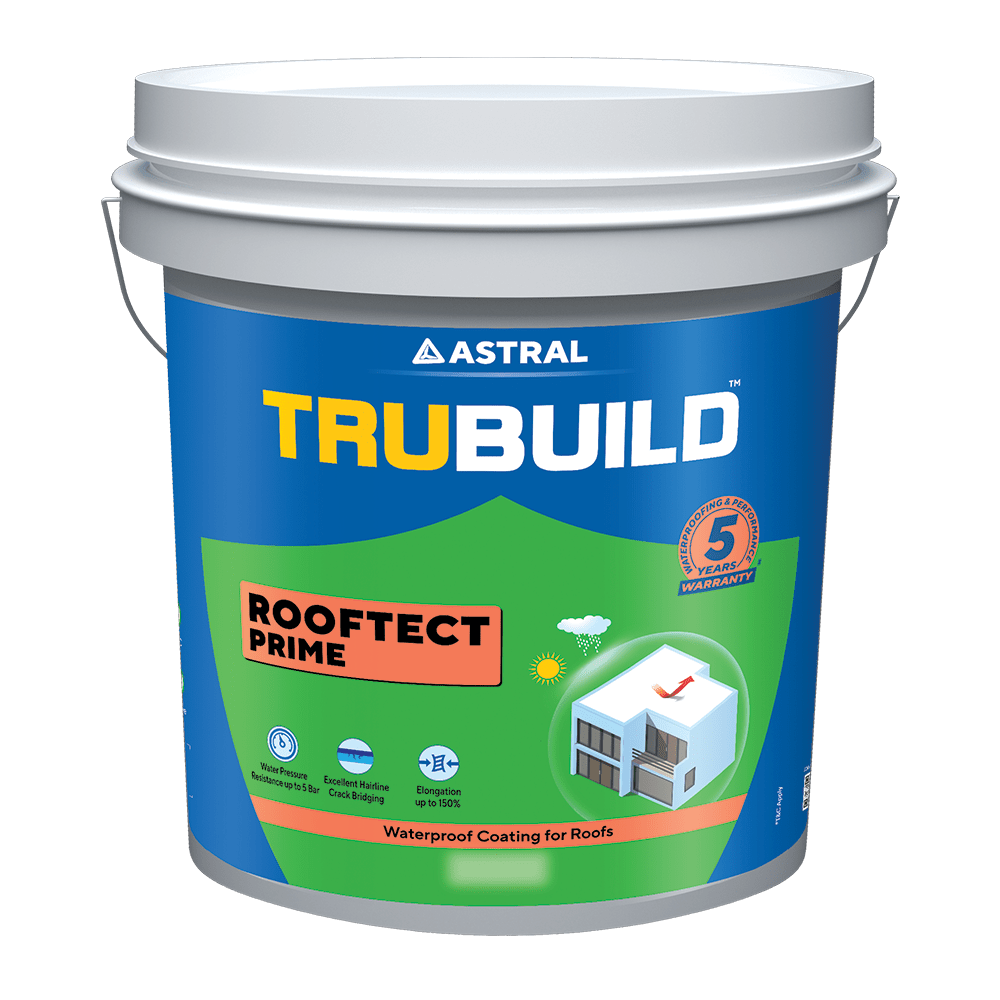
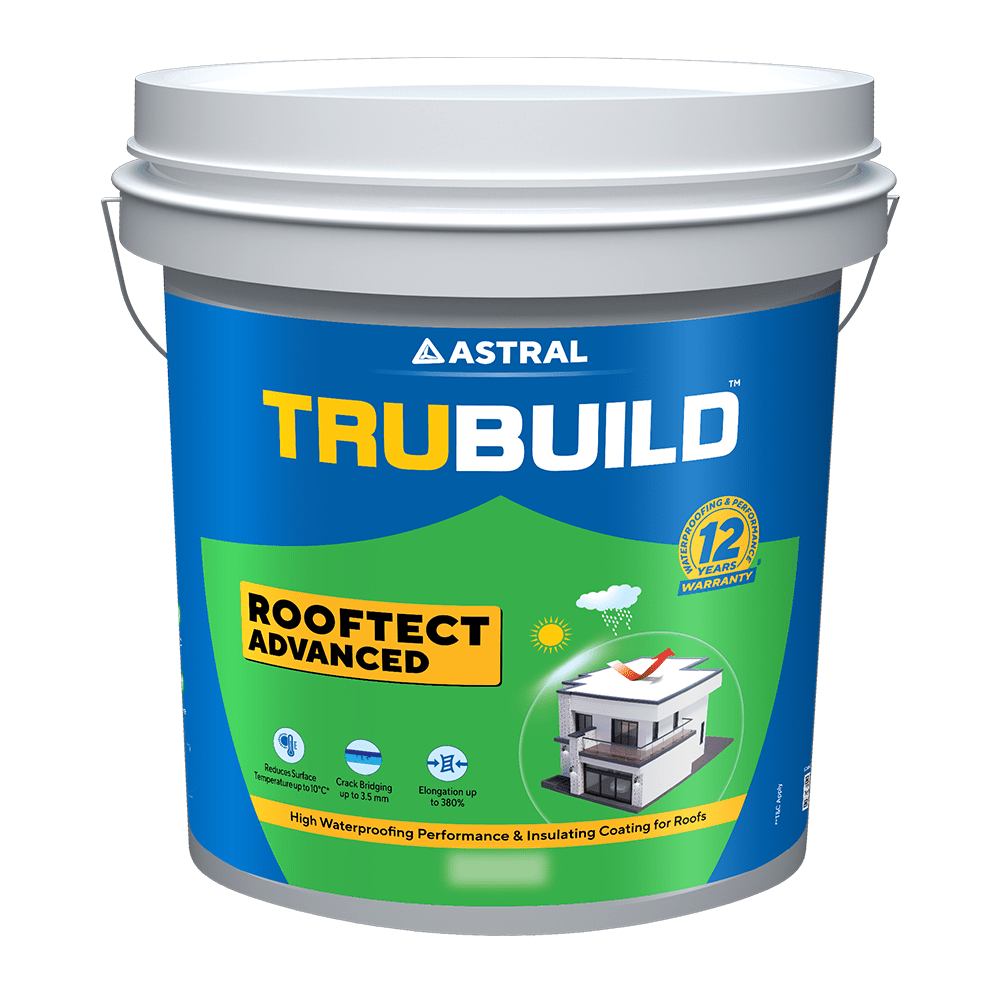
Terrace and Roof: For new terraces and roofs, membranes and under‑screed waterproofing are applied before flooring. PU membranes or cementitious systems can be used over structural slabs, followed by protective screeds and tiles.
Basement and Underground Spaces: Basements need systems that handle water pressure from the outside. Positive side waterproofing on external walls, negative side treatments from inside and proper drainage form a combined solution.
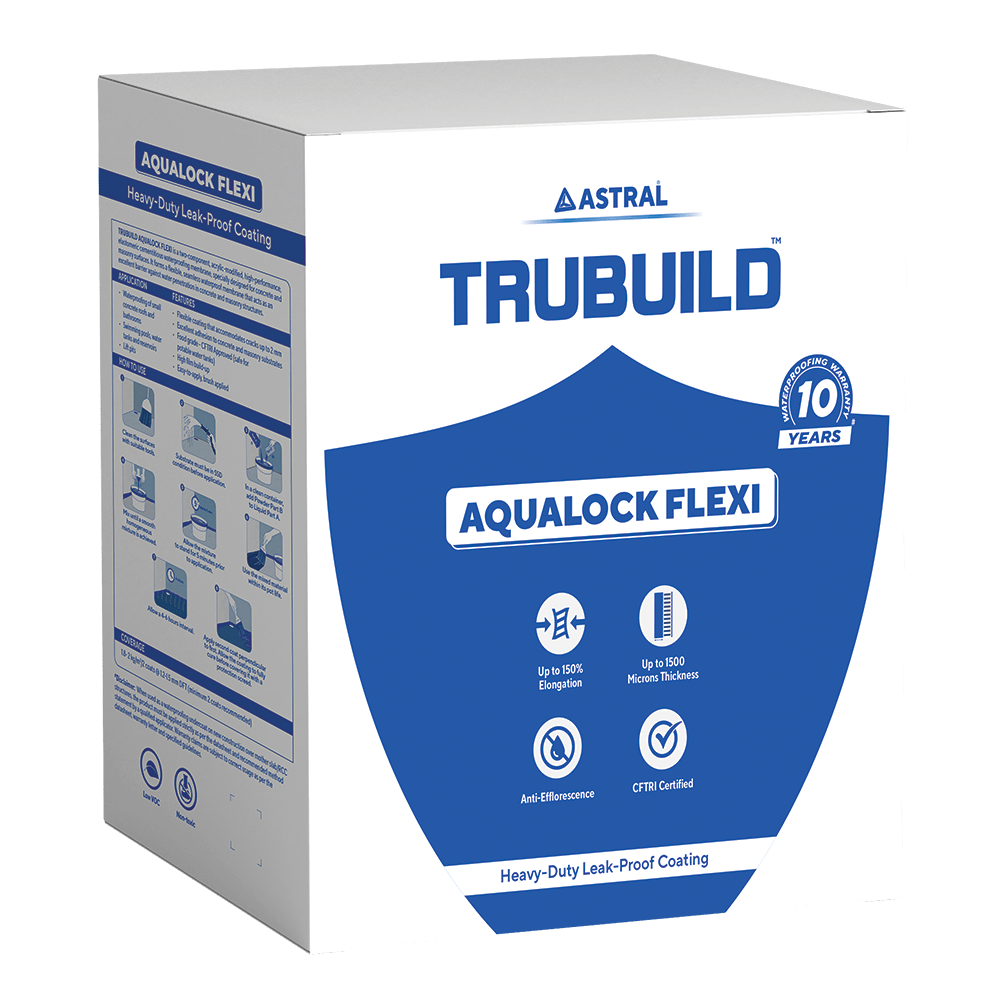
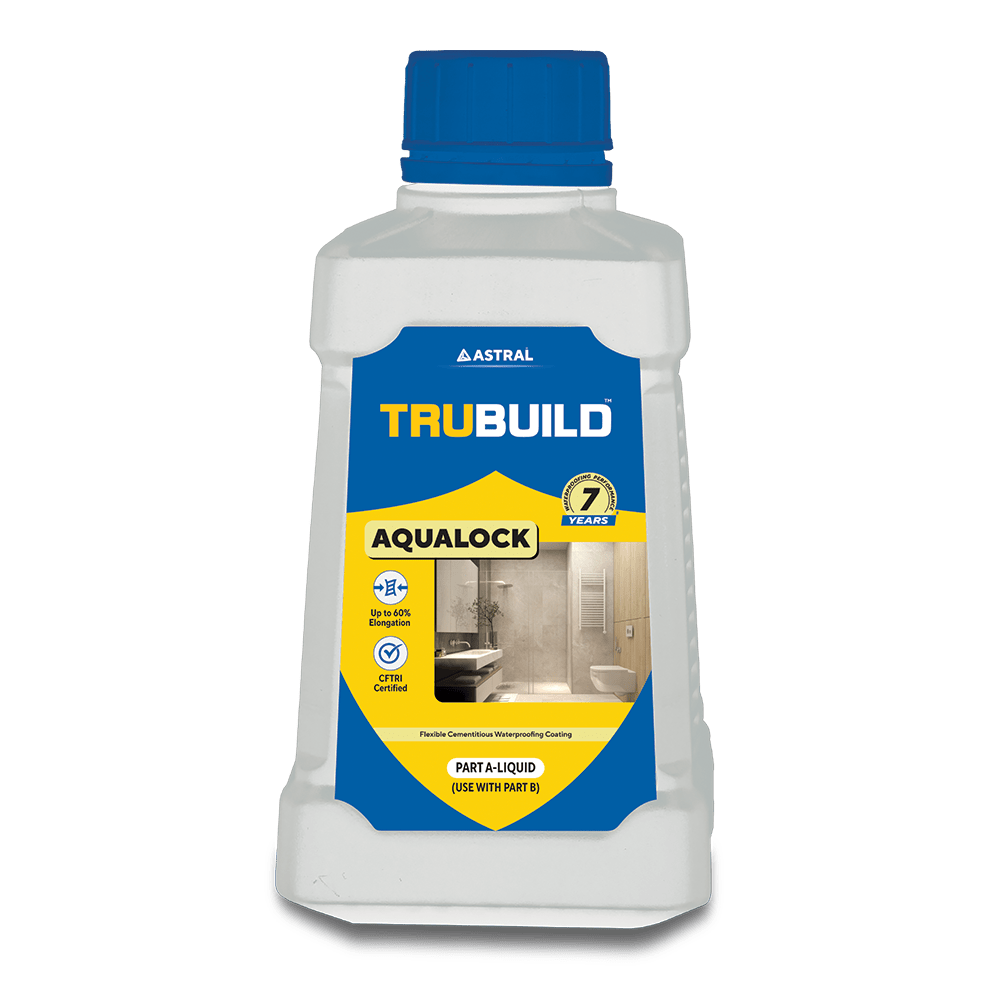
Bathrooms and Kitchens: Bathrooms and kitchens benefit most from under‑tile waterproofing. Cementitious coatings at wall‑floor junctions, around drains and across the floor slab create a barrier before tiles and fixtures are fixed.
External Walls: External walls can be protected through integral waterproofing in plaster mixes and by using specialised basecoats and topcoats on the outside surface. Careful detailing around windows, chajjas and parapets helps direct water away from vulnerable points.
What are the Best Waterproofing Solutions for Existing Buildings?
Existing buildings often show clear leakage signs, so solutions start with diagnosis.
Leakage Diagnosis: First, identify where water is entering. Typical sources are roof slabs, terrace tiles, bathroom floors, balcony edges, external walls and plumbing lines. Visual inspection, simple tests and pattern observation help narrow down the main cause rather than treating only the visible stain.
Crack Repair and Joint Treatment: Once the source is known, cracks and joints must be treated. Structural cracks need suitable repair materials, while non‑structural cracks and gaps at joints, parapets and wall‑floor junctions are sealed with compatible fillers and sealants. This step is essential before any coating.
Surface Preparation: Surfaces must be cleaned and prepared. Old, loose coatings, moss, dust and efflorescence are removed. Outlets are opened and slopes checked. A sound, dry surface allows waterproofing products to bond and perform as designed.
Protective Coatings and Membranes: After preparation, protective systems are applied. These may include PU membranes on roofs and terraces, cementitious coatings in bathrooms and basements, and specialised wall coatings on damp external walls. In some cases, transparent coatings and joint sealing are used over existing tiles to control bathroom leaks without removing finishes.
New Construction vs. Renovation Waterproofing
The table below summarises key differences between waterproofing for new construction and existing buildings.
| Aspect | New Construction Waterproofing | Existing Building Waterproofing |
| Main focus | Prevent water entry through design and early treatment | Diagnose and repair existing leaks and dampness |
| Access to structure | Direct access to concrete, brickwork and bare surfaces | Access mainly through finished surfaces and occupied spaces |
| Typical solutions | Under‑tile membranes, integral mixes, basecoats, topcoats | Crack repair, surface preparation, coatings and membranes |
| Cost profile | Planned investment during construction | Variable cost based on severity of existing problems |
| Disruption level | Part of normal construction schedule | May involve selective demolition or temporary inconvenience |
| Long‑term control | Strong when design and detailing are done well | Good when root causes are addressed, not only symptoms |
What Factors Should You Consider Before Choosing Waterproofing Products?
Choosing the right waterproofing solution depends on a few important factors.
Budget and Long‑term Cost
A slightly higher investment in good waterproofing during construction can reduce repeated repair costs later. In existing buildings, it is better to fix causes once with suitable systems than to repaint or patch frequently.
Building Age and Condition
New buildings with sound structure can use standard systems at the design stage. Older buildings with multiple past leaks or structural wear may need more detailed diagnosis and specialised products.
Climate and Location
High rainfall and coastal areas face stronger water and humidity exposure. Roofs, external walls and basements in these regions need more robust waterproofing than similar areas in drier climates.
Surface Type and Access
Roofs, terraces, bathrooms, basements and external walls have different exposure and use patterns. Access also matters. Some surfaces allow under‑layer treatments, while others can only be treated on the visible side without major demolition.
What are the Most Common Mistakes in Waterproofing New and Old Buildings?
Mistakes in New Construction
- Treating waterproofing as an afterthought instead of planning it with structure and finishes.
- Skipping under‑tile or under‑screed waterproofing in bathrooms and terraces.
- Ignoring foundations and basements during design.
- Poor detailing at outlets, parapet walls and penetrations.
Mistakes in Existing Buildings
- Addressing stains with paint or putty instead of locating the actual leak source.
- Applying products on damp, dirty or unsound surfaces.
- Using the same waterproofing product everywhere without matching it to the area and problem.
- Rushing application and curing before major rains or heavy use.
Ensure you choose high-performance waterproofing solutions that are reliable for your home or building construction. Explore waterproofing products at Astral Trubuild for a range of comprehensive waterproofing solutions.
FAQ
Which waterproofing is best for new homes?
The best waterproofing for a new home depends on location and area. Foundations and basements need below‑ground systems, terraces benefit from membranes and under‑screed treatments, and bathrooms perform well with under‑tile waterproofing at wall‑floor junctions.
Can old buildings be waterproofed effectively?
Most old buildings can be waterproofed effectively if leakage sources are identified correctly and treated with suitable crack repair and coating systems. Severe structural issues or damaged plumbing need separate technical attention, but many damp problems can be reduced.
Which waterproofing products last longer?
Products designed as membranes or high‑performance cementitious systems usually offer longer service life when applied on prepared surfaces. Their life also depends on exposure, maintenance and correct film thickness, not just product type.
Is roof waterproofing necessary for Indian buildings?
Roof and terrace waterproofing is strongly recommended for Indian buildings. Flat roofs, intense monsoon rain and high sun exposure create conditions where untreated slabs and tiles are likely to leak over time, affecting both interiors and structural durability.

