
 Concrete and Mortar
 Exterior Waterproofing
 Professional Sealants
 Roof Waterproofing
 Substructure Waterproofing
  Tiling and Grouting
 Water Tanks and Other Areas
  Wet Areas

 Home
HomeWhat Is Waterproofing and Why Is It Important for Your Home?
Dec 3, 2025
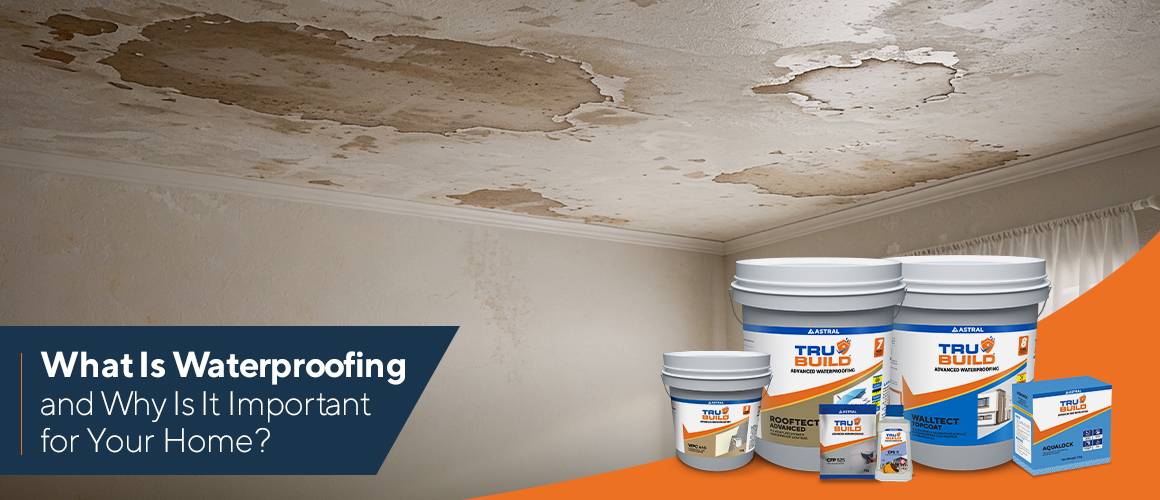
Have you noticed damp patches on your walls or paint peeling off during the monsoon? It is a common sight in many Indian homes. Moisture seeps through walls, roofs or bathrooms and causes issues like discolouration, mould growth or structural damage over time. That is where waterproofing comes in as a suitable solution for these problems. It protects your home from water damage and it also helps maintain its beauty for years.
For homeowners, waterproofing is not just a seasonal repair but a preventive step that saves money and stress in the long run. Let us understand what it means, the importance of waterproofing and the different types of waterproofing methods and solutions used in homes today.
What Is Waterproofing?
Waterproofing is the process of making a surface or a structure resistant to water penetration. It creates a barrier that helps to prevent water from entering through walls, roofs or foundations. Basically, the goal is to protect buildings from moisture-related damage such as leaks, cracks or corrosion.
In most Indian homes, waterproofing is applied during construction or renovation. It plays an important role in extending the lifespan of buildings. This is especially essential for regions with heavy rainfall, humidity or high groundwater levels. Now that you understand what is waterproofing, also understand why it is necessary to safeguard your home with this solution.
Why Is Waterproofing Important for Your Home?
Many homeowners overlook waterproofing until major damage appears. But water infiltration can slowly weaken structural strength and may not show visible signs until it’s too late. Here are some reasons why waterproofing is important:
- Prevents structural damage: Moisture can make the concrete and steel reinforcement weak over time.
- Reduces maintenance costs: Early waterproofing saves major repair expenses which you could face later.
- Prevents fungal and mould growth: A damp environment leads to unhealthy living conditions.
- Protects interiors: Walls, flooring and furniture remain safe from dampness and peeling paint.
In short, waterproofing safeguards the health of your home and your comfort.
Types of Waterproofing
Homeowners can choose from many different waterproofing methods depending on area, surface type and budget. Let us look at the most common types used in residential buildings.
1. Cementitious Waterproofing
This is one of the simplest and most used methods. It involves applying a cement-based compound over surfaces such as bathrooms, basements or water tanks. Once dry, it forms a protective coating and that prevents water seepage. It is easy to apply and suitable for internal areas.
2. Liquid Waterproofing Membrane
This method uses a liquid coating that forms a seamless membrane after drying/curing. It can expand and contract with temperature changes and this quality makes it suitable for roofs, terraces and balconies.
3. Bituminous Coating
Also known as asphalt coating, this type provides a strong protective layer that resists moisture. It is used widely for concrete foundations and basements. The coating offers excellent waterproofing but it is not the best choice for areas directly exposed to sunlight unless modified with other materials.
4. Bituminous Membrane
This technique uses pre-formed sheets made of asphalt, which are applied on the surface using heat or adhesives. It is one of the most reliable systems for flat roofs and terraces as it provides long-lasting resistance to water and UV rays.
5. Polyurethane Waterproofing
Polyurethane is a liquid-applied coating that forms an elastic membrane once cured. It is suitable for areas like terraces or balconies where flexibility and durability are needed. It also offers excellent resistance to chemicals and weather changes.
Waterproofing Solutions Using Astral Trubuild
Astral Trubuild offers advanced waterproofing products designed for Indian conditions. These different types of waterproofing solutions cover various areas of your home for complete protection.
1. Bathroom and Internal Areas
Bathrooms are prone to leakage through floor joints and wall corners. The Trubuild Aqualock provide a strong cementitious coating that stops water seepage
2. Terrace and Roof
Terraces face constant heat, rain and dust exposure. Astral’s liquid membranes, like Trubuild Rootect Pro and Trubuild Rootect Advanced, protect surfaces from UV rays and leaks. They reflect heat and help to keep homes cooler during summer.
3. Water Tanks and Basins
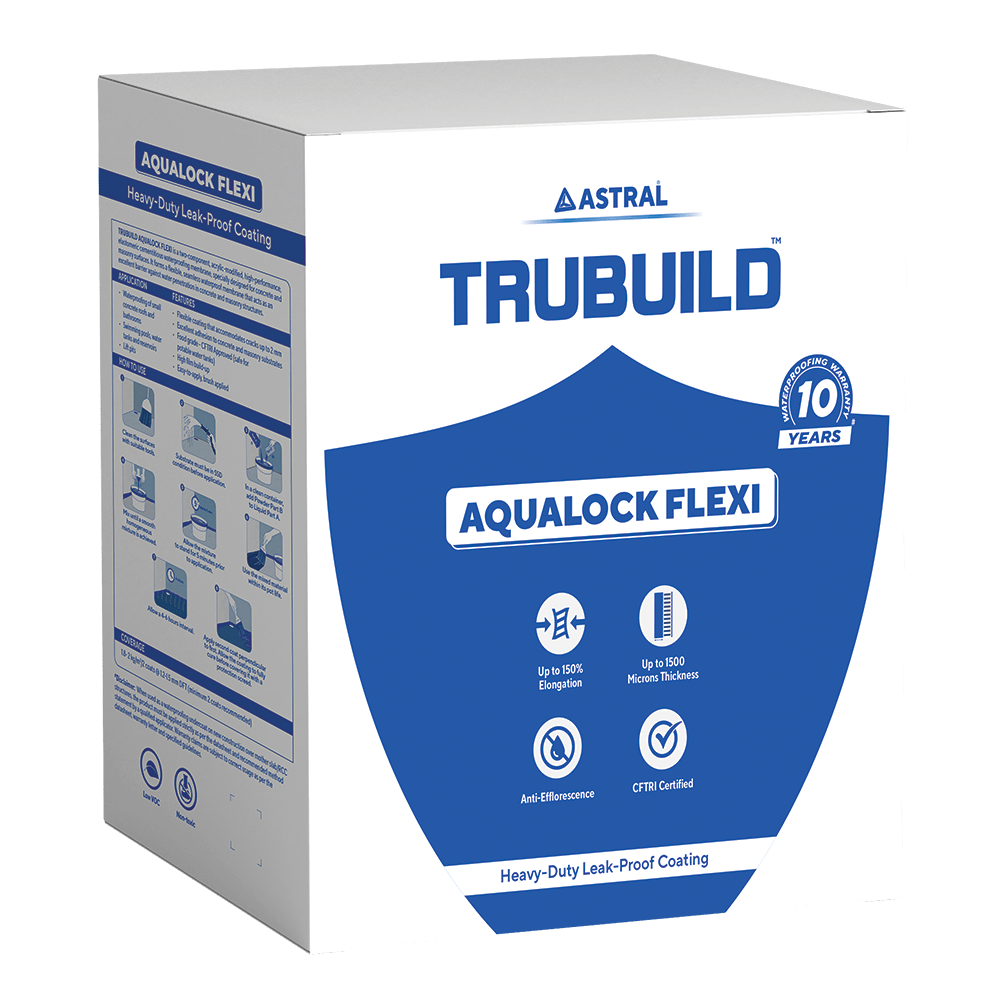
Trubuild Cementitious waterproof coatings like Trubuild Aqualock Flexi offer durable linings for overhead and underground tanks. This solution is safe for potable water and prevents seepage effectively.
4. Walls and Exteriors
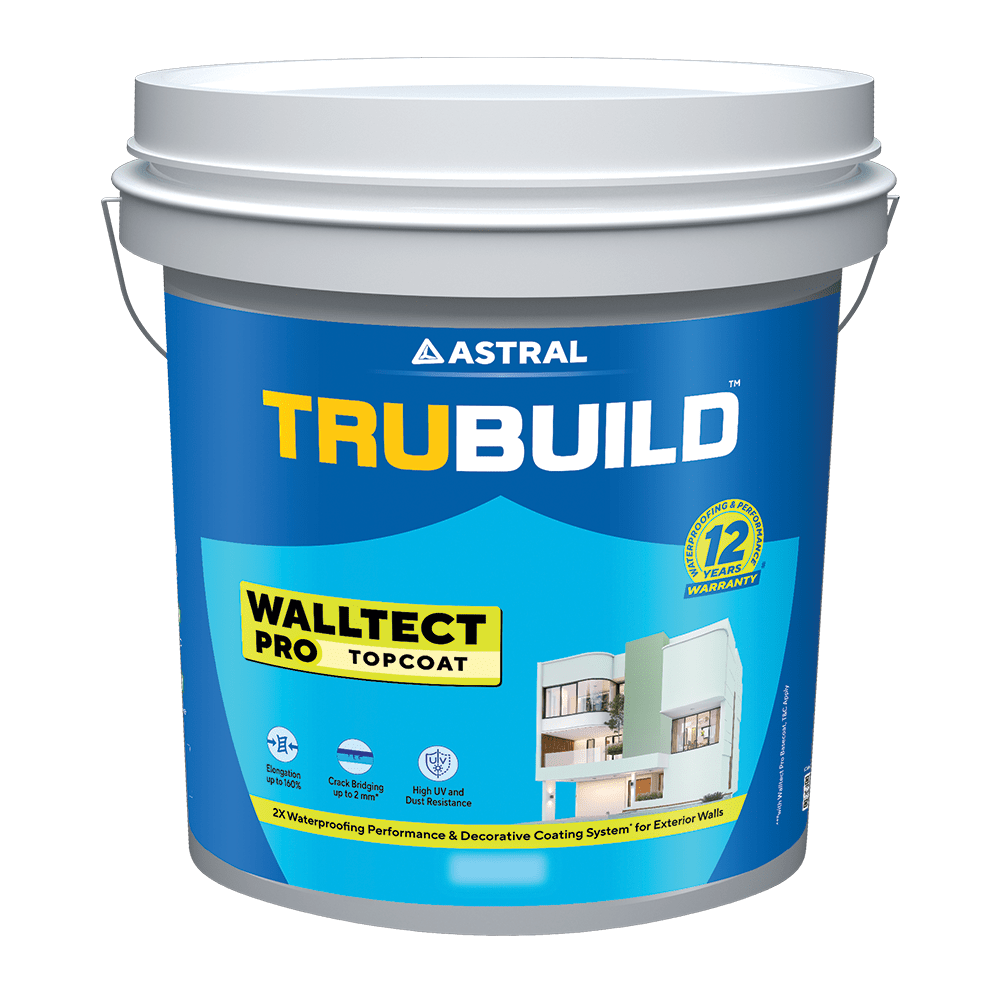
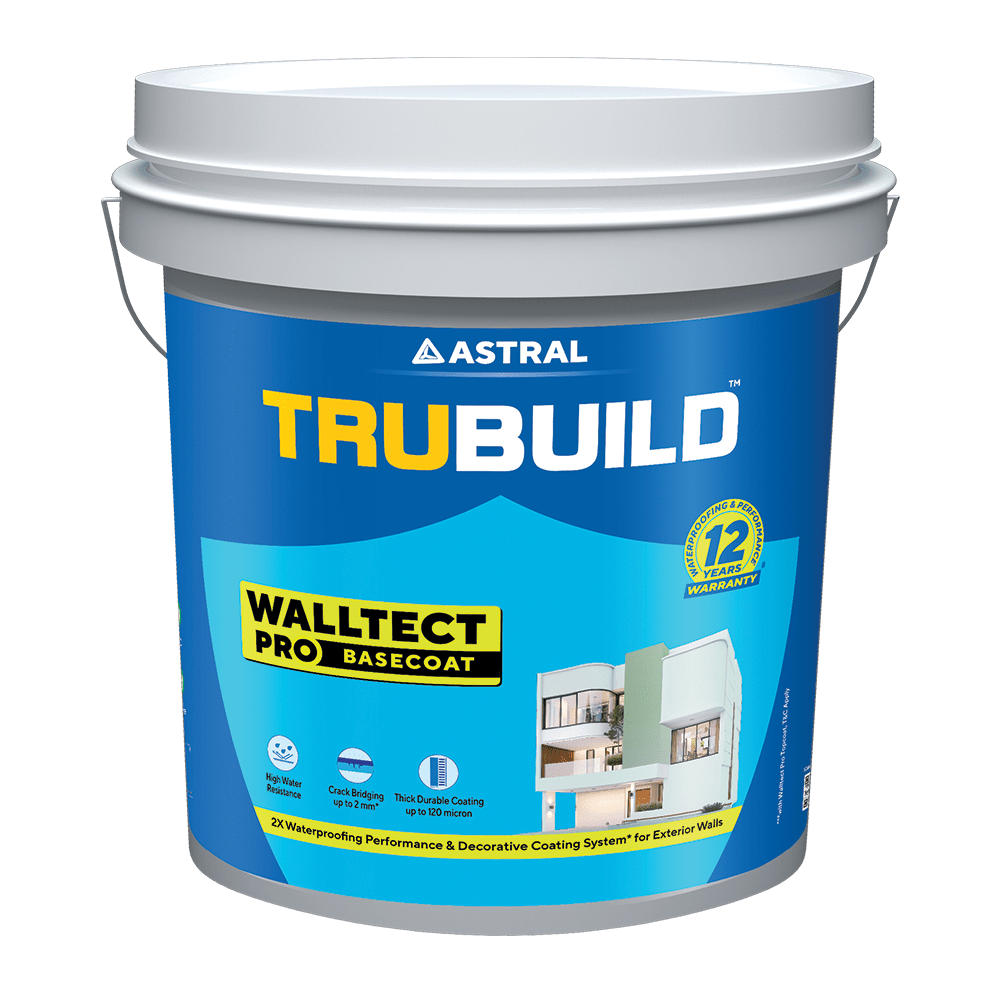
External walls need protection against rain and moisture. Trubuild Acrylic and Elastomeric Coatings, like Trubuild Walltect Basecoat and Trubuild Walltect Topcoat, form a weather-resistant shield. This barrier prevents damp patches and enhances exterior beauty.
Waterproofing plays a vital role in both new constructions and existing homes. It keeps your home safe from water damage, maintains indoor comfort and extends the life of the structure. With trusted solutions from Astral Trubuild, homeowners can achieve long-lasting protection for every corner of their home, from bathrooms to terraces.
Understanding the importance of waterproofing and deciding to get it done for your home today means living worry-free tomorrow.
FAQ
What is the purpose of waterproofing?
The purpose of waterproofing is to prevent water from entering and damaging a building’s structure over time.
Which areas of a home need waterproofing most?
Bathrooms, terraces, basements, water tanks and exterior walls are most prone to leaks and dampness.
What is the best waterproofing method for roofs?
Liquid membranes and bituminous sheets are preferred for roofs as they offer strong resistance to rain and UV rays.
How do I know if my home needs waterproofing?
Signs such as damp patches, peeling paint or water stains indicate moisture intrusion and the need for waterproofing.

