
 Concrete and Mortar
 Exterior Waterproofing
 Professional Sealants
 Roof Waterproofing
 Substructure Waterproofing
  Tiling and Grouting
 Water Tanks and Other Areas
  Wet Areas

 Home
HomeHow to Waterproof Underground Water Tank
May 16, 2026

Most homes and buildings in India rely on an underground water tank for their daily water supply. If you are wondering how to waterproof underground water tank, it is important to understand that these tanks are constantly exposed to soil pressure, moisture and shifting ground conditions because they sit below ground level. Over time, this can lead to cracks, seepage and structural damage. A leaking underground water tank can contaminate the stored water supply and weaken the surrounding construction. Proper waterproofing from the beginning, along with timely repairs and maintenance, helps protect the structure, maintain water quality and avoid costly damage in the future.
Why is Underground Water Tank Waterproofing Important?
An underground water tank faces a different set of challenges compared to an overhead one. It is surrounded by soil on all sides, which means it is in constant contact with moisture and groundwater.
Without proper waterproofing, concrete and masonry, both of which are porous materials, allow water to seep through the walls and floor of the tank. This leads to leakage, structural damage and, in some cases, contamination of the stored drinking water. A well-applied waterproofing system creates a seamless, durable barrier that keeps the water in and external moisture out, which protects both the tank and the water quality inside it.
Common Problems in Underground Water Tanks
Understanding what goes wrong helps in choosing the right fix.
1. Leakage
The most visible sign of a problem. Leaks in underground tanks are often caused by hydrostatic pressure from surrounding soil pushing water through concrete joints, walls and the base slab
2. Cracks
Thermal movement, settlement and concrete shrinkage during curing all create hairline cracks over time. These cracks widen gradually and become entry points for both seepage and contaminants
3. Water contamination
When an under ground water tank leaks or absorbs external groundwater, it risks mixing treated drinking water with bacteria, minerals and pollutants from the soil. This is a health concern that is easy to overlook until it is too late
How to Waterproof Underground Water Tank?
Here’s how to waterproof a water tank:
1. Surface Cleaning
Start with a thorough clean. Remove all loose particles, algae, oil residue, dust and any old coatings from the internal surfaces of the tank. For stubborn deposits, pressure washing works well. The surface must be sound and free of any material that could interfere with bonding.
2. Crack Repair
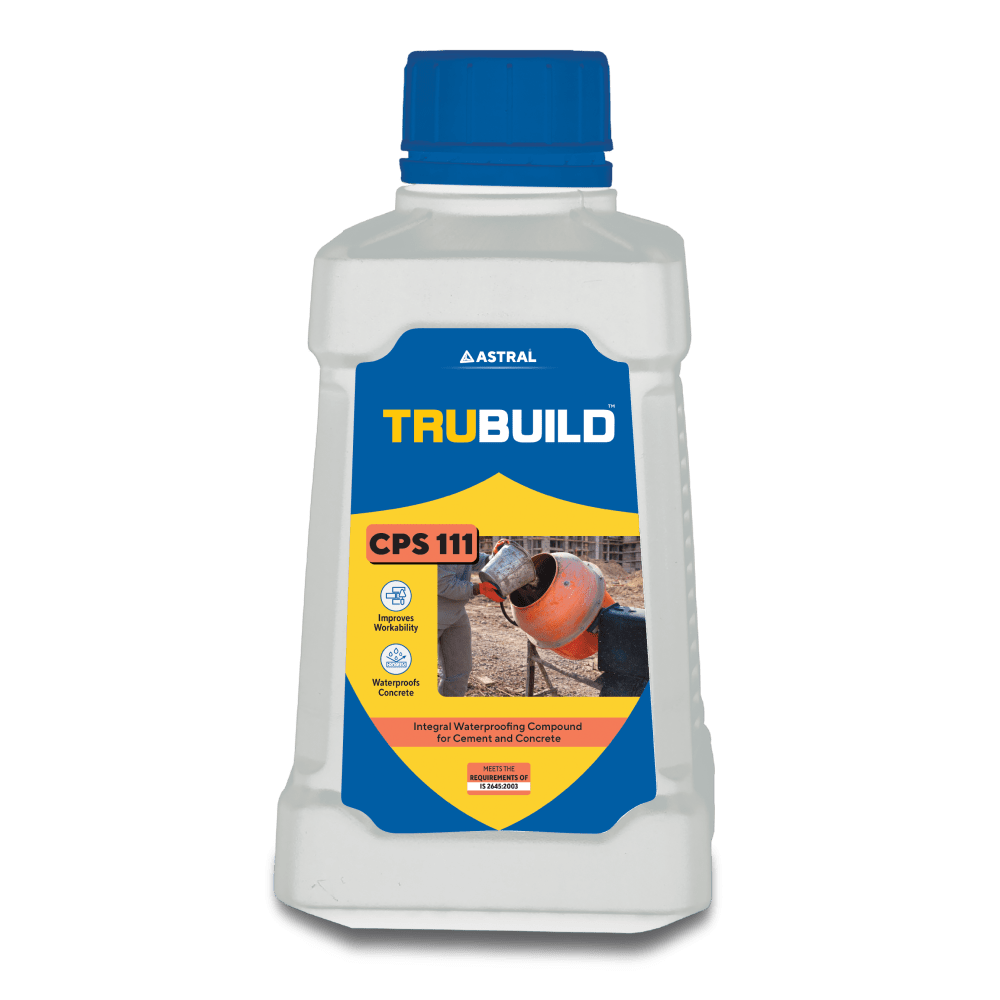
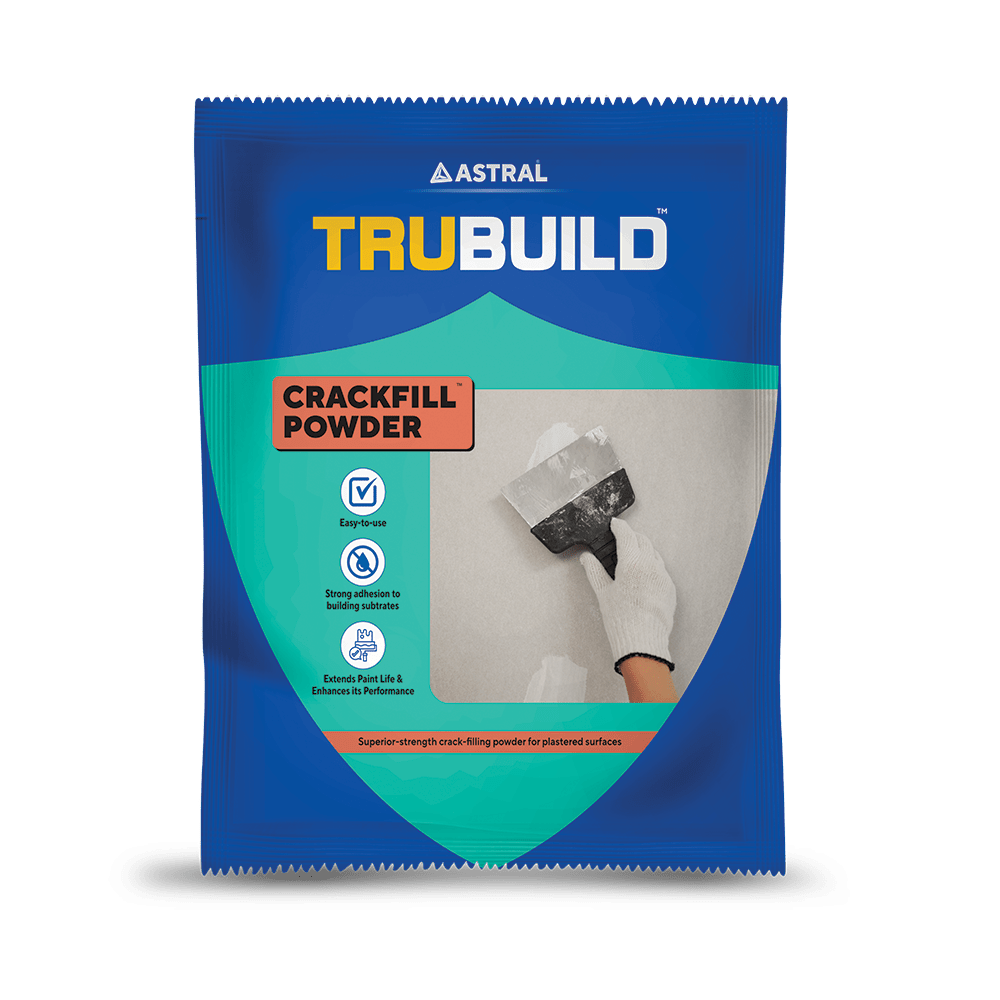
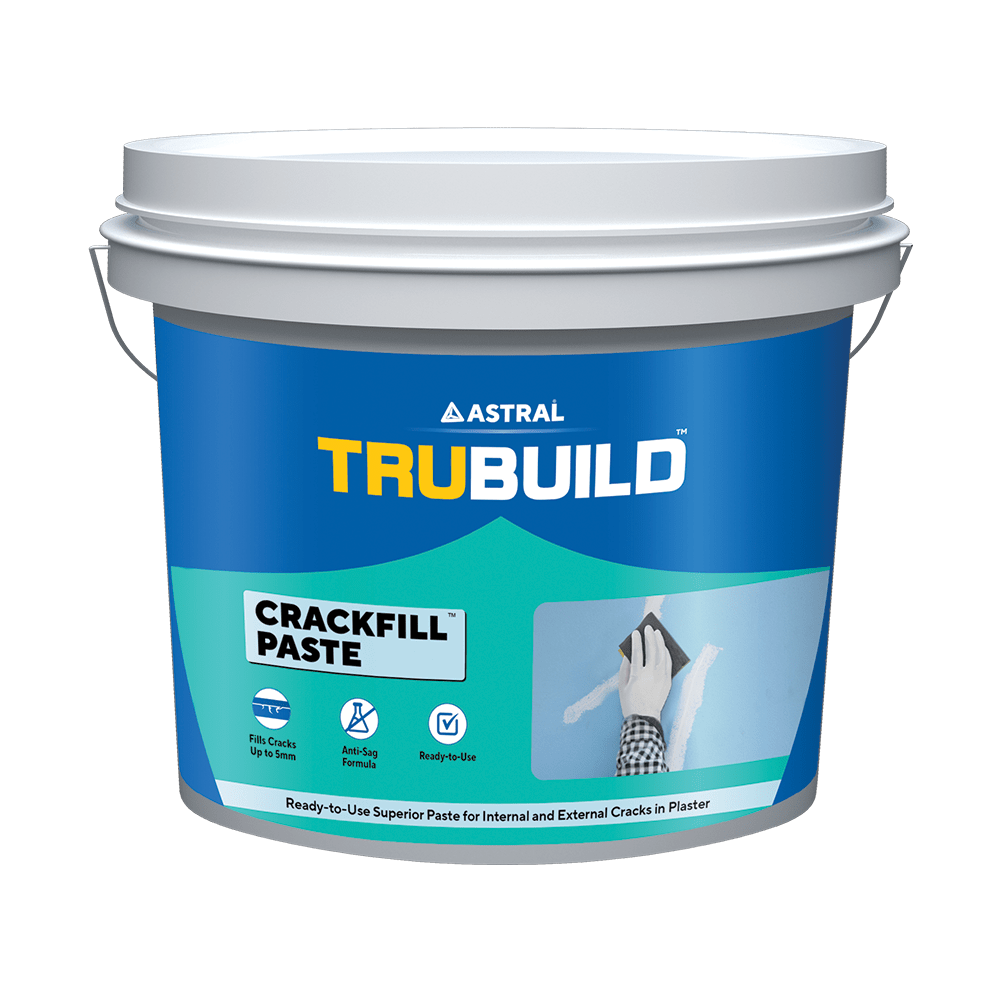
Inspect all walls, the floor slab and corners for cracks. For cracks up to 5 mm, cut a ‘V’ groove along the crack and fill it with a crack filler paste such as Astral Trubuild CFP 425. For wider or deeper cracks, use a polymer-modified mortar mixed with Trubuild WPL 333 or Trubuild BWP 222. Pay special attention to joints and corners; these are the most common leak points in any tank.
3. Applying Waterproof Coating
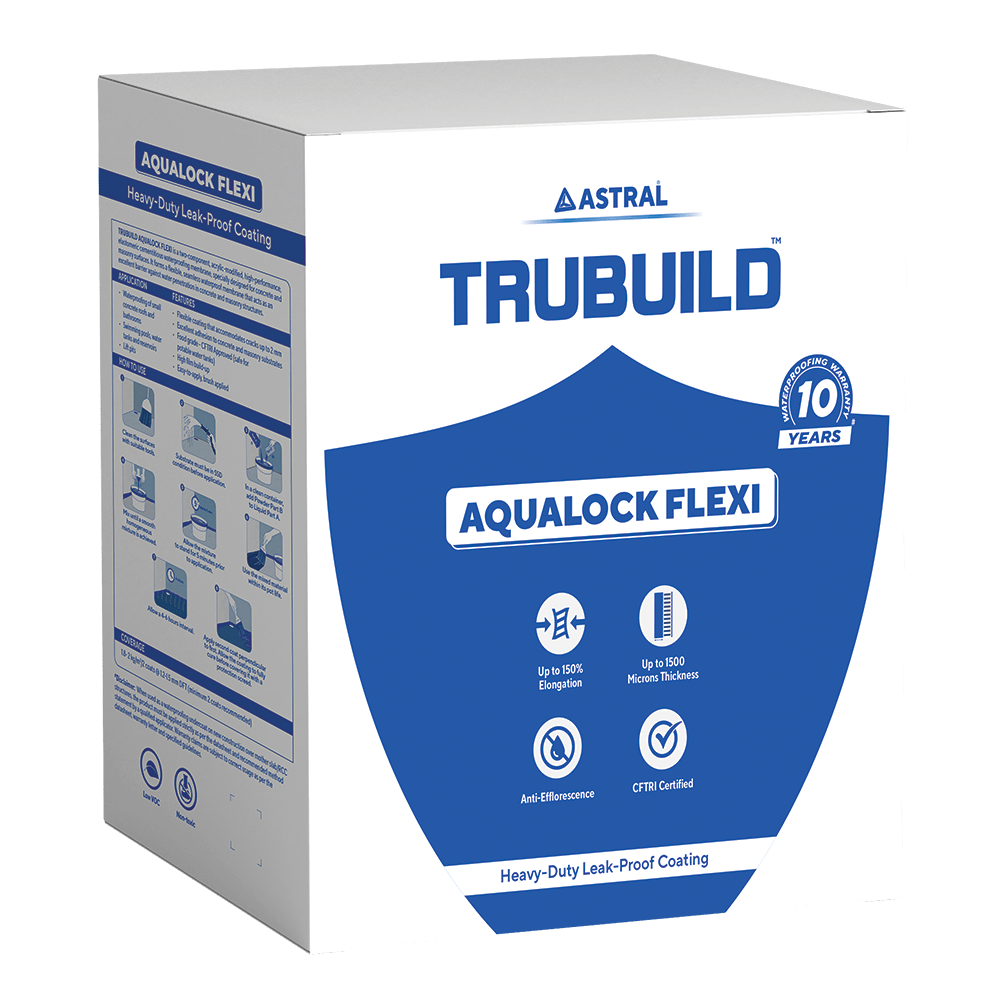
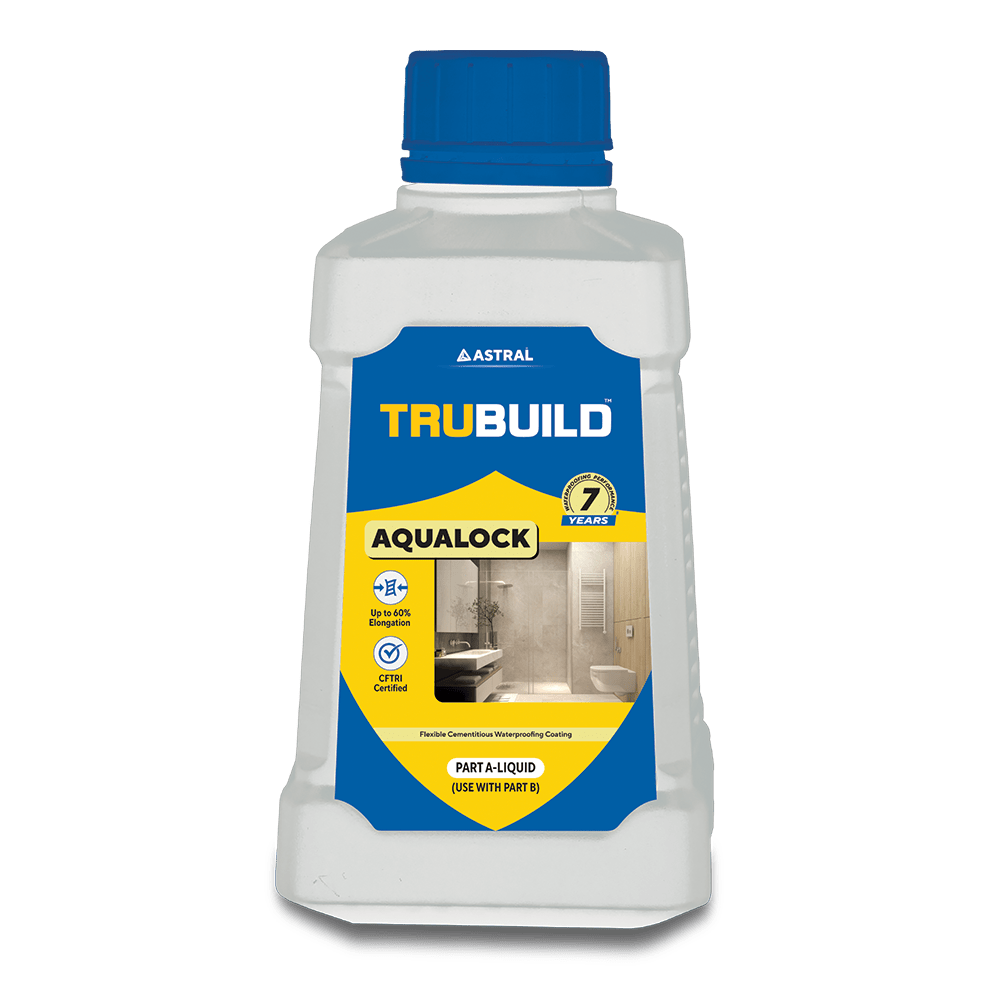
Once the surface is clean and repairs are done, apply the waterproof coating in multiple coats. For underground water tanks, a food-grade, non-toxic cementitious or acrylic-based coating is the right choice, as it needs to be safe for contact with potable water. Astral Trubuild’s Aqualock and Aqualock Flexi are specifically designed to waterproof water tanks that are built with concrete or situated in critical areas. These solutions provide a seamless membrane with strong adhesion and resistance to hydrostatic pressure.
Apply the first coat, allow it to dry fully, then apply subsequent coats as directed. Do not dilute the coating unless specified, and maintain the coverage rate recommended on the product data sheet for consistent film thickness.
4. Joint Sealing
Wall-to-floor junctions and construction joints are the weakest points in any tank structure. These should be treated separately using a flexible sealant or polymer-modified mortar fillet before the main coating is applied. This fills the void at corners and stops water from tracking along the joint line.
Best Waterproofing Materials for Water Tanks
Not all waterproofing products are safe or suitable for water tanks. The material used must be non-toxic and approved for contact with potable water.
|
Material Type |
Best For |
Key Properties |
| Acrylic cementitious coating | Underground and overhead tanks | Non-toxic, crack-bridging, durable |
| Crystalline waterproofing | Concrete tanks | Self-sealing, penetrates concrete |
| Epoxy coating | Chemical or industrial tanks | High strength, chemical resistance |
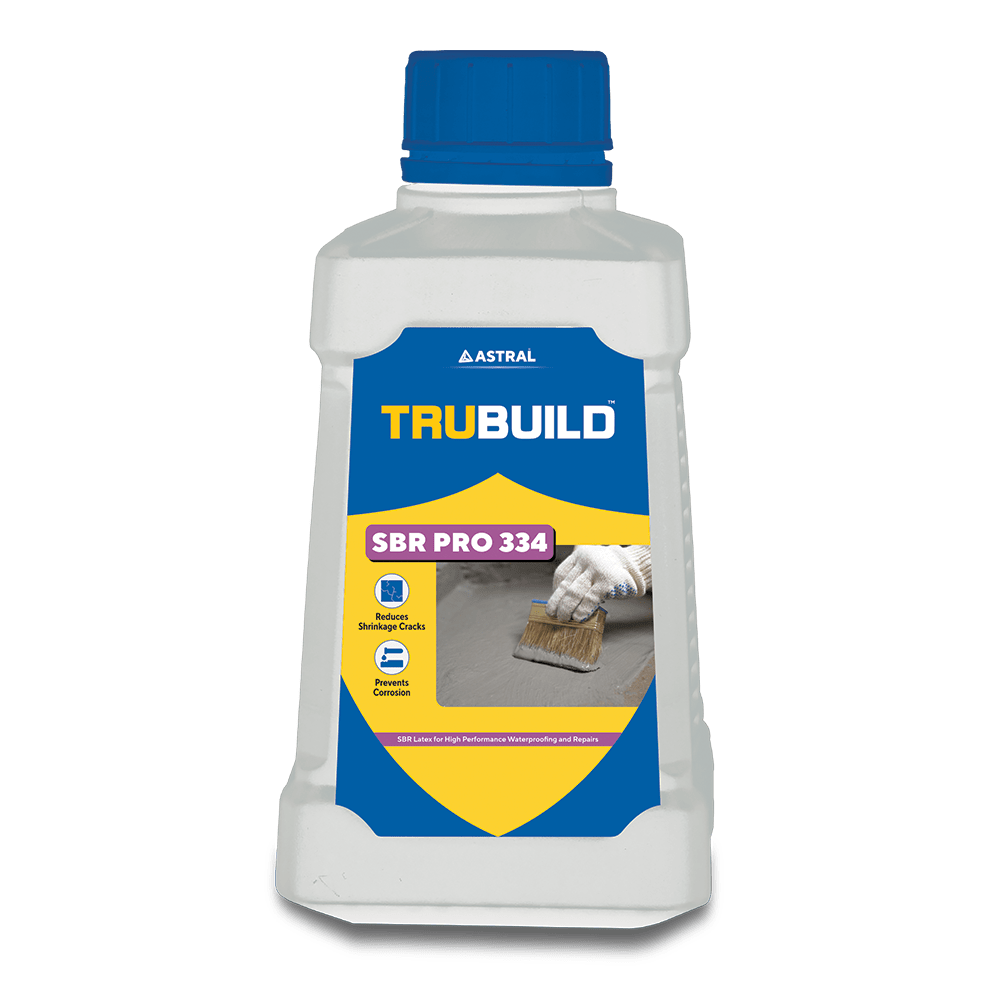
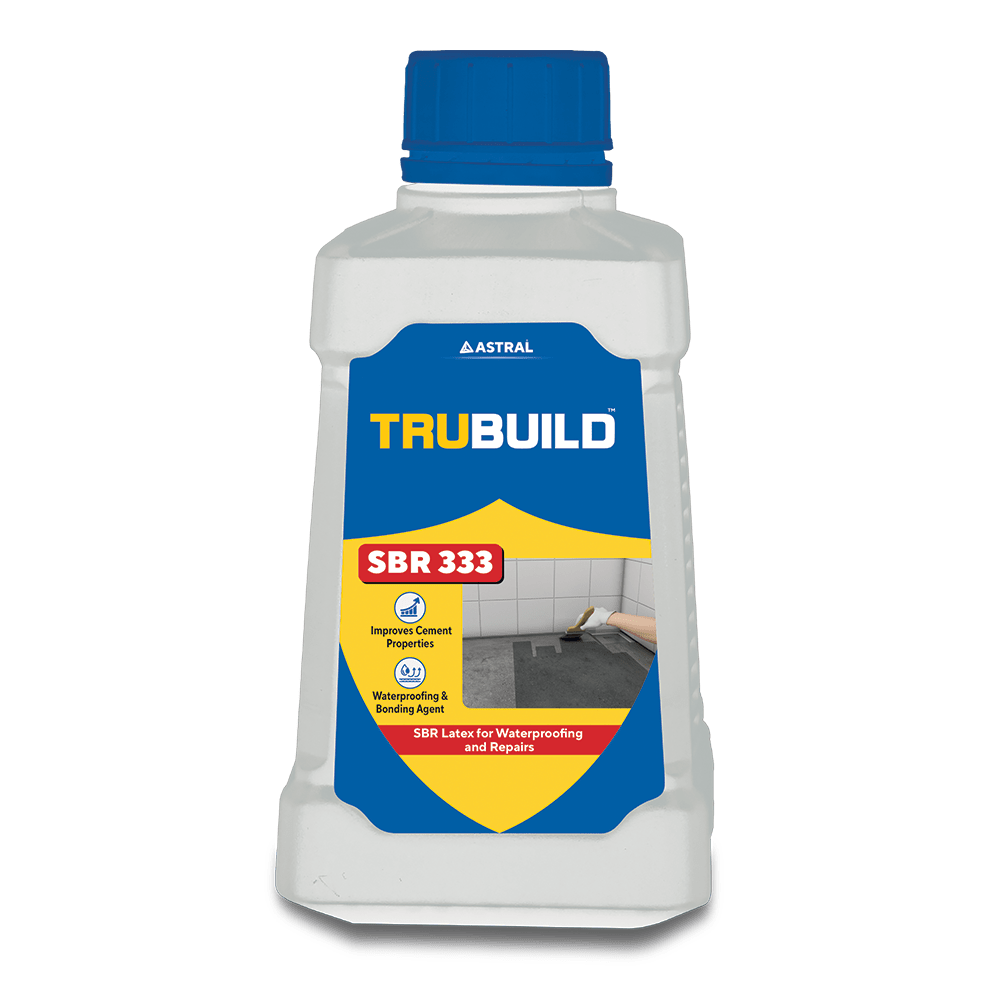
| SBR latex polymer additive | Mortar mix waterproofing | Improves bond and flexibility |
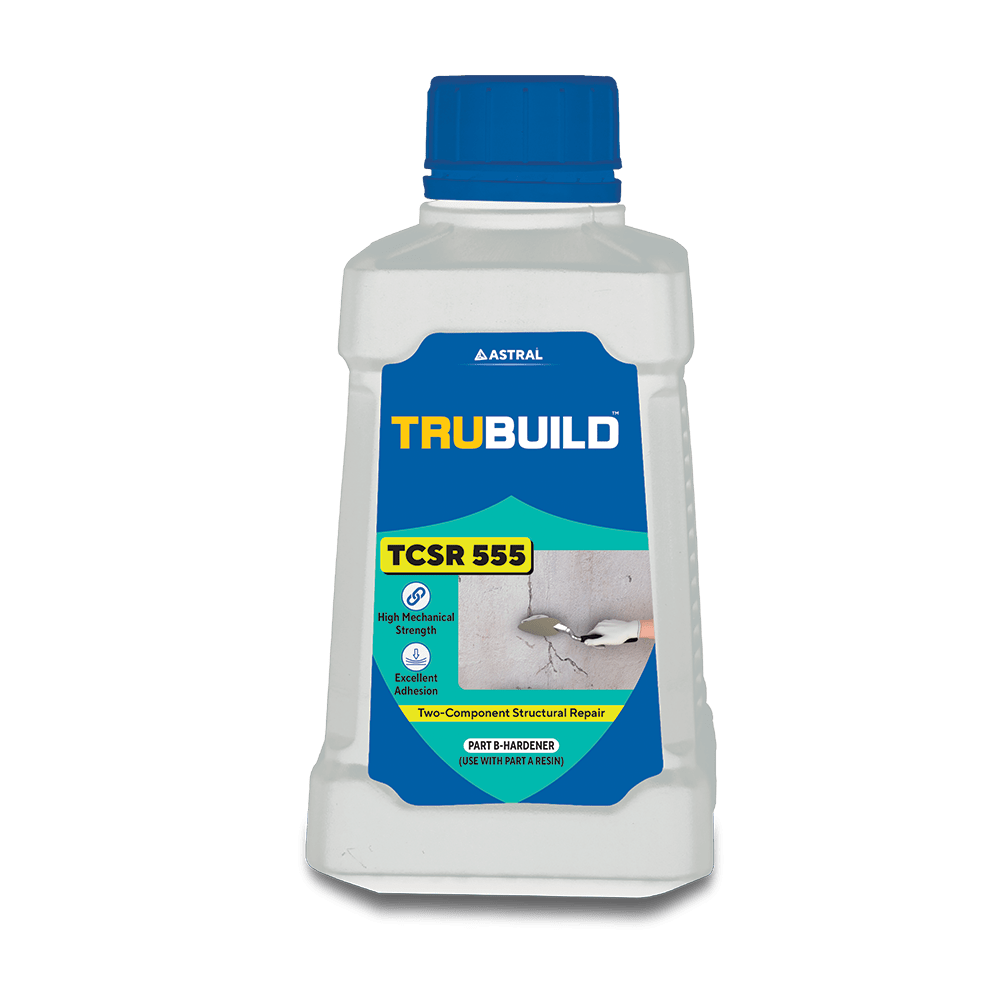
Astral Trubuild’s water tank range, including Aqualock, Aqualock Flexi and TCSR 555, covers the waterproofing needs of both domestic and commercial underground tanks. The full range is available at Astral Trubuild.
Benefits of Waterproofing Water Tanks
Investing in proper waterproofing has practical, long-term payoffs:
1. Prevents water loss
A waterproofed tank retains every litre of stored water, reducing wastage from slow seepage that often goes unnoticed for months
2. Protects water quality
A sealed tank keeps contaminants, minerals and bacteria from entering the water supply, which is especially important for drinking water storage
3. Extends tank life
Waterproofing shields the concrete from moisture-driven deterioration, corrosion of reinforcement bars and progressive cracking, significantly extending the structural life of the tank
4. Reduces maintenance costs
A well-waterproofed tank needs far less frequent repair work compared to an untreated one that develops leaks and structural damage over time
5. Supports safer construction
In areas with a high water table, proper waterproofing also prevents uplift pressure from compromising the tank’s base slab
An underground water tank is a long-term asset in any property and waterproofing it properly is the simplest way to protect both the structure and the water inside it. Explore Astral Trubuild’s complete range of non-toxic waterproofing solutions for water tanks and critical areas at
FAQ
Which waterproofing is safe for water tanks?
For drinking water tanks, only non-toxic, food-grade waterproofing coatings should be used. Acrylic cementitious coatings are the most widely recommended, they are safe for potable water, bond well to concrete and masonry, and provide a durable, seamless membrane. Astral Trubuild's Aqualock range is designed specifically for this application.
How long does tank waterproofing last?
The durability of tank waterproofing depends on the product used, the quality of surface preparation and the application method. A properly applied, high-performance coating on a well-prepared surface can last several years before needing maintenance. Periodic inspection and cleaning of the tank every 6 to 12 months helps in identifying early signs of wear before they become bigger problems.

