
 Concrete and Mortar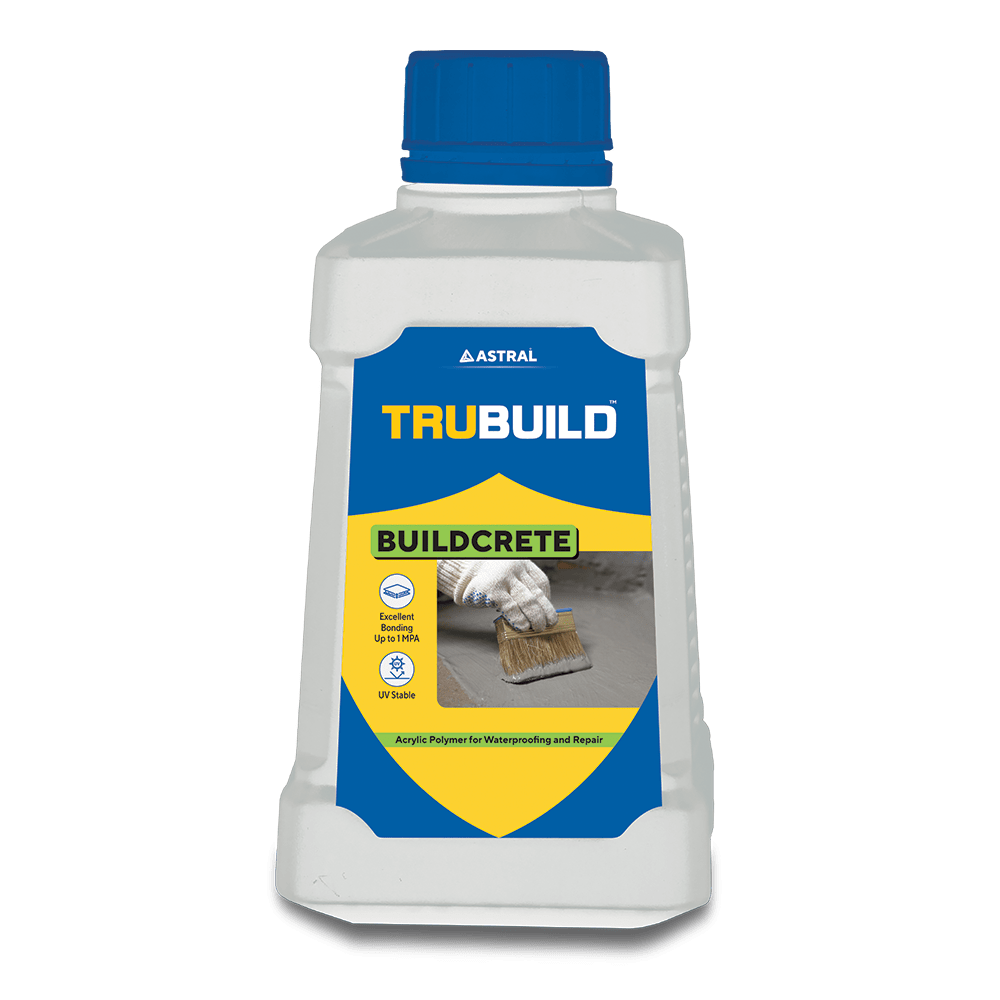
 Exterior Waterproofing
 Professional Sealants
 Roof Waterproofing
 Substructure Waterproofing
  Tiling and Grouting
 Water Tanks and Other Areas
  Wet Areas

 Home
HomeDifference Between Mortar and Concrete
May 11, 2026

At a glance, mortar and concrete look very similar, both are grey, cement-based materials used on construction sites. But using one in place of the other can lead to poor results or even structural failure. Knowing the difference between mortar and concrete is one of those basics that every homeowner, contractor and builder in India should have a clear grip on.
What is Mortar?
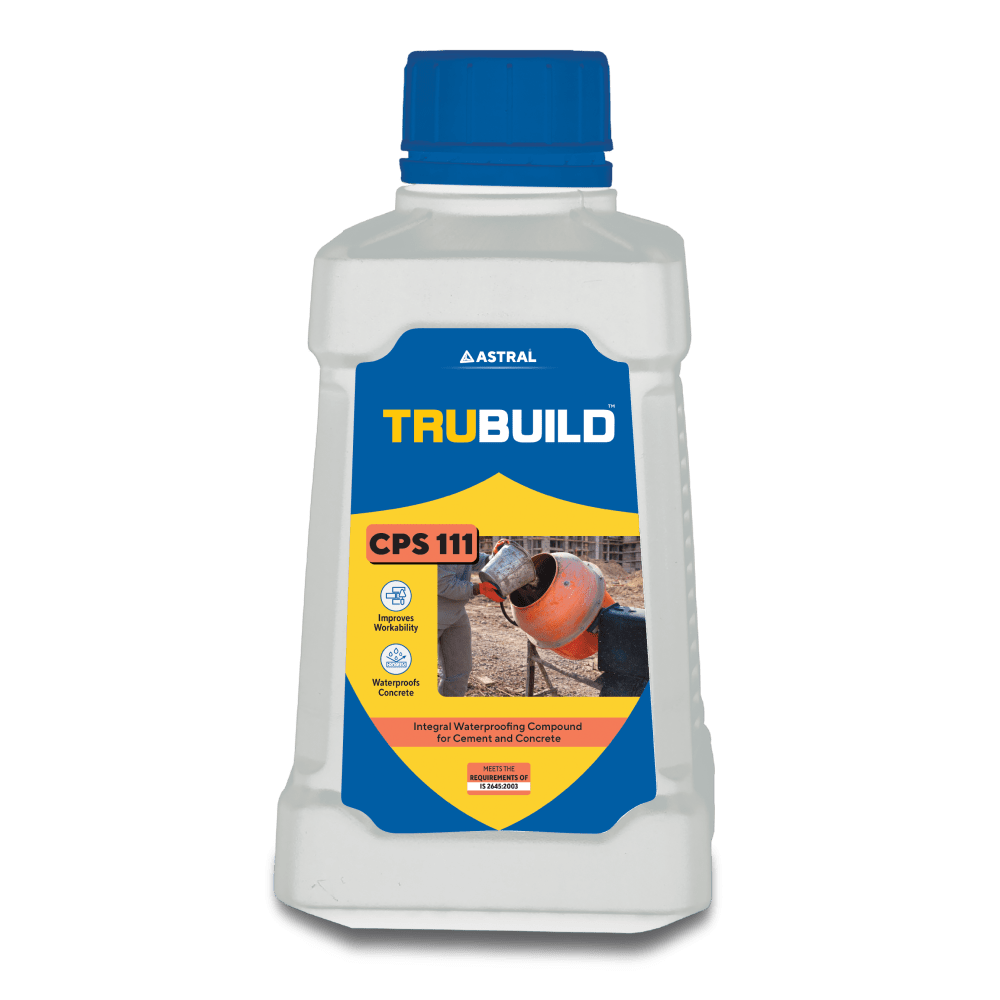
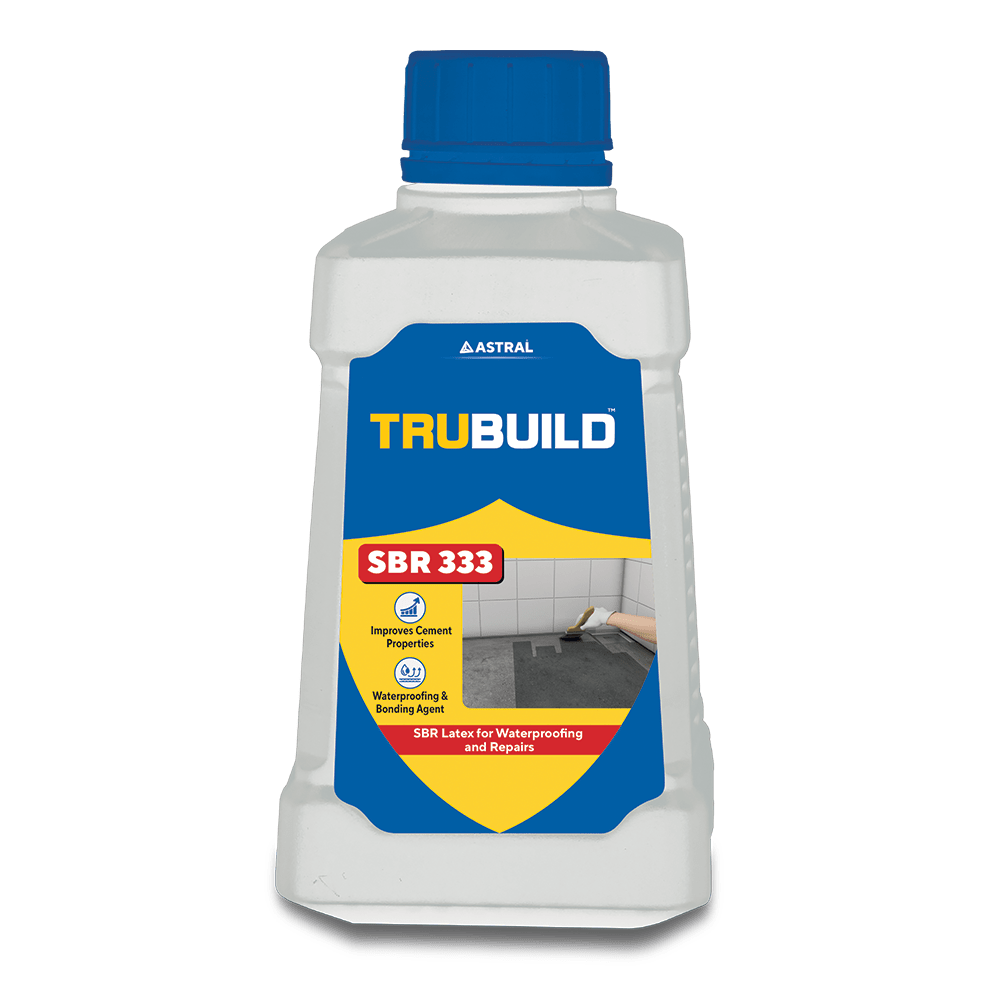
Mortar is a paste made from cement, fine sand and water. It is designed primarily as a bonding and bedding material rather than a structural one. Polymer additives are often mixed in to improve flexibility and water resistance, particularly useful in external or wet area applications. Astral TruBuild’s WPL 333 and BWP 222 are examples of polymer additives used to create high-performance mortar mixes for bonding, repair and waterproofing work.
What is Concrete?
Concrete is made from cement, fine sand, coarse aggregate (typically gravel or crushed stone) and water. The addition of coarse aggregate is what sets it apart from mortar; it gives concrete its high compressive strength and makes it suitable for load-bearing structural applications. Concrete is used wherever a structure needs to carry significant weight or span a distance, such as in slabs, columns, beams and foundations. Let us better understand the difference between mortar and concrete.
Mortar vs. Concrete
Here’s the clear difference between mortar and concrete:
|
Feature |
Mortar |
Concrete |
| Composition | Cement, fine sand, water, optional lime/polymer | Cement, sand, coarse aggregate (gravel), water |
| Coarse aggregate | No | Yes |
| Compressive strength | Lower (typically 5-10 MPa) | Higher (typically 20-40 MPa or more) |
| Consistency | Thick and paste-like | Fluid but less adhesive |
| Primary use | Bonding, plastering, pointing, tile fixing | Foundations, slabs, columns, structural elements |
| Durability | Good for bonding applications | High for structural applications |
| Flexibility | Can be improved with polymer additives | Less flexible |
Where Mortar is Used?
Mortar is the go-to material wherever you need to bond or bed building components:
- Laying bricks, blocks and stones in masonry walls
- Applying plaster on internal and external walls
- Fixing ceramic, vitrified or stone tiles on walls and floors
- Pointing (filling and finishing) joints in brickwork
- Repairing cracks and surface defects in concrete or masonry
Where Concrete is Used?
Concrete is used wherever structural strength and load-bearing capacity are required:
- Foundations and footings for buildings
- RCC (Reinforced Cement Concrete) slabs and roofs
- Columns, beams and shear walls
- Pathways, driveways and flooring slabs
- Precast elements like lintels, pipes and panel
Which is Better for Construction?
Neither mortar nor concrete is universally ‘better’, they are built for different jobs. Mortar excels at bonding and surface work. Concrete handles structural loads. Using mortar where concrete is required can result in structural weakness; using concrete where mortar is needed creates bonding problems due to its coarser texture and lower adhesion.
The right choice depends on the application. For repairs, bonding and plastering, mortar is the answer. For load-bearing structures, concrete is the correct material. Many construction projects require both, working together as part of a complete building system.
For high-performance concrete and mortar products, explore Astral Trubuild’s range is engineered for superior bonding, durability and waterproofing.
FAQ
Is mortar stronger than concrete?
No. Concrete is significantly stronger than mortar due to the presence of coarse aggregate, which adds compressive strength. Standard concrete has a compressive strength of 20 to 40 MPa or higher, while mortar typically falls in the 5 to 10 MPa range. Mortar is designed for bonding, not for bearing structural loads.
Can concrete replace mortar?
In most cases, no. Concrete lacks the adhesive and workable properties that mortar provides. Its coarser texture makes it unsuitable for thin-bed applications like tile fixing or plastering. Similarly, mortar cannot replace concrete in structural applications due to its lower strength. Each material is formulated for a specific purpose in construction.

