
 Concrete and Mortar
 Exterior Waterproofing
 Professional Sealants
 Roof Waterproofing
 Substructure Waterproofing
  Tiling and Grouting
 Water Tanks and Other Areas
  Wet Areas

 Home
HomeHow to Keep Your Room Cool in Summer?
May 29, 2026

Indian summers can make bedrooms and living rooms feel like ovens, even when the fan runs all day. If you are wondering how to keep your room cool in summer, the solution goes beyond just using air conditioners or coolers. Many Indian homes have walls that store heat, terraces that bake under direct sunlight and damp patches that increase indoor discomfort. Over time, families end up running cooling appliances for longer hours, leading to higher electricity bills. A smarter and more sustainable approach is to reduce heat gain at the building level by improving exterior walls, choosing heat-reflective colours and enhancing natural airflow, so rooms stay naturally cooler and more comfortable.
Why Do Rooms Become Hot in Indian Summers?
To cool a room effectively, it helps to know why it heats up.
Heat absorption through terraces and walls
Concrete roofs and plastered walls absorb solar heat. This stored heat slowly moves indoors and keeps rooms warm even after sunset.
Cracks, dampness and weak coatings
Small cracks, poor-quality coatings and damp patches allow water and moisture to enter the wall. Damp walls tend to store more heat and release it slowly.
Poor ventilation and air circulation
Closed windows, blocked ventilators, and clutter around openings trap hot air inside. Without cross-ventilation, warm air has no easy escape path.
These factors together increase indoor heat, reduce the comfort of fans and lead to more dependence on mechanical cooling. Now let us understand how to keep room cool in summer.
Best Ways to Keep Your Room Cool in Summer
A practical approach for Indian homes combines exterior protection, smart colours and better airflow rather than relying on one solution alone.
1. Use Exterior Wall Coating for Heat Control
Exterior wall coatings act like a protective layer over your home. Choose high-performance acrylic coatings to form a continuous film over masonry and plastered surfaces, which helps block direct water ingress and supports better wall performance under sun and rain. Look for flexible, crack-bridging coatings that can handle daily expansion and contraction due to temperature changes.
2. Waterproof Exterior Walls for Better Thermal Comfort
Waterproofing is often seen as a monsoon-only need, but it also supports comfort in summer. Dry walls behave differently from damp walls. When walls are properly waterproofed, they are less likely to develop damp patches, blistering and efflorescence. Dry walls tend to transmit less combined heat and moisture into interior spaces.
3. Choose Light-coloured Wall Paints
Colour plays a simple but powerful role in how hot or cool your home feels. Go for light shades such as white, off-white, cream and soft pastels that reflect more sunlight and absorb less heat than dark colours on exterior walls. On walls and near terraces, using light, reflective shades can help reduce surface temperature and support cooler rooms inside.
4. Improve Ventilation and air circulation
Airflow inside the home has a clear impact on comfort levels, especially in non-AC rooms. Cross-ventilation through opposite windows, ventilators or balcony doors allows hot indoor air to leave and brings in comparatively cooler outside air, especially in early mornings and late evenings. Ceiling fans, exhaust fans and well-placed openings help move air across rooms.
How Does Exterior Waterproofing Help Reduce Indoor Heat?
Waterproofing and heat control are closely linked, even though they may seem like different topics.
- When water and moisture do not enter the wall structure, there is less risk of dampness and weakened plaster. These dry walls tend to behave better under heat and humidity, which supports a more comfortable indoor environment.
- When a waterproofing system is combined with a reflective or high-SRI topcoat, the outer wall surface can stay cooler under strong sunlight, reducing the amount of heat that passes indoors.
By treating waterproofing and heat control together, homeowners can plan long-term solutions that work in both summer and monsoon. While you have understood how to keep room cool in summer, you should follow a few things to prevent the temperature from rising inside your house, with simple ways.
Common Mistakes that Make Rooms Hotter
Small decisions during painting or maintenance can unintentionally increase indoor heat.
- Using dark exterior colours on sun-facing walls that absorb more heat than lighter shades.
- Ignoring hairline cracks and damp patches, which allows water ingress and leads to higher thermal stress and peeling coatings.
- Skipping primer or basecoat and applying paint directly on dusty or weak surfaces affects adhesion and shortens the life of the coating.
- Allowing algae, fungus and dirt to build up on exterior walls affects both waterproofing and the reflective nature of the coating.
- Avoiding these mistakes and following a system-based approach helps walls stay stronger, and rooms feel cooler.
Why Choose Astral Trubuild for Exterior Wall Protection?
For homeowners and professionals who want a system-based solution from an established construction brand, Astral Trubuild offers specialised exterior wall waterproofing products for Indian conditions.
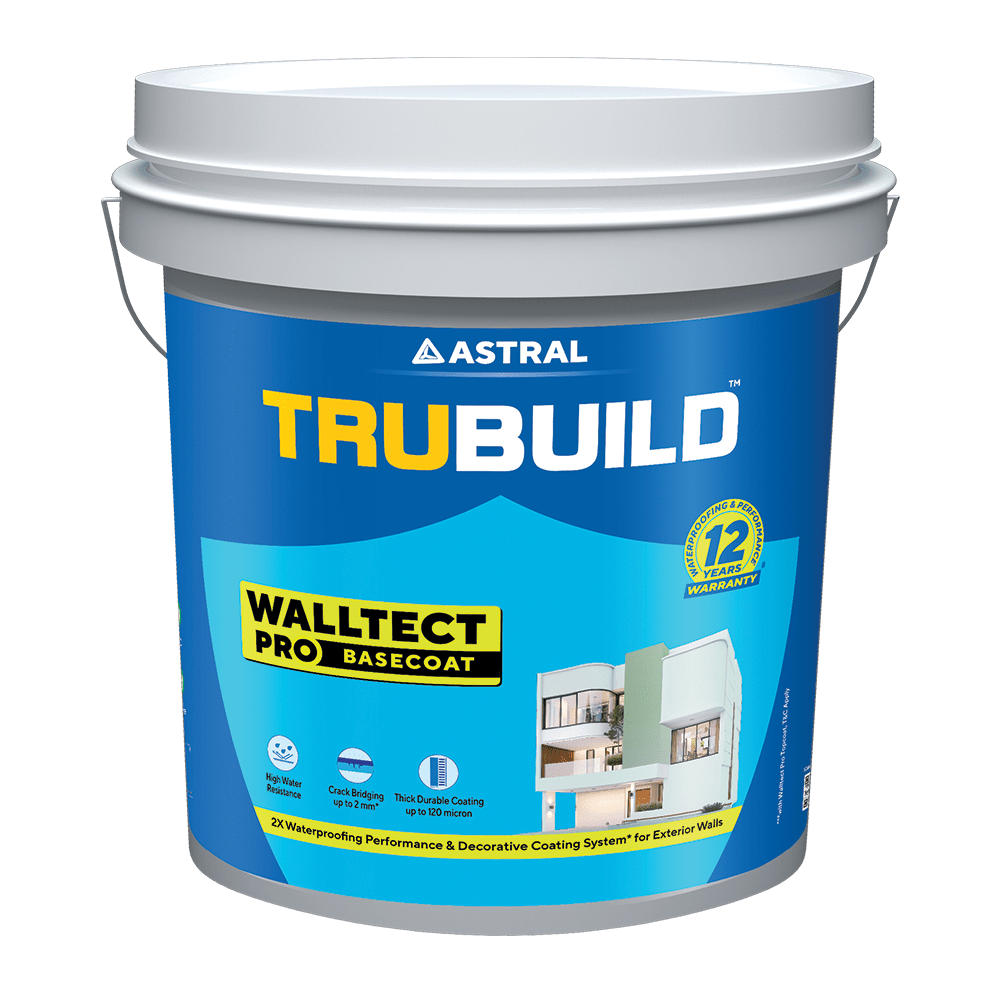
Trubuild Walltect Basecoat is a single-component acrylic-based waterproof coating for exterior walls. It is designed to provide strong adhesion, excellent water resistance and high elongation. It also allows water vapour to move out, so walls can breathe while still staying protected from rain.
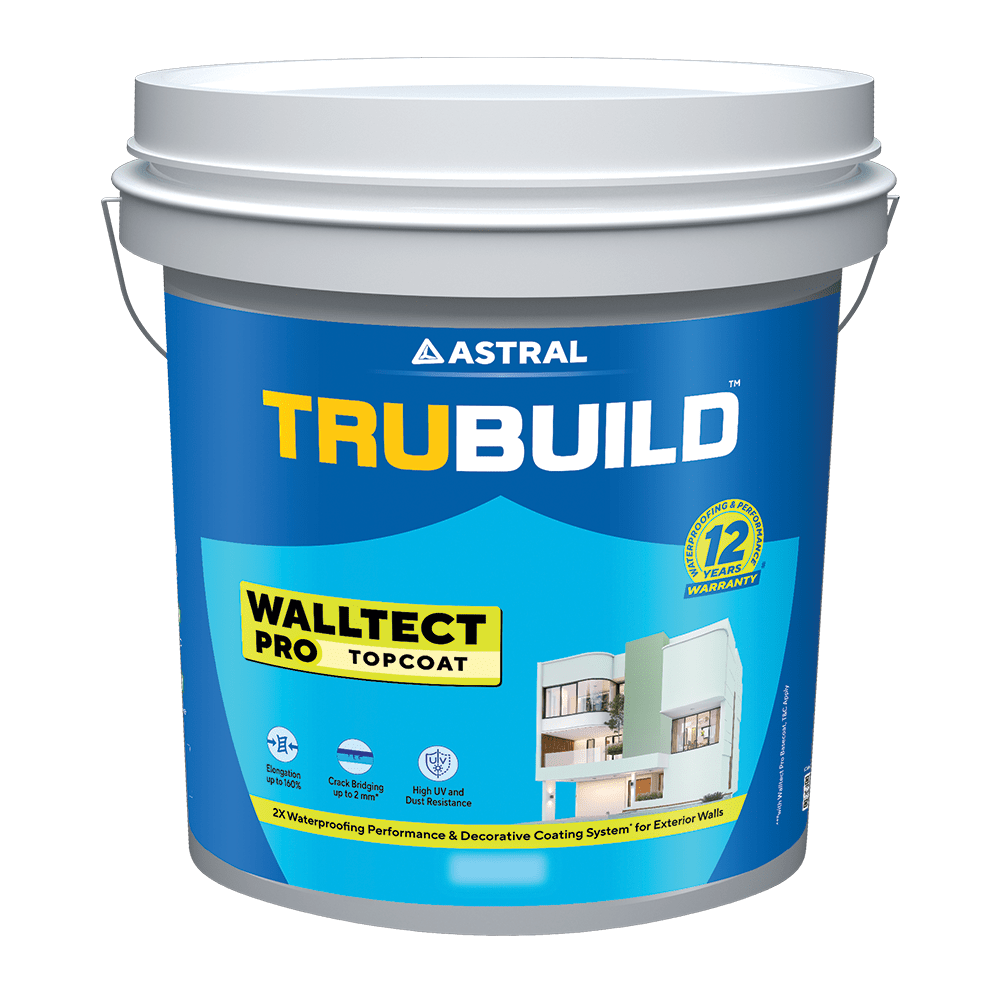
Trubuild Walltect Topcoat is an acrylic-based elastomeric decorative waterproof coating for exterior walls. It offers flexibility, good breathability, water resistance and resistance to the growth of fungus, along with strong UV resistance. Its high-SRI white base helps reflect more heat from the wall surface.
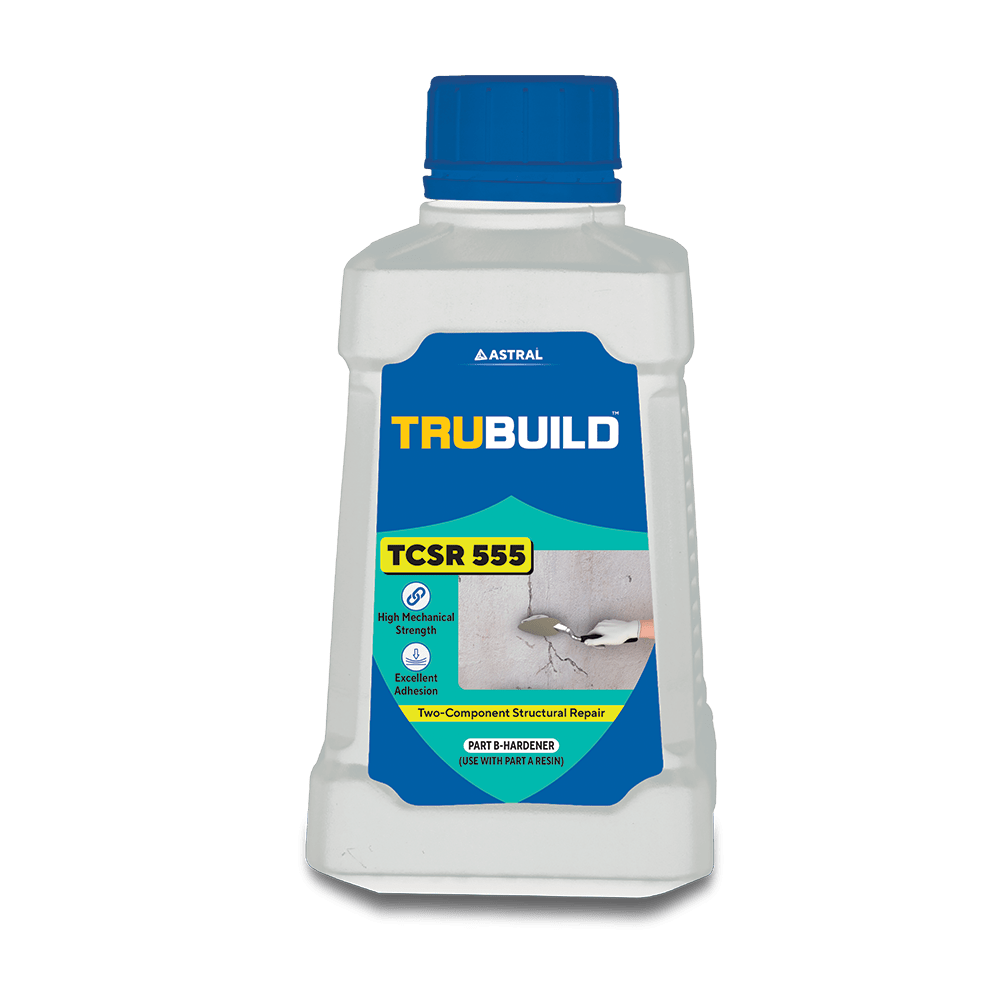
Wall epoxy also helps to repair damage on walls. It can be used before applying the coating. Our Astral Trubuild TCSR 555 is a solvent-free wall epoxy system designed for the repair of cracked and damaged concrete structures.
When Astral Trubuild Walltect Basecoat and Walltect Topcoat are used together as per the recommended system, they create a continuous protective envelope over exterior walls.
FAQ
How can I cool my room without AC?
You can combine exterior waterproofing and reflective coatings, light-coloured exterior paints, cross-ventilation and fans, shading with curtains or blinds, and avoiding heat-generating appliances during peak hours. Together, these steps help reduce heat gain and improve comfort without depending only on air conditioners.
Does wall coating reduce heat?
Wall coatings that offer waterproofing, flexibility and high SRI or reflective properties can support lower surface temperatures on exterior walls, which in turn can reduce heat transmitted indoors. The Astral Trubuild Walltect system focuses on waterproofing, thermal stress resistance and UV resistance for long-term building envelope performance.
Is waterproofing useful in summer?
Yes, waterproofing helps keep walls dry and structurally sound, which supports better insulation and more stable indoor temperatures in both summer and monsoon seasons. It also protects against future issues like peeling paint, efflorescence and mould, which can affect both comfort and maintenance costs.
Which paint keeps walls cool?
Exterior paints and coatings in light shades with good UV resistance and high SRI values are generally better for keeping walls cooler. Systems such as Astral Trubuild Walltect Topcoat in light base shades can support reflective performance along with waterproofing and crack-bridging benefits.

