
 Concrete and Mortar
 Exterior Waterproofing
 Professional Sealants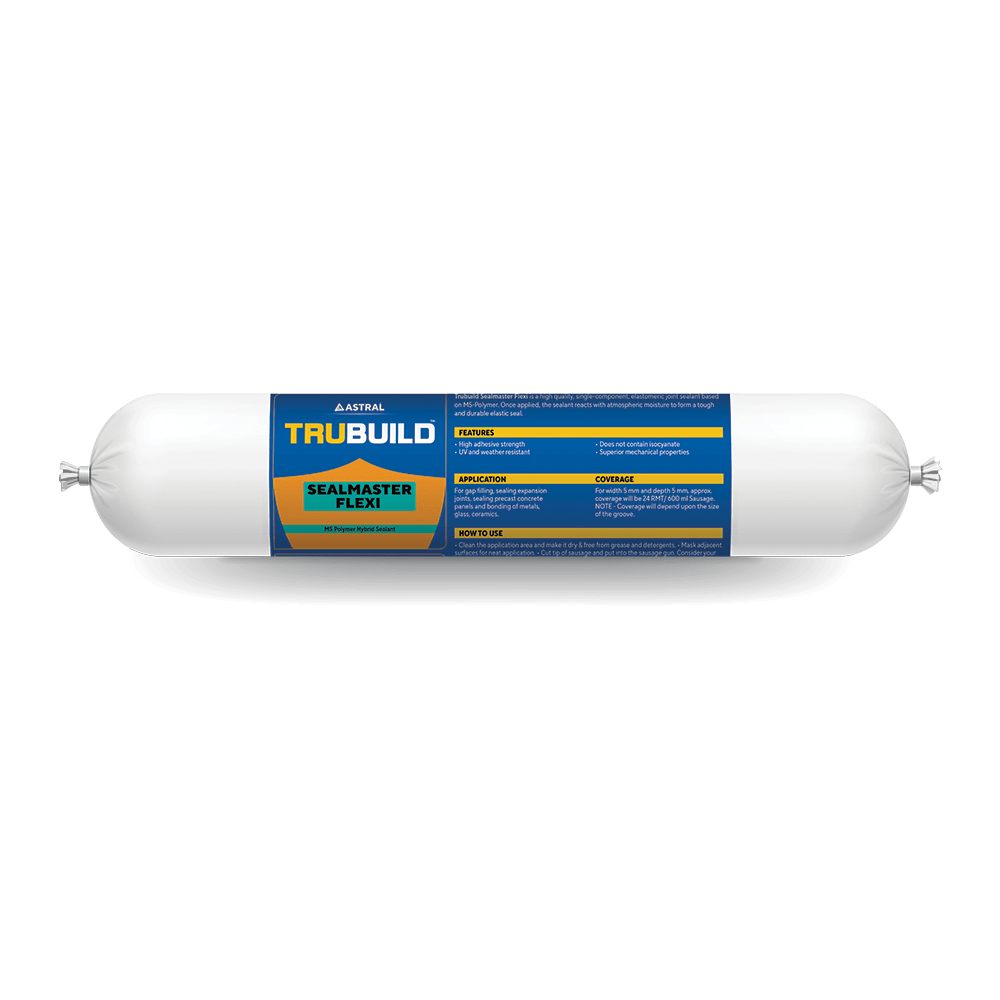
 Roof Waterproofing
 Substructure Waterproofing
  Tiling and Grouting
 Water Tanks and Other Areas
  Wet Areas

 Home
HomeWhat is an Expansion Joint?
Mar 11, 2026

Have you ever noticed thin, deliberate gaps running through the floors of a large shopping mall or along the sides of a bridge? You might have assumed the work was unfinished, or that the structure was slowly pulling apart. In reality, those gaps are one of the most intelligent features of modern engineering.
In a country like India, where temperatures can swing from blistering summer heat to relentless monsoon rains, buildings are constantly on the move. Without a way to manage this movement, our homes and infrastructure would crack under the pressure. This is exactly where the concept of an expansion joint becomes a lifesaver for any structure.
What is an Expansion Joint in Construction?
An expansion joint is a structural gap designed to safely absorb the expansion and contraction of building materials caused by temperature changes. Concrete, steel, brick, and most other building materials change size when temperatures rise and fall. Think of it as a breathing space for a building. By creating a deliberate break in the structure, engineers allow different sections to move independently without pushing against each other. This prevents the build-up of internal stress that can lead to serious structural failures.
Why are Expansion Joints Important?
Buildings are not exactly static structures. They vibrate in the wind, shift as the ground settles and expand when exposed to direct sunlight. If a structure were one solid, continuous block, those forces would have nowhere to go. An expansion joint acts as a buffer that absorbs energy and movement. It stops materials from either crushing against each other or pulling apart. Without these joints, both the appearance and structural health of a building face constant risk.
What are the Types of Expansion Joints?
Different structures require different approaches to managing movement. Here are three common types found across India:
1. Building Expansion Joints
Used in large residential and commercial complexes, these allow separate wings or sections to move without causing cracks in walls or floors.
2. Bridge Expansion Joints
Bridges face heavy traffic loads and significant temperature swings. They need robust joints that can handle constant vibration and wide thermal changes.
3. Pavement Expansion Joints
Found on concrete roads and highways, these prevent slabs from buckling upwards during peak summer heat.
What is an Expansion Joint Sealant?
A gap alone solves one problem but creates another. An open joint allows water to seep in and debris to collect. This is where an expansion joint sealant becomes necessary. An expansion joint sealant is a flexible material used to fill the gap while still allowing the joint to move freely.
Where are Expansion Joints Used?
You can find an expansion joint in almost any large-scale construction project:
- Bridges: To handle significant thermal loads and the weight of heavy traffic
- Buildings: In roofs, facades and large floor areas where sections meet
- Roads: To maintain a smooth surface across individual concrete slabs
- Parking Structures: Where temperature changes are frequent and water protection is vital
What Happens When Expansion Joints are Missing?
Without a properly maintained expansion joint, the consequences can be costly:
- Structural Cracks: Internal stress builds until the concrete snaps
- Leakage: Open gaps allow water to enter the foundation, leading to dampness and rusted reinforcement bars
- Concrete Damage: Slab edges chip and break as they grind against each other
Why Choose Trubuild Sealmaster Flexi?
Trubuild Sealmaster Flexi is a single-component product, so there is no mixing needed. Simply load the 600 ml sausage into a sausage gun and apply it in a steady, continuous flow. It is permanently elastic after curing, UV resistant and offers excellent weather resistance, so it does not become brittle under the harsh Indian sun. It can be painted over, allowing it to blend seamlessly with the rest of the structure. The product does not contain isocyanates, making it a safer option for workers on site and for the wider environment.
Understanding what is an expansion joint is an important step towards building structures that last for decades. These gaps are essential features that give a structure flexibility and safety. By sealing them with a reliable expansion joint sealant, you protect your construction from water, weather and wear throughout its lifetime.
FAQ
What is the purpose of an expansion joint?
An expansion joint allows building materials to expand and contract with temperature changes without causing structural cracks or damage. It acts as a planned break in the structure so that separate sections can move independently.
Where are expansion joints used?
They are commonly found in bridges, large buildings, concrete roads and parking structures, anywhere movement between separate sections of a structure is expected.
What sealant is used for expansion joints?
A flexible, elastomeric material is needed. Trubuild Sealmaster Flexi is a preferred choice because it offers high adhesive strength, remains permanently elastic after curing and withstands UV and weather exposure without cracking or chalking.

