
 Concrete and Mortar
 Exterior Waterproofing
 Professional Sealants
 Roof Waterproofing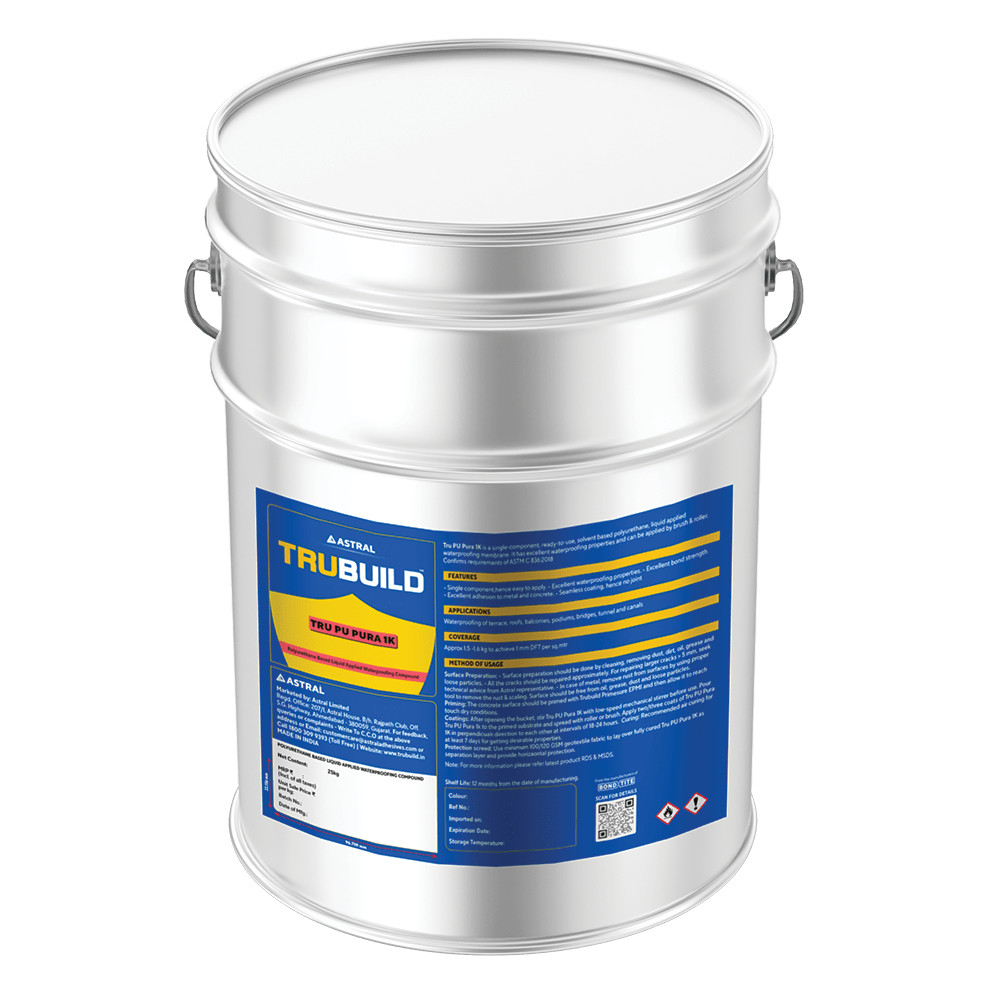
 Substructure Waterproofing
  Tiling and Grouting
 Water Tanks and Other Areas
  Wet Areas

 Home
HomeWhat is Membrane Waterproofing? How Does it Work?
Feb 9, 2026
Have you ever noticed damp patches appearing on your ceiling right after the first monsoon shower? Perhaps you have seen paint peeling off your exterior walls or felt a musty smell in your basement that simply will not go away. For many Indian homeowners, water leakage is a recurring nightmare that seems to return every year. You might wonder if there is a way to seal your home against the elements once and for all. This is where membrane waterproofing becomes a vital part of modern construction. It acts as an invisible shield, keeping the structure of your house dry and strong even during the heaviest downpours.
What Is Membrane Waterproofing?
At its core, membrane waterproofing is a thin layer of water-tight material that is applied to a surface. Think of it as a raincoat for your building. This layer prevents water from seeping into the concrete slabs, walls, or foundations. Without this protection, concrete, which is naturally porous, absorbs moisture. Over time, this moisture can rust the steel bars inside the concrete and weaken the entire building.
In 2026, the construction industry in India has moved towards more advanced solutions to tackle our unique climate. We deal with extreme heat and intense humidity, followed by heavy rainfall. A high-quality membrane is designed to expand and contract with the building as temperatures change, ensuring the seal remains intact.
Types of Membrane Waterproofing Systems
There are several ways to apply this protection, but two main types dominate the Indian market today.
1. Sheet Membranes
These are factory-made rolls of waterproof material. Workers unroll them onto a surface and join the edges using heat or adhesives. While effective, they can be difficult to apply on surfaces with many corners, pipes, or irregular shapes.
2. Liquid Membrane Waterproofing
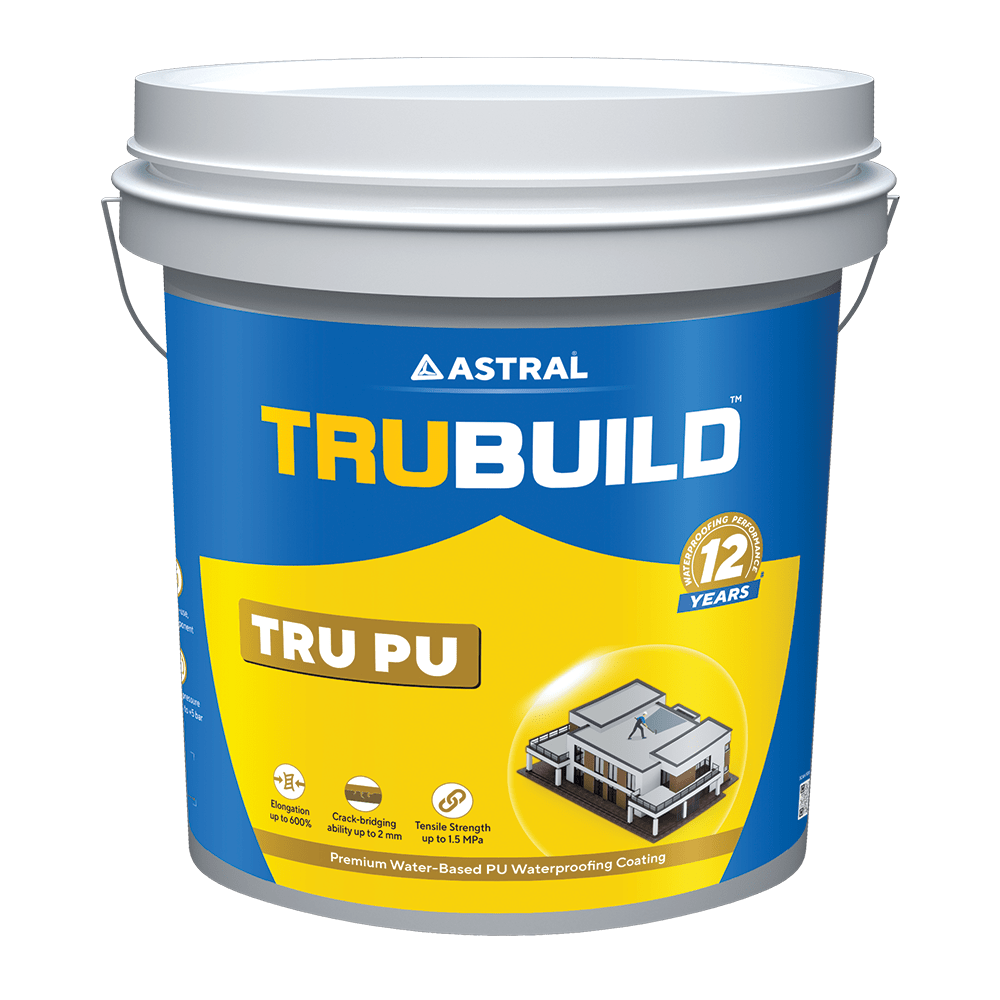
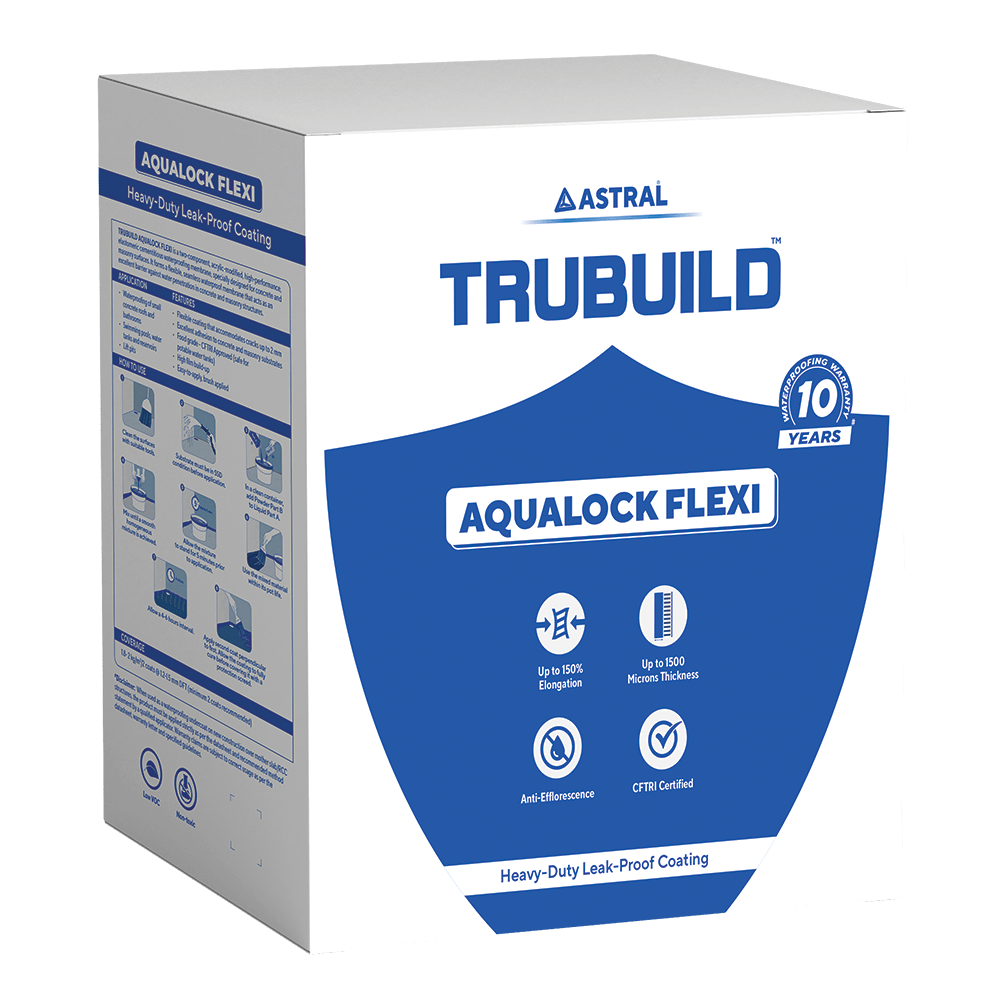
This system is becoming the preferred choice for many residential and commercial projects. Liquid membrane waterproofing involves applying a liquid coating, often using a brush, roller, or spray. Once it dries, it forms a seamless, rubber-like elastic layer. Because it starts as a liquid, it fills every tiny crack and covers complex shapes easily. Products like Trubuild WPM Tru-PU or Trubuild Aqualock Flexi are excellent examples of this technology. They provide a joint-free finish which eliminates the risk of leaks at the seams.
Where Is Membrane Waterproofing Used?
Water can find its way into a building from multiple entry points. Therefore, different areas require specific applications:
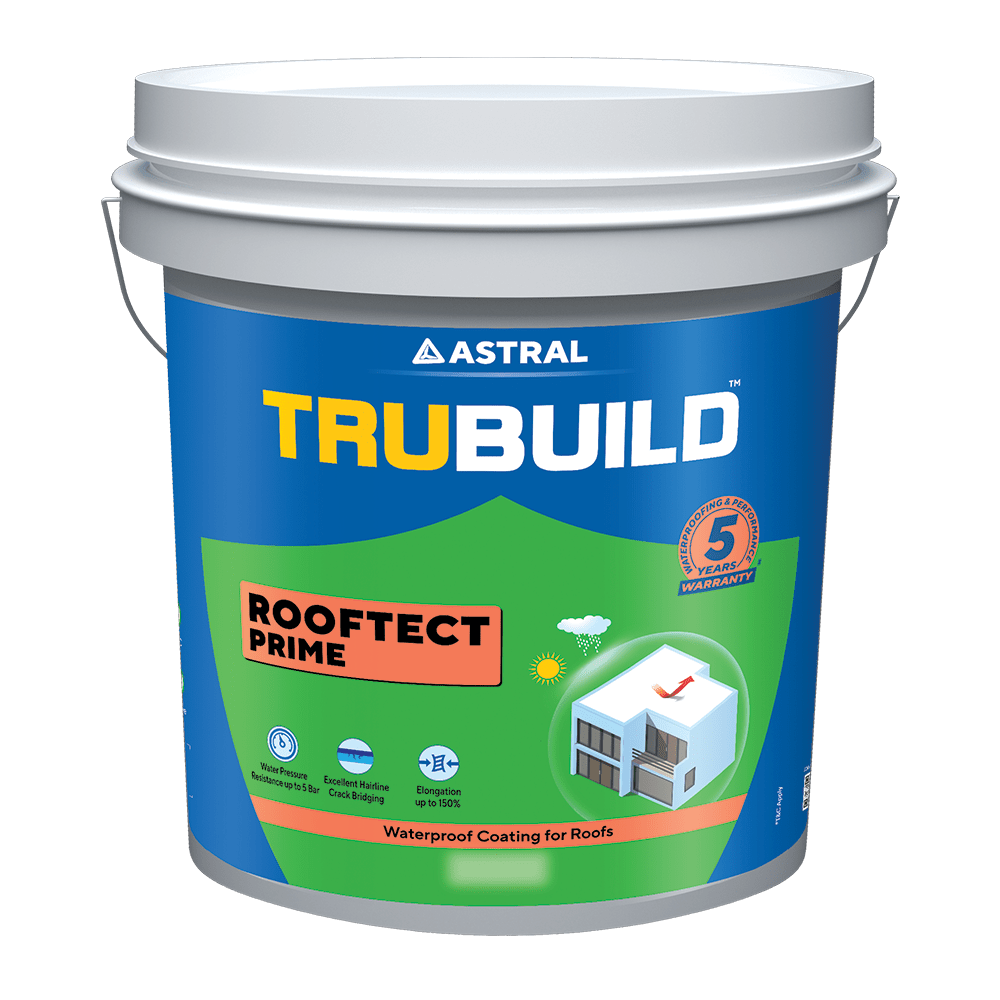
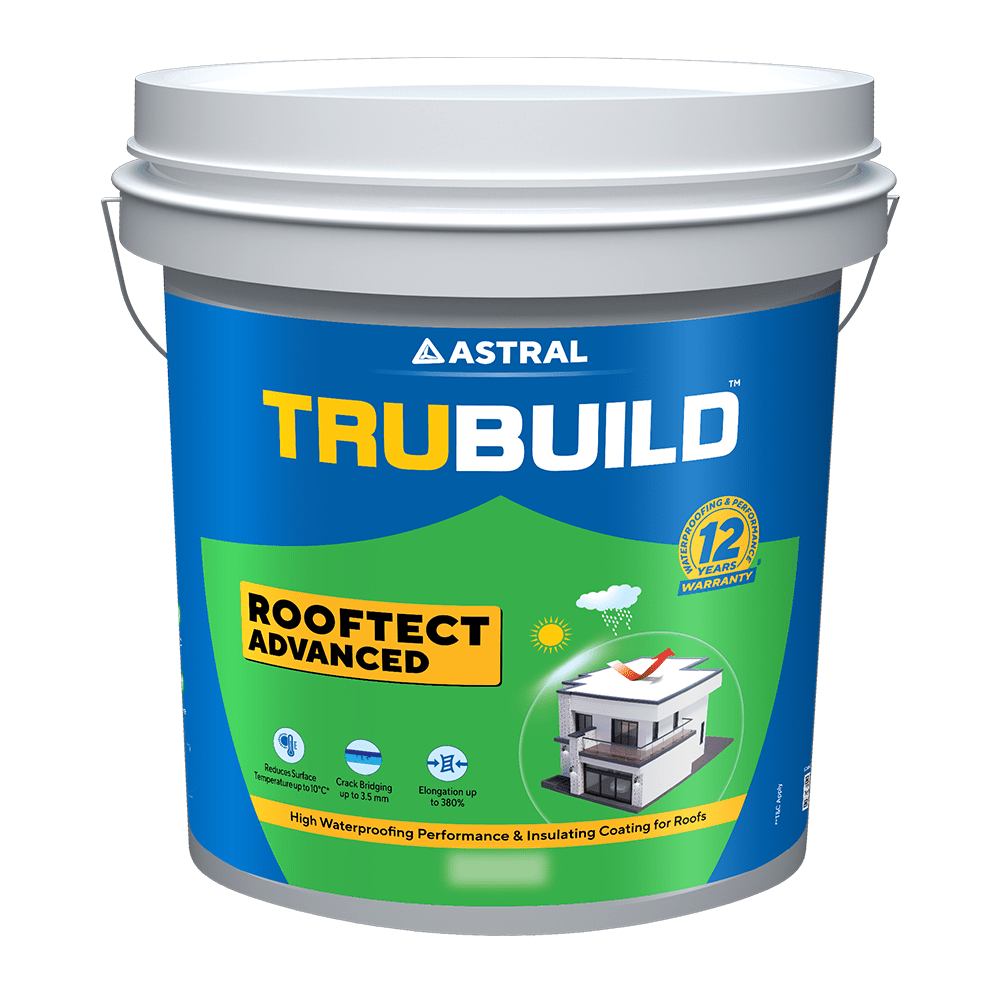
- Terraces and Roofs: Since these areas face direct sunlight and rain, they need a flexible membrane that can handle thermal expansion.
- Bathrooms and Kitchens: These areas require a barrier under the tiles to prevent water from leaking into the rooms below.
- Basements and Foundations: Protection here prevents groundwater from rising up through the floor or walls.
- External Walls: A liquid membrane can be used as a protective coating to stop rainwater from penetrating the facade.
|
Feature |
Sheet Membrane |
Liquid Membrane Waterproofing |
| Application | Rolls joined with heat | Easy brush or roller application |
| Seams | Many joints/seams | Seamless and joint-free |
| Flexibility | Moderate | High elasticity |
| Ideal For | Large, flat areas | Complex shapes and corners |
Advantages of Membrane Waterproofing
Choosing to apply a membrane waterproofing offers long-term peace of mind. Here are the primary benefits:
1. Complete Barrier Against Moisture
A primary benefit is the total exclusion of water. By using a liquid membrane waterproofing solution, you create a continuous shield that does not have weak points like joints or overlaps.
2. Enhanced Durability of the Structure
Water is the biggest enemy of concrete. By keeping the structure dry, you prevent the corrosion of reinforcement steel. This extends the life of your home by decades.
3. Resistance to Chemicals and UV Rays
Modern solutions from Astral Trubuild are designed to resist harsh UV rays and common chemicals. This is particularly important for rooftops in India where the sun can be quite intense.
4. Cost-Effectiveness
While the initial application has a cost, it saves a significant amount of money in the long run. You avoid the recurring expenses of repairing damp walls, repainting, or fixing structural damage caused by leaks.
Astral Trubuild Waterproofing Membranes
Here are our two notable waterproofing membranes:
1. Trubuild Waterproofing Membrane TRU PU
It is a single-component, polyurethane liquid membrane. It is best for areas that require high elasticity and crack-bridging. It is ideal for wet areas (bathrooms/toilets), foundations, and retaining walls. It has very high elongation, meaning it is very stretchy and can handle movement in the structure without cracking.
2. Trubuild Aqualock Flexi
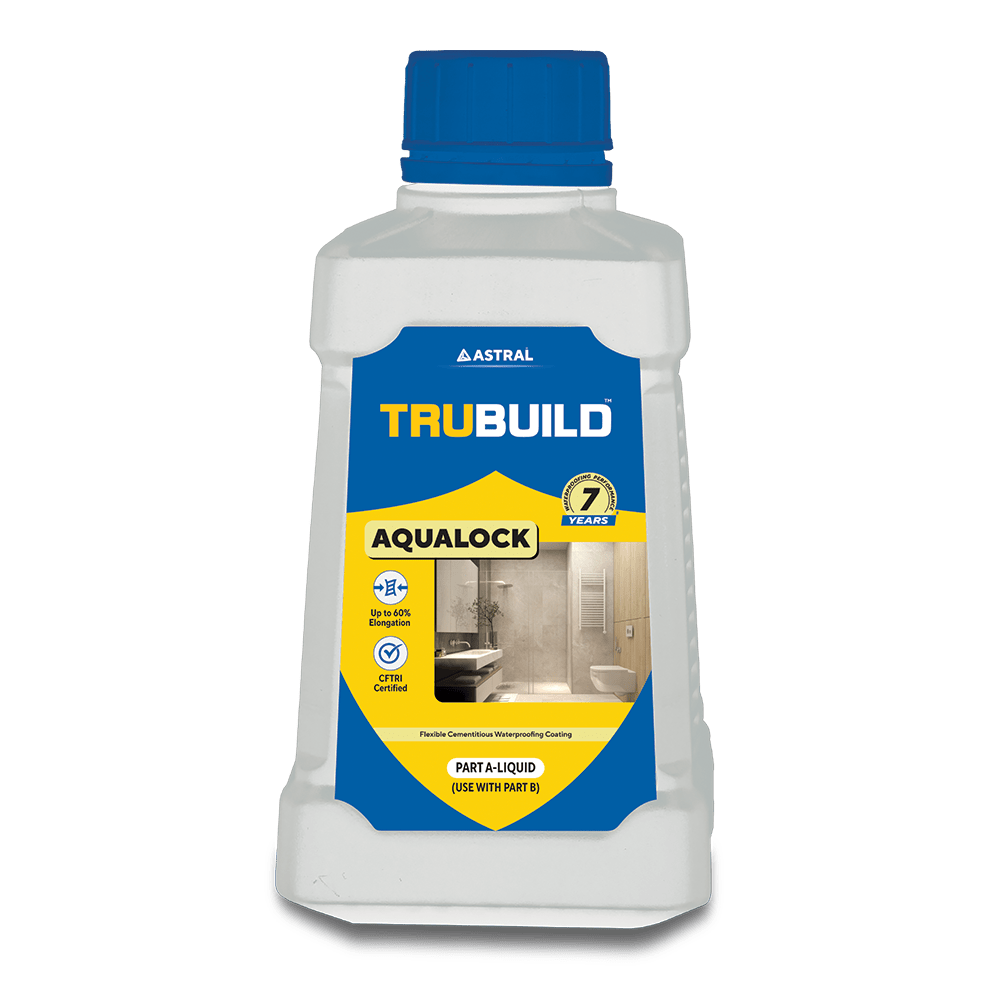
It is a two-component system (liquid polymer + powder) that you mix together.
It is best for water tanks and swimming pools. Because it is food grade (CFTRI certified) and non-toxic, it is safe for potable water storage. It can withstand both positive and negative water pressure. This means it works even if water is trying to push through the wall from the outside (like in a basement or lift pit).
Protecting your home from water damage is not just about aesthetics; it is about safety and longevity. Understanding what membrane waterproofing is allows you to make an informed choice for your property. Whether you are building a new house or renovating an old one, opting for a high-quality liquid membrane waterproofing system ensures that your sanctuary remains dry and healthy for years to come.
FAQ
What is membrane waterproofing used for?
It is used to create a water-resistant barrier on surfaces like roofs, balconies, basements, and bathrooms. It prevents water from entering the structural elements of a building.
Is membrane waterproofing permanent?
While no material lasts forever, a high-quality membrane applied correctly can protect a building for many years. Regular inspections and choosing the right product for the specific area help in maintaining its effectiveness.
What is liquid membrane waterproofing?
It is a liquid coating that cures into a seamless, elastic, and waterproof layer. It is highly effective for areas with many corners or pipes because it forms a continuous bond without any joints.
Which is better: sheet membrane or liquid membrane waterproofing?
Liquid membranes are often considered better for residential use in India because they are easier to apply on irregular surfaces and offer a seamless finish, which reduces the chances of human error during installation.

