
 Concrete and Mortar
 Exterior Waterproofing
 Professional Sealants
 Roof Waterproofing
 Substructure Waterproofing
  Tiling and Grouting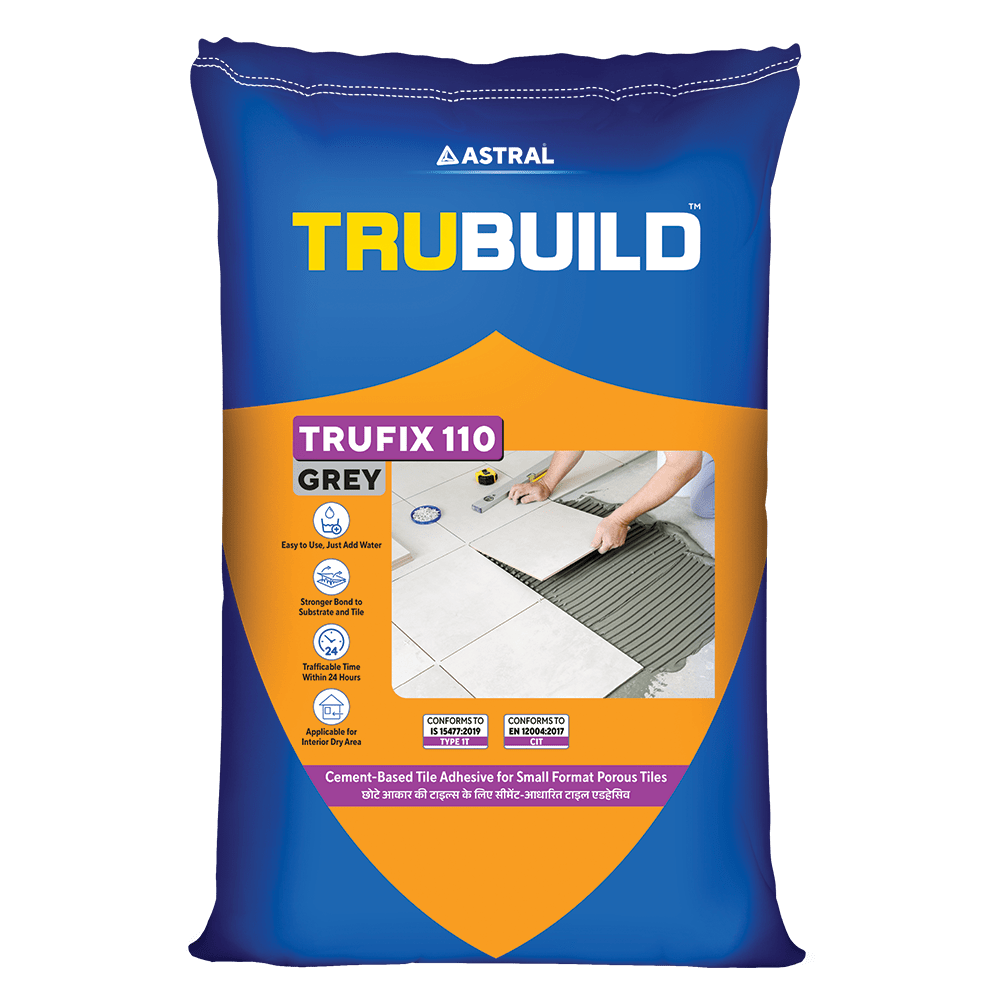
 Water Tanks and Other Areas
  Wet Areas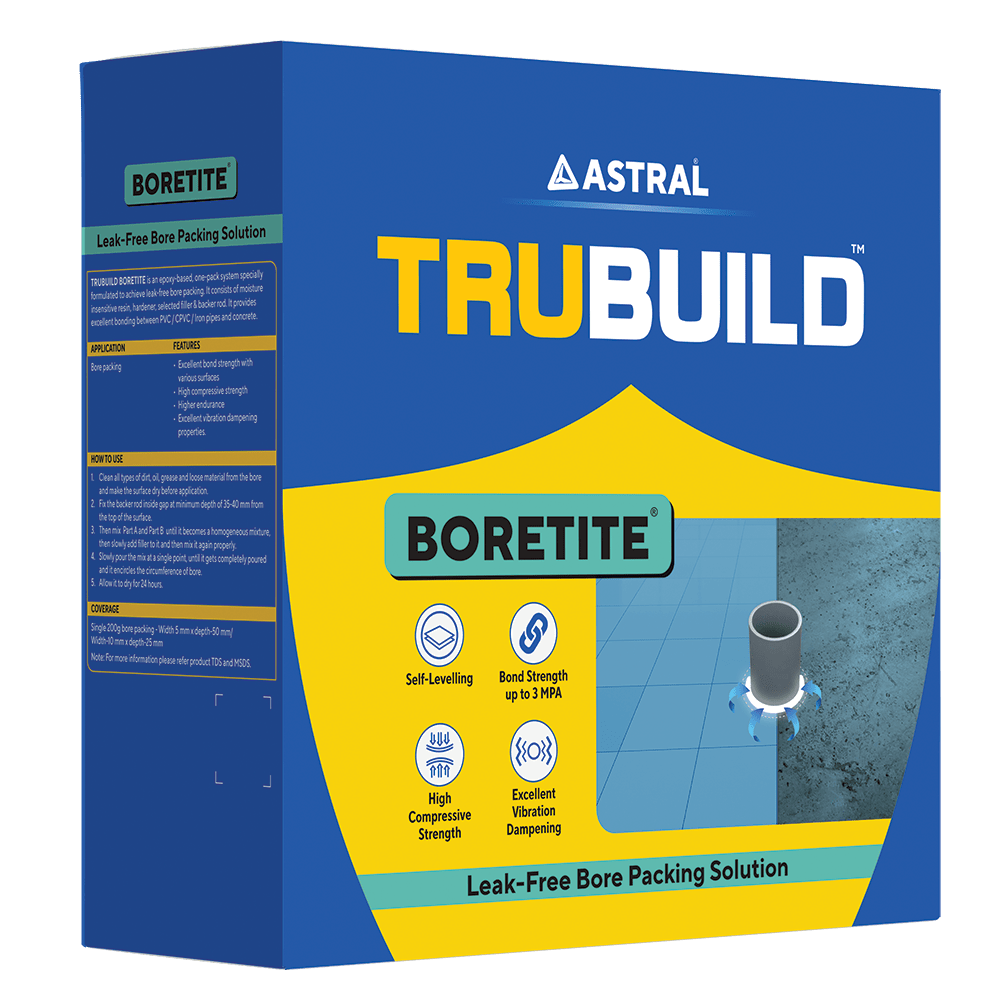

 Home
HomeDifferent Types of Tile Adhesives and Their Applications
Dec 23, 2025
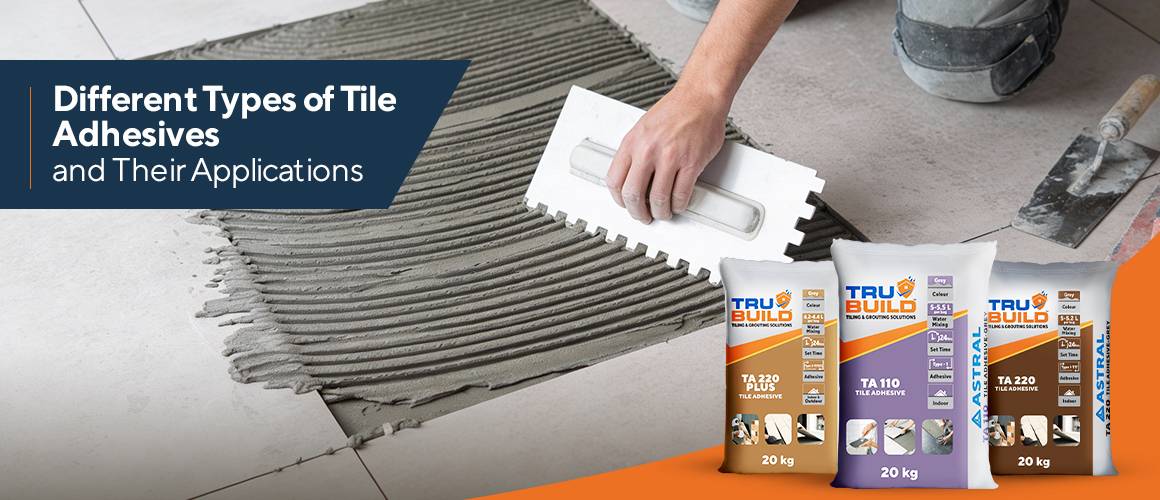
You tile your kitchen floor at home during the monsoon season. Water seeps in, tiles lift and cracks appear. Many people face this issue with old methods. Tile adhesives change that story. They offer stronger bonds that last in our humid climate. This guide covers types of tile adhesives, tile cement comparisons and real uses to help you choose the right one.
Why Tile Adhesive Matters More Than Traditional Cement?
Traditional tile cement often fails in wet areas like bathrooms. It cracks under heat or moisture, common in Indian summers. Tile adhesives grip better and flex with temperature shifts. People notice tiles stay put longer with tile adhesives. They save time on fixes and cut repair costs.
Key benefits include:
- Strong hold on uneven surfaces
- Quick setting in varied weather
- Less mess during application
Tile cement mixes need sand and water, which leads to weak spots. Tile adhesives come ready-mixed for ease.
Types of Tile Adhesives
Each type of tile adhesive suits specific needs. Here are the main types of tile adhesives:
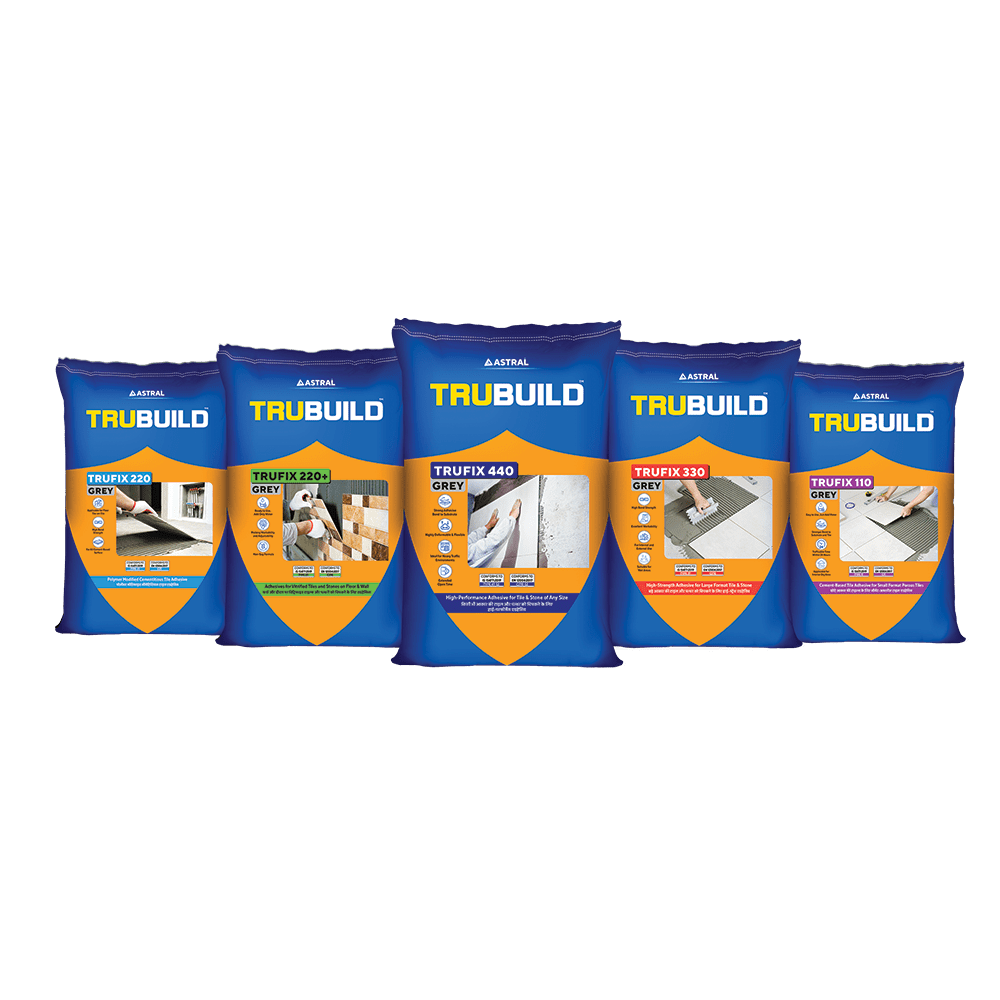
1. Cement-Based Tile Adhesives
These mix with water and work well for basic jobs. They suit dry indoor areas.
- Thin-set types: Spread thin, ideal for small ceramic tiles. Use on floors in living rooms.
- Medium-set types: Thicker mix for outdoor walls. Handles rain exposure in places like Bangalore.
Expect drying in 24 hours. Popular for budget homes.
2. Polymer-Modified Tile Adhesives
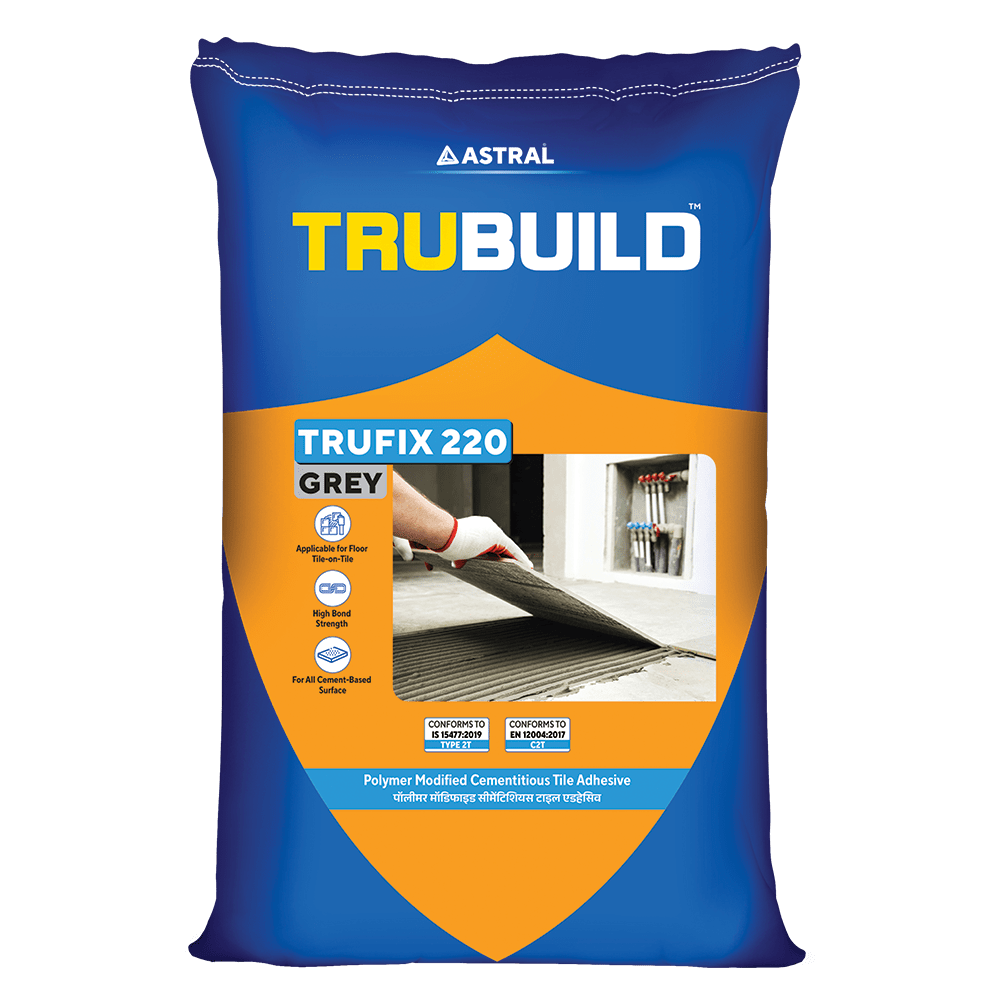
Polymers add strength. They flex and resist water, great for Indian monsoons.
Benefits stand out:
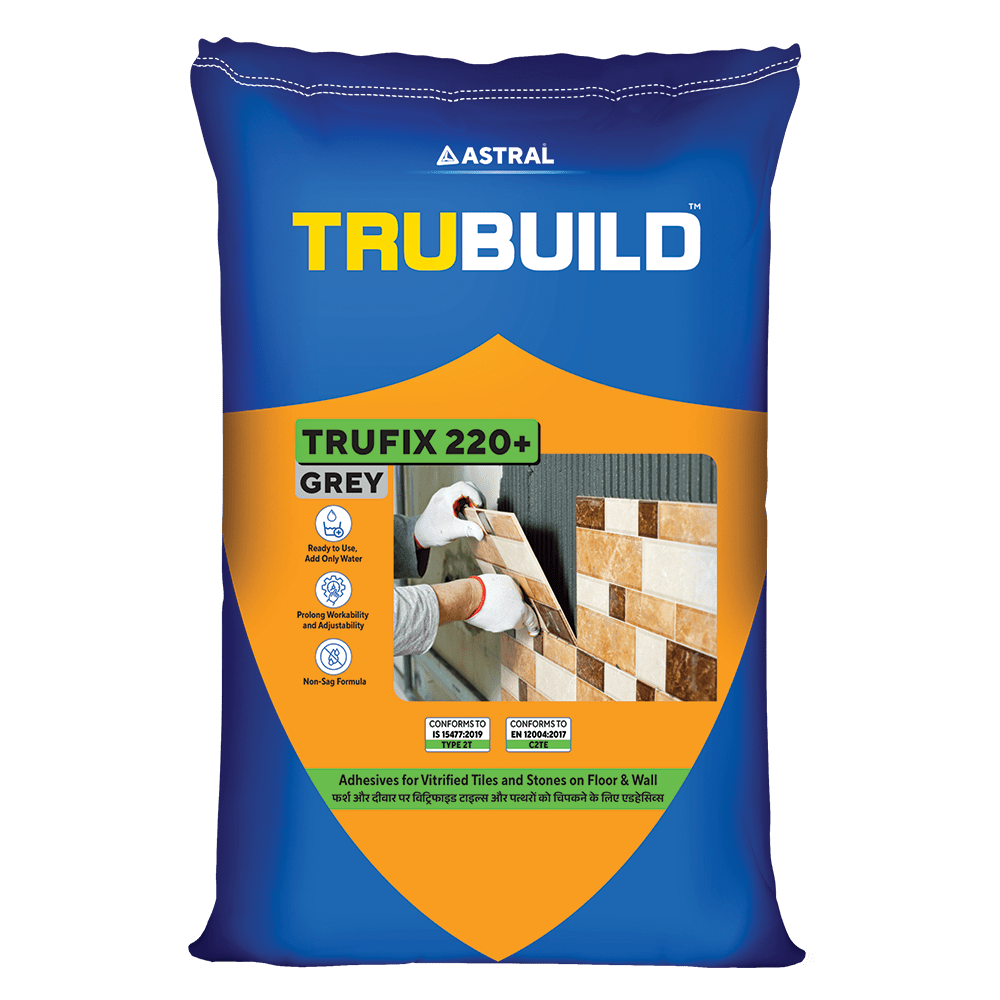
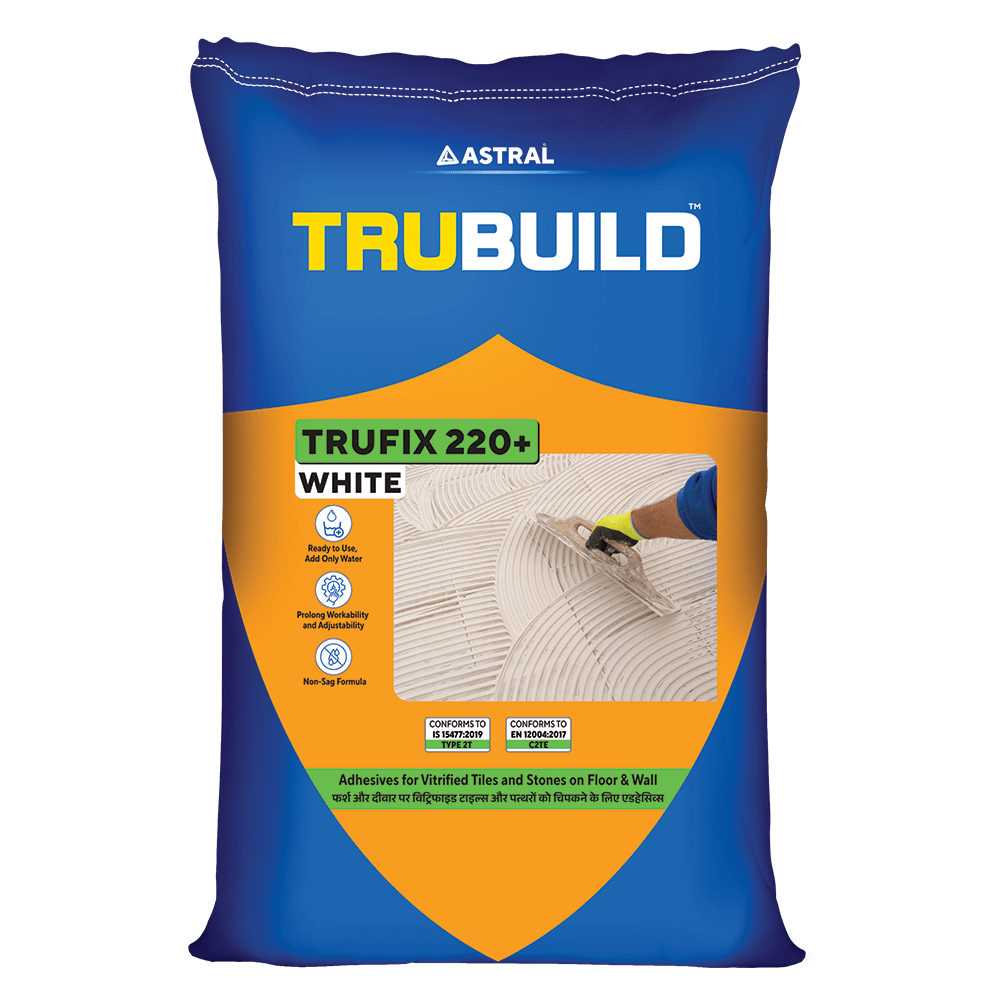
- Better grip on porcelain or vitrified tiles
- Works on large formats over 60×60 cm
- Low dust during mixing
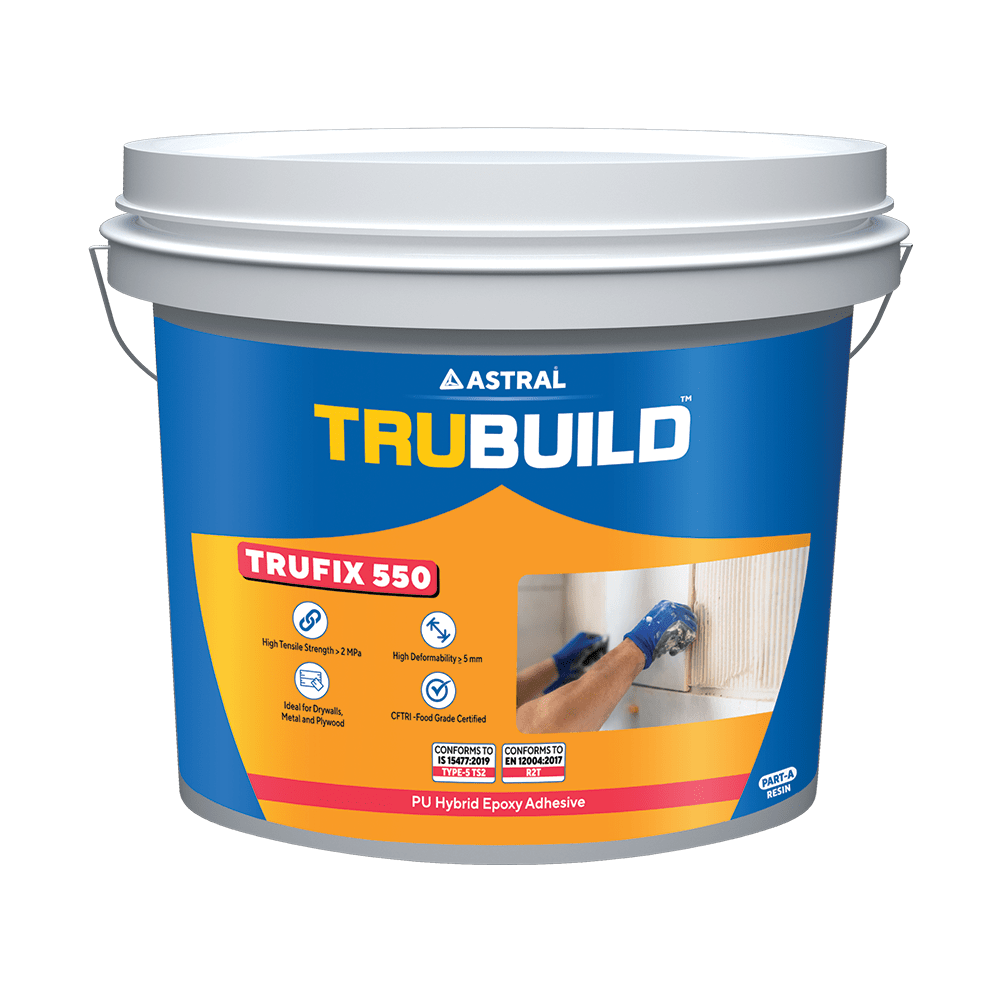
3. Epoxy Tile Adhesives
Epoxy mixes resin and hardener for top strength. They shine in heavy-use zones.
Key facts:
- Waterproof and suitable for swimming pools
- Chemical-resistant for factories
- High cost, but lasts decades
- Use for premium bathroom projects.
4. Ready-Mix Tile Adhesives
No mixing needed. Open the pack and apply. Perfect for DIY in small flats. Tile cement falls short here as it lacks these options.
Applications Based on Area
Match tile adhesives to your space for the best results. Indian homes vary from compact apartments to spacious villas.
1. Indoor Floors and Walls
Cement-based or polymer-modified tile adhesives fit living rooms and bedrooms.
2. Bathrooms and Kitchens
Go for polymer or epoxy types. Water splashes demand waterproof bonds. Tile cement often peels here.
3. Outdoor and Balconies
Epoxy or medium-set cement-based holds against sun and rain.
4. Commercial Spaces
Ready-mix or epoxy for shops and offices. Quick install cuts downtime.
Tile adhesives beat tile cement for modern Indian homes. Pick from types of tile adhesives based on your area and budget. Strong bonds mean less hassle and a longer life for your tiles.
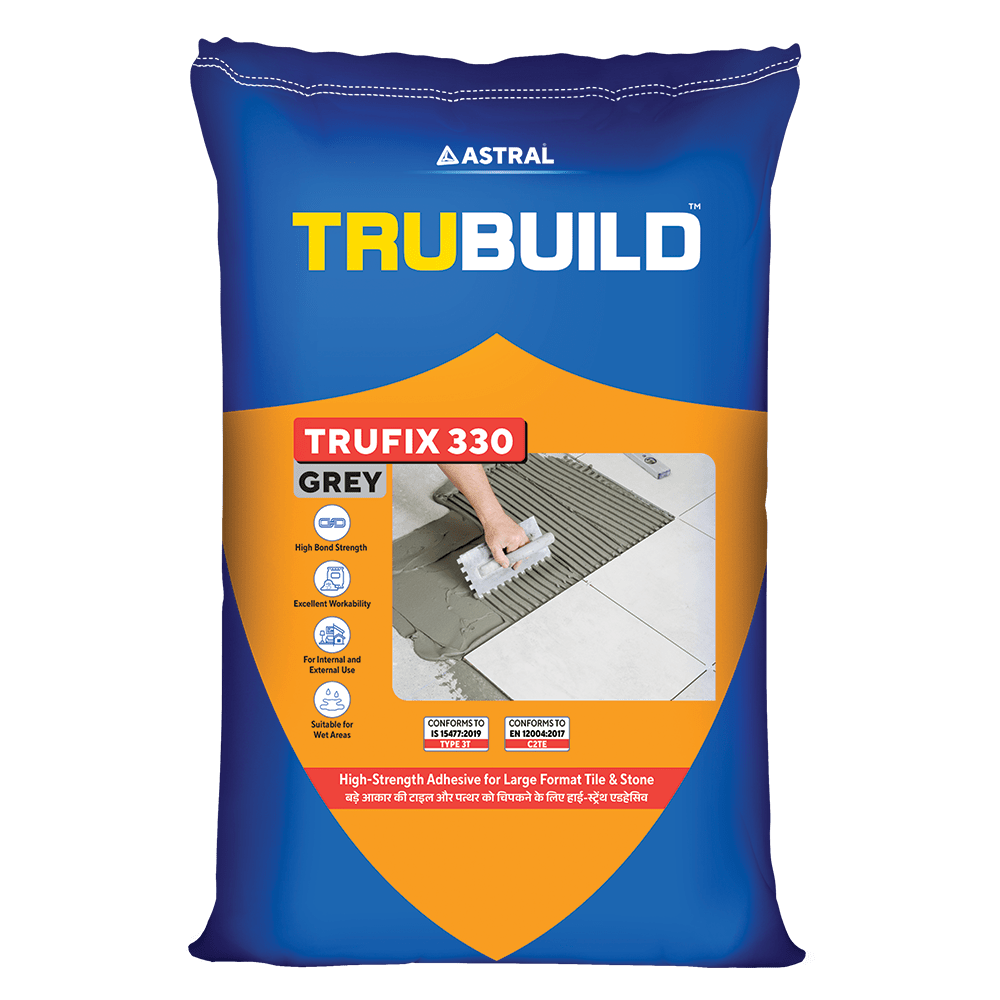
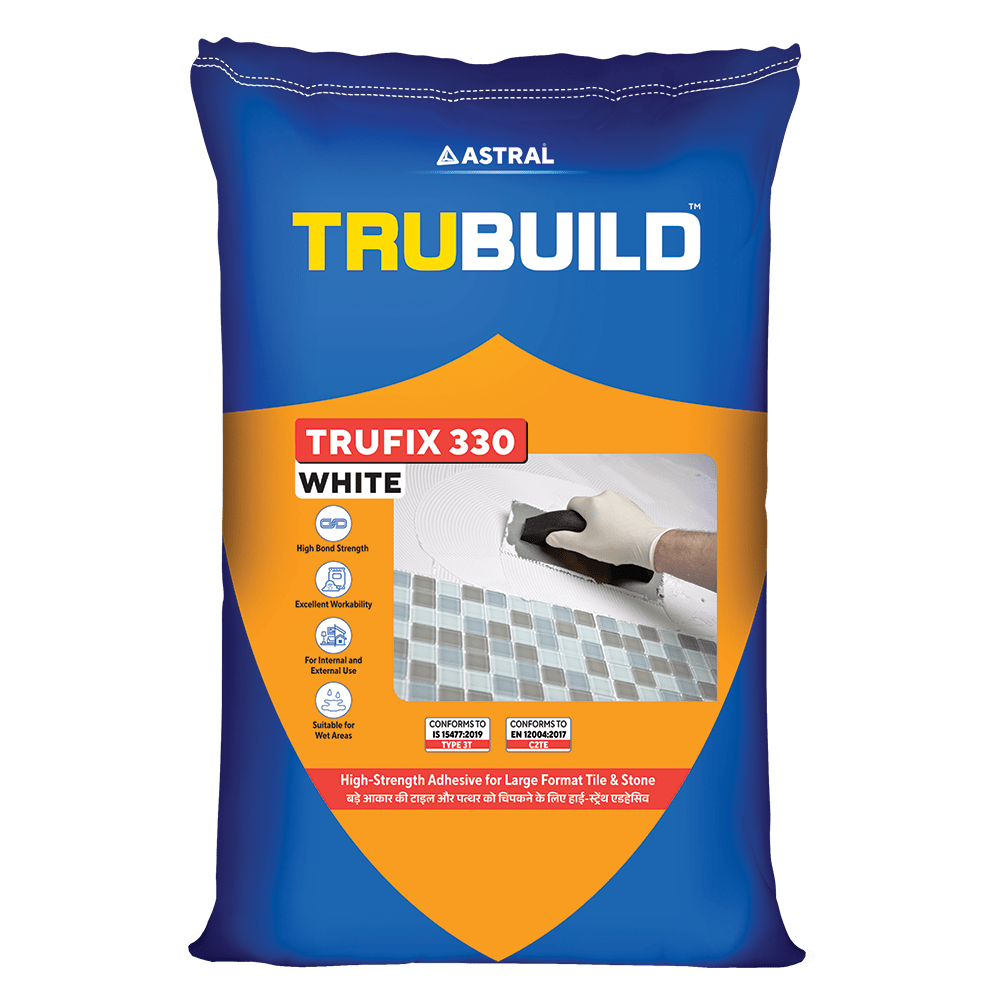
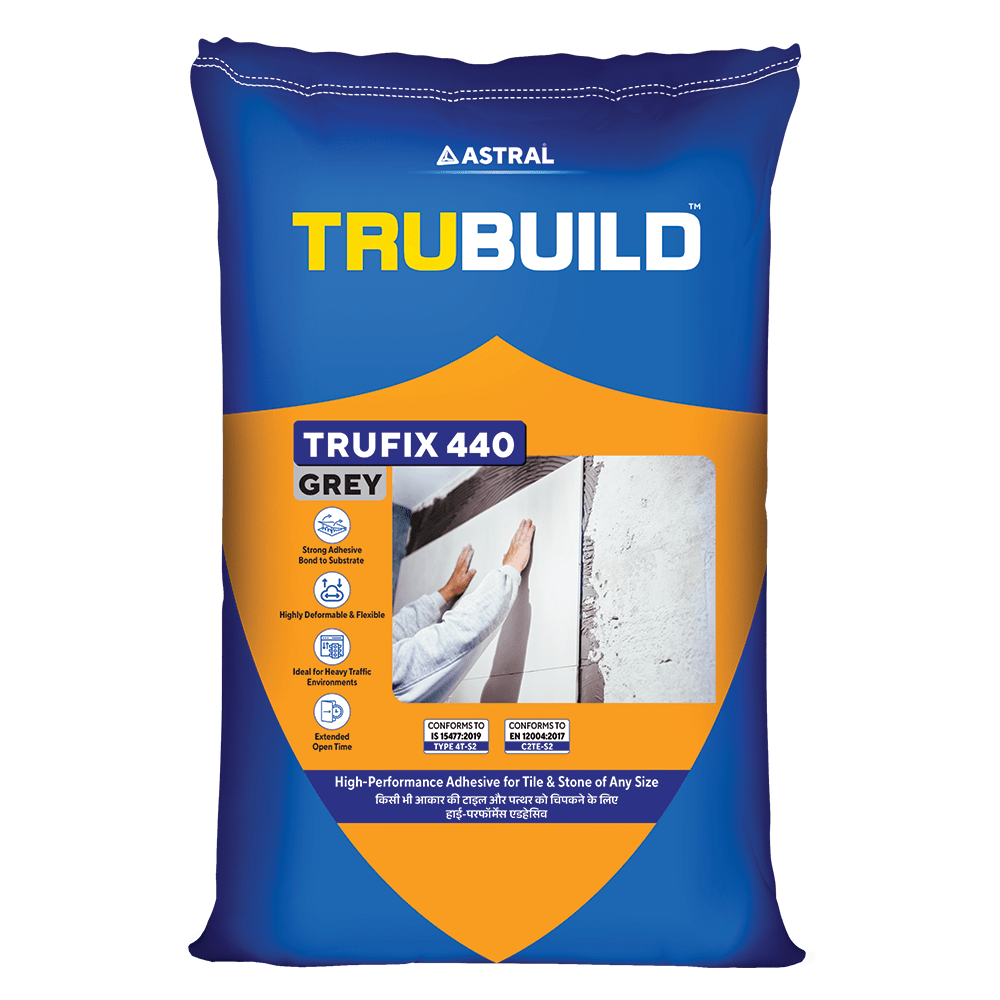
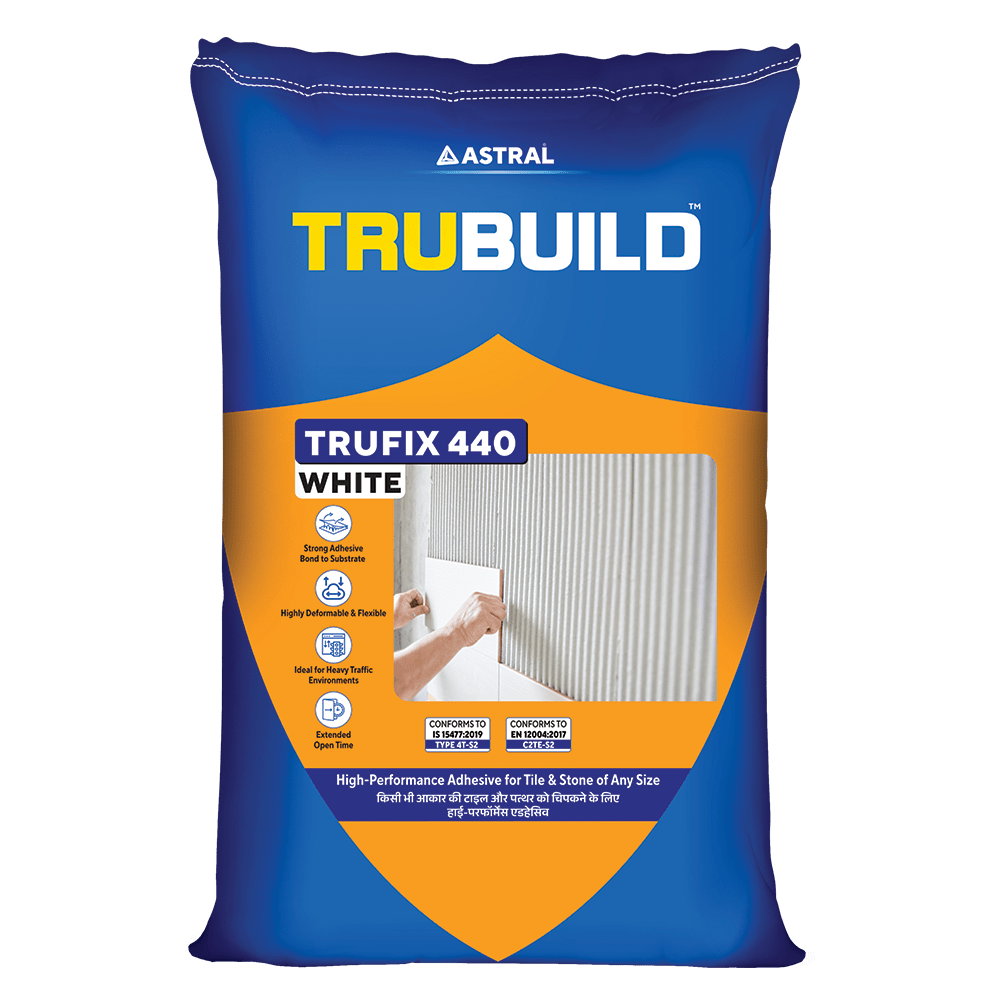
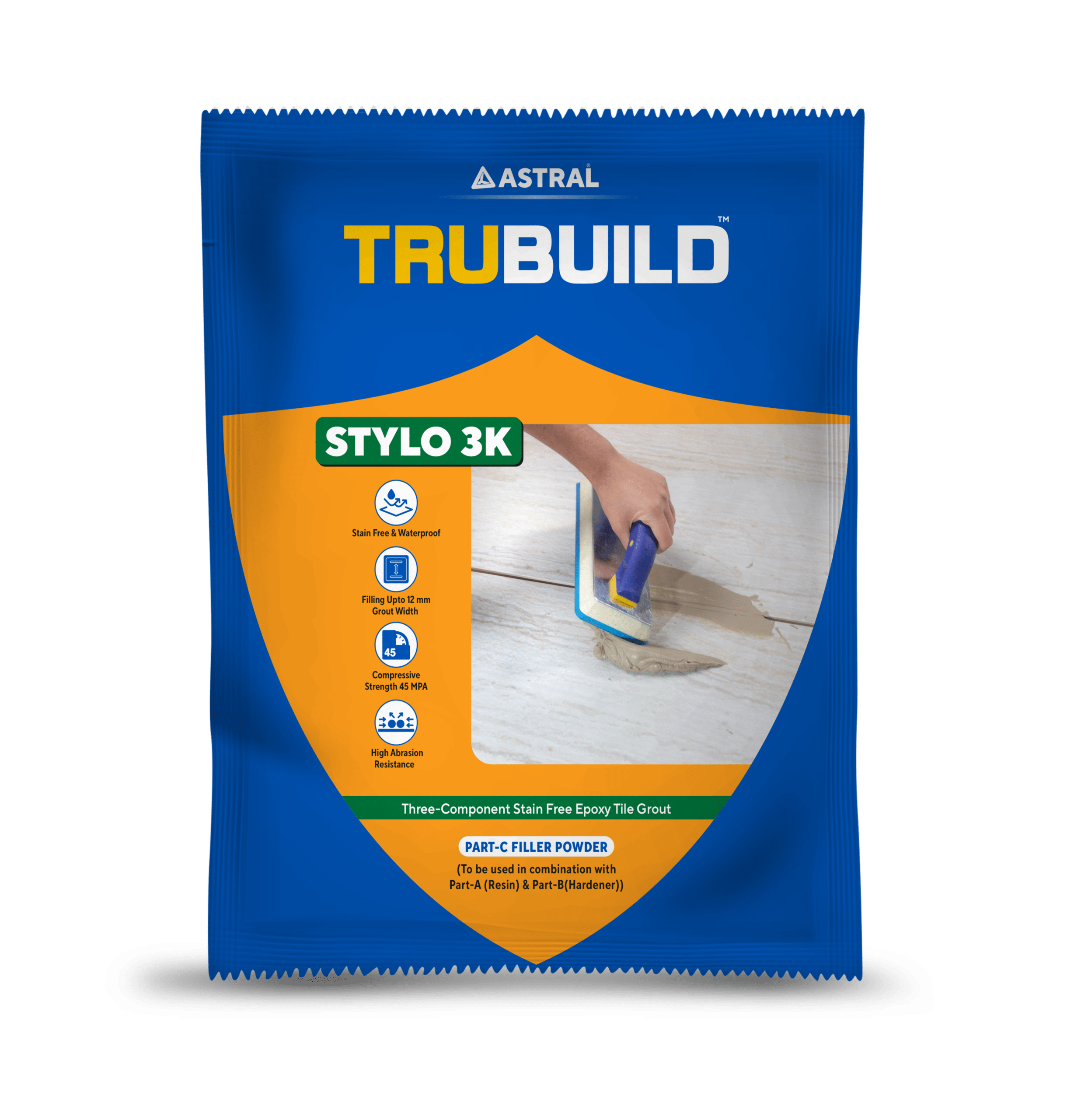
Explore Astral Trubuild’s range of tiling and grouting solutions for India-specific products. Our range offers high-performance solutions for modern construction needs. The range includes solutions like polymeric cement-based tile grout and stain-free epoxy grout, both designed for durability and ease of use.
The tile grout creates non-shrink, waterproof joints, suitable for ceramic, mosaic, marble and natural stone tiles in interior and exterior applications. The epoxy grout ensures stain-free, chemical-resistant and hard-wearing tile joints, which is ideal for areas prone to staining and heavy use.
Ready to upgrade? Test a small patch first.
FAQ
Which tile adhesive is best?
The best tile adhesive depends on your project’s needs. Polymer-modified tile adhesive is suitable for most Indian homes because it offers strong bonding and moisture resistance. For wet or high-traffic areas, the epoxy tile adhesive is the best option due to its superior strength and chemical resistance.
Can tile adhesive replace cement?
Yes, tile adhesive can replace traditional tile cement in most cases. It provides a stronger bond, sets faster and reduces the risk of tile detachment. Tile adhesive is especially recommended for modern renovations and projects where durability and quick turnaround are priorities.
How long does tile adhesive take to dry?
Tile adhesive typically dries in 6 to 48 hours. Cement-based adhesives generally require around 24 hours to set, while epoxy tile adhesive may need up to 48 hours for a full cure. Always allow the adhesive to cure completely before applying grout to ensure maximum strength and longevity.

