
 Concrete and Mortar
 Exterior Waterproofing
 Professional Sealants
 Roof Waterproofing
 Substructure Waterproofing
  Tiling and Grouting
 Water Tanks and Other Areas
  Wet Areas

 Home
HomeRoof Slab Waterproofing Maintenance Tips
Jan 10, 2026

Do you often look at your ceiling during the monsoon and worry about damp patches? For many Indian homeowners, the terrace is a place for evening chai or gardening, but it is also the most vulnerable part of the house. Direct sun, heavy rains and dust take a toll on the concrete. If you ignore these signs, a small damp spot can quickly turn into a major repair job. Taking care of your roof is easier than you think, and it helps keep your home safe and dry for years.
What is Roof Slab Waterproofing?
Roof slab waterproofing is the process of creating an invisible barrier over your concrete terrace. Since concrete is naturally porous, it acts like a sponge when it rains. Waterproofing involves applying specialised liquid membranes or chemicals that seal these pores and prevent water from seeping into the structure. This protection keeps the reinforcement steel inside the concrete from rusting, which maintains the strength of your building. In India, where temperatures fluctuate wildly, this layer also helps the slab cope with thermal expansion.
Why Maintenance Is Important for Waterproofing in Roof Slab
Even the highest quality waterproofing in roof slab needs regular attention. The harsh Indian summer causes the concrete to expand, while the monsoon brings constant moisture. This cycle creates stress on the protective coating. Regular maintenance acts as a health check-up for your home. It stops minor issues from escalating into structural damage. By spending a little time on upkeep, you save a significant amount of money on internal painting and plaster repairs. It also keeps your living spaces hygienic by preventing the growth of mould and mildew.
What Are the Common Problems in Roof Slabs?
Before you start maintenance, you must know what to look for. Several factors can compromise your waterproofing for slab roof.
- Cracks in the Concrete: You might notice tiny hairline cracks or larger structural splits. These usually happen because of temperature changes or the natural settling of the building.
- Water Ponding: If the slope of your roof is not correct, water gathers in small pools. Standing water is the biggest cause of leakages because it puts constant pressure on the coating.
- Peeling Layers: Over time, cheap or old coatings may start to flake off. This leaves the bare concrete exposed to the elements.
- Blocked Drains: Dust, leaves and debris often clog the drainage pipes. When water cannot flow out, it stays on the roof and finds its way into the smallest gaps.
Top Roof Slab Waterproofing Maintenance Tips
Maintaining your roof does not require professional help every time. You can follow these simple steps to keep the surface in great shape after waterproofing for a slab roof.
1. Inspect the Roof Slab Regularly
Walk across your terrace at least twice a year. Look for damp spots on the underside of the slab and white chalky deposits on the surface. These are signs that water is moving through the concrete.
2. Keep the Surface Clean
Dust and bird droppings can be acidic. Sweeping your roof regularly prevents the buildup of organic matter that can trap moisture and damage the protective layer.
3. Repair Cracks Immediately
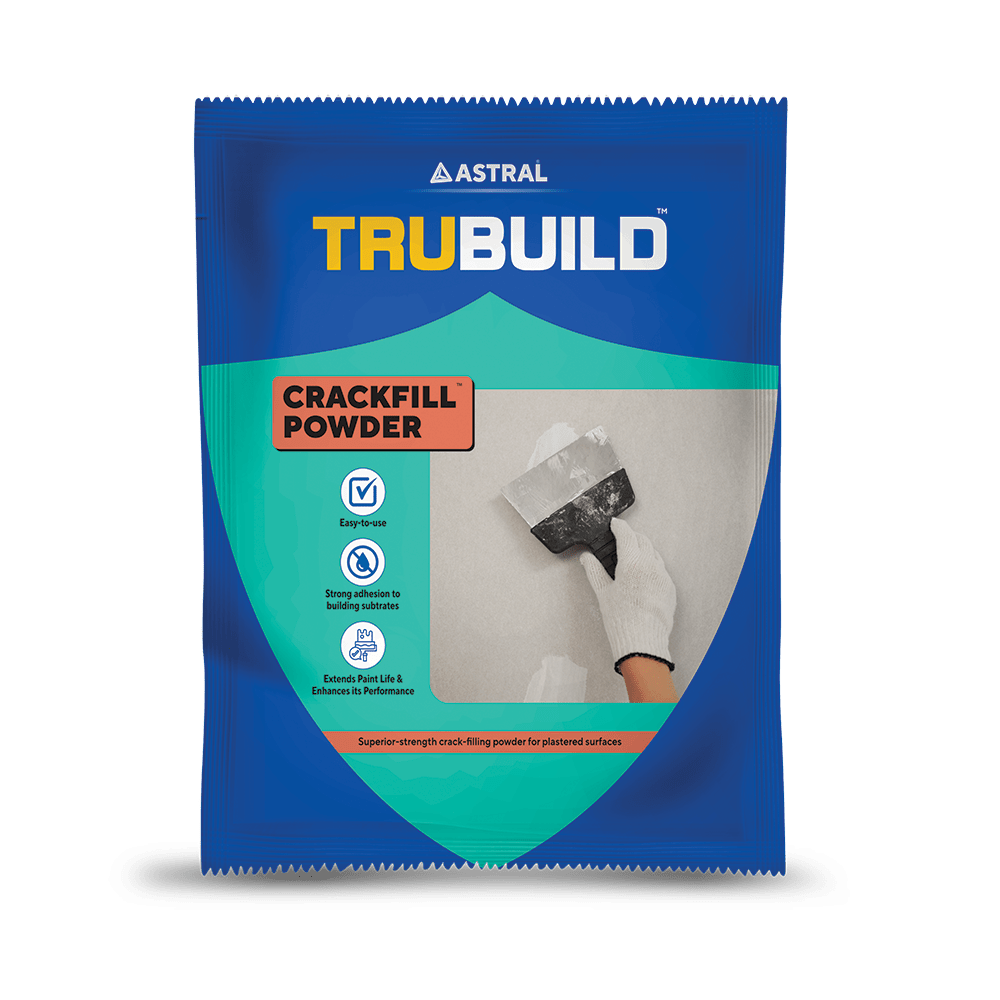
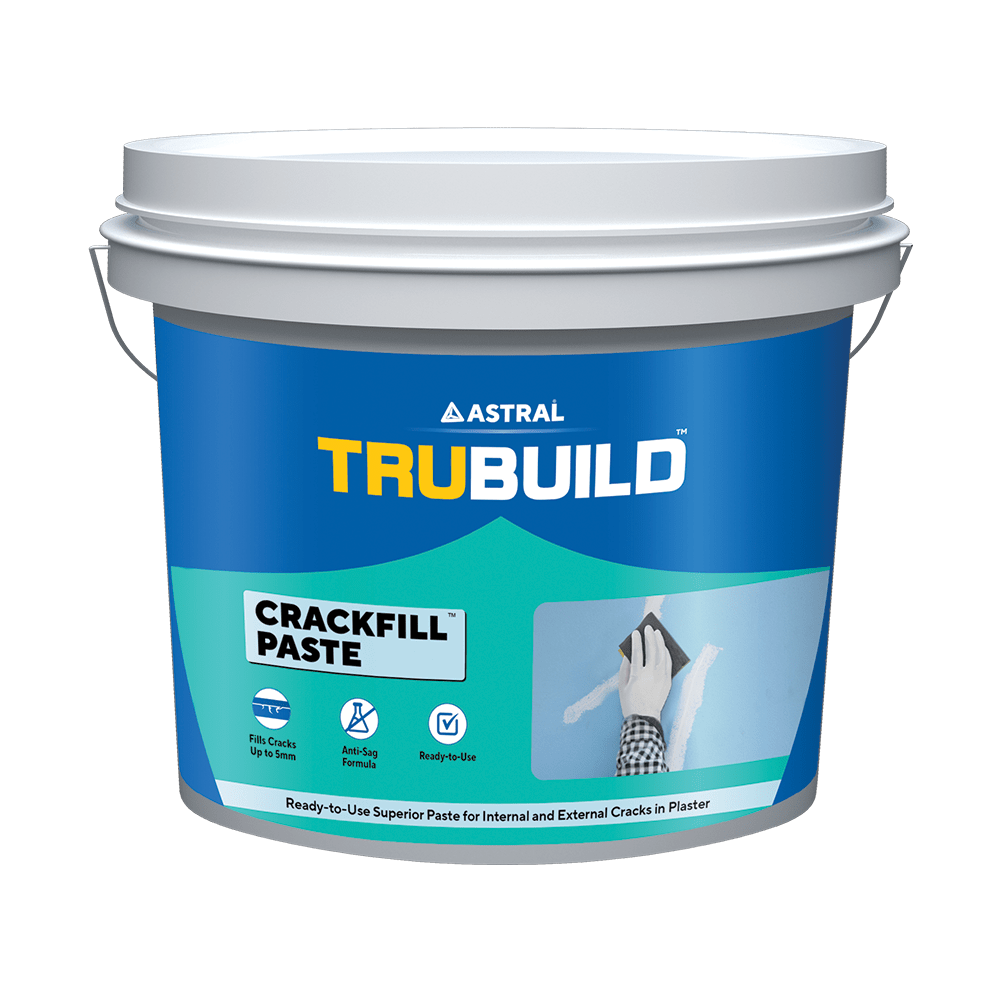
If you see a crack, do not wait for the next rain. Use a polymer-modified mortar or a dedicated crack filler. Filling these gaps prevents water from reaching the steel bars inside the slab.
4. Ensure Proper Drainage
Check that all rainwater pipes are clear. You can pour a bucket of water near the corners to see if it flows quickly toward the drain. If it lingers, you need to clear the blockage or adjust the slope.
5. Check Waterproofing Layer Condition
Touch the coating to see if it feels brittle or if it is coming off in patches. A healthy roof slab waterproofing layer should feel firm and continuous across the entire surface.
Astral Trubuild Solutions for Roof Waterproofing
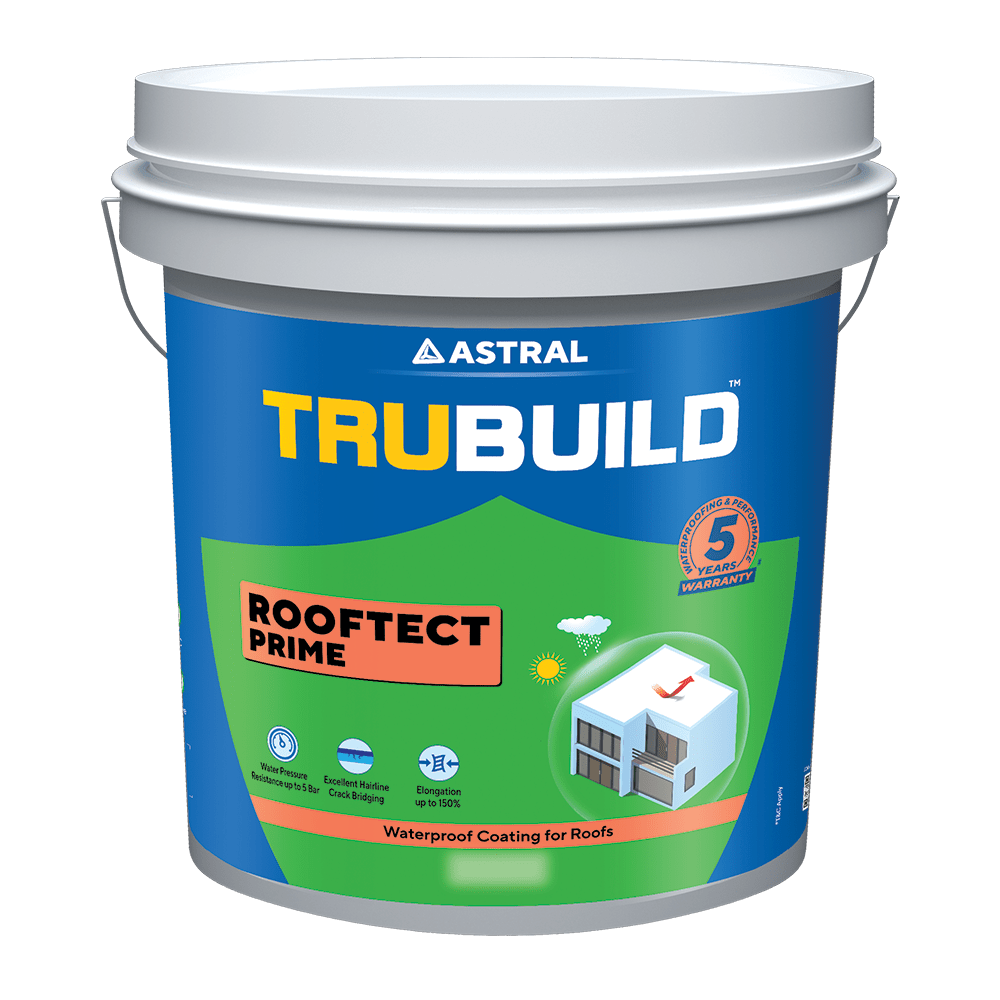
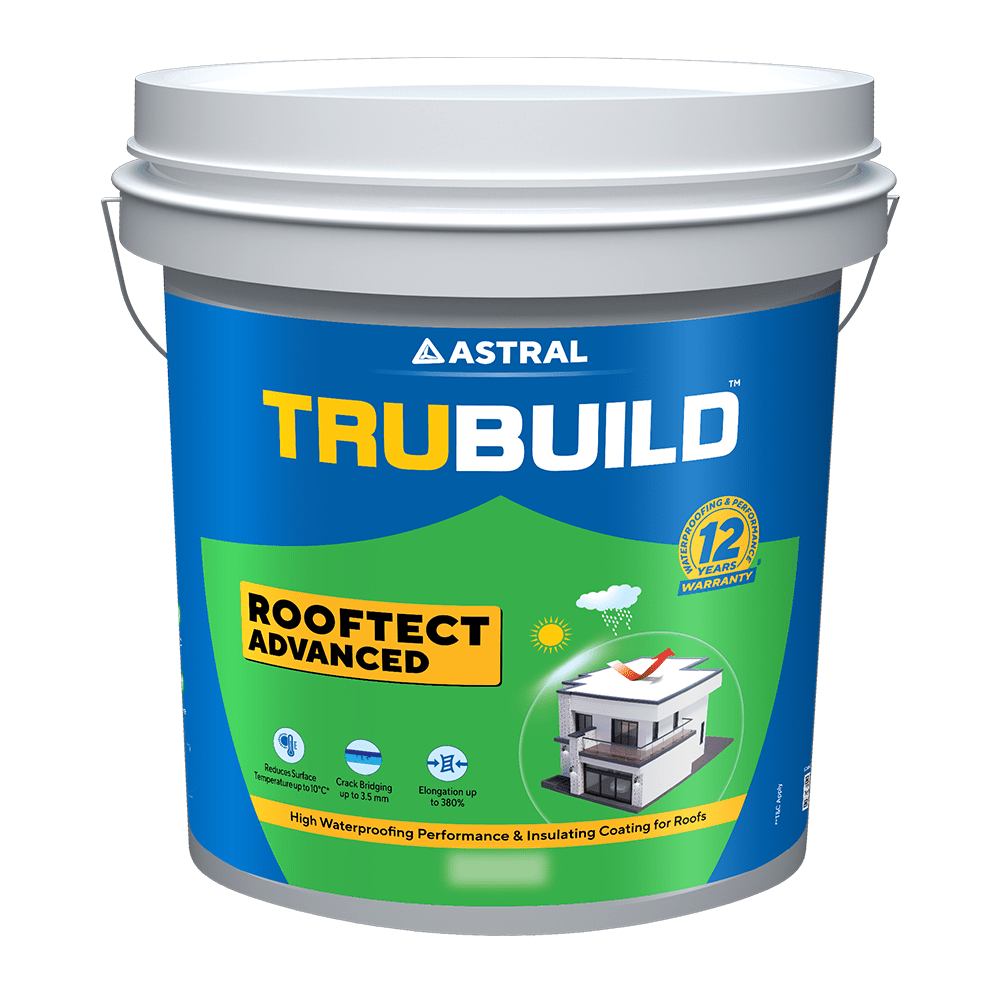
At Astral Trubuild, we offer a complete system to protect your roof slab from deterioration.For the roof surface itself, choose between Astral Trubuild Rooftect Pro and Rooftect Advanced based on your needs.
Rooftect Pro: Acrylic-based, good for general roof rehabilitation
Rooftect Advanced: PU acrylate-based, superior crack-bridging and heat reduction
Our Rooftect Advanced features a unique PU acrylate formula with exceptional crack-bridging ability up to 2mm and reduces surface temperature by up to 10°C through its high heat reflection. Both Rooftect variants form seamless membranes with excellent elongation that adapt to structural movement. A little care goes a long way in protecting your home. By following these maintenance tips and choosing the right products, you can make sure your waterproofing in roof slab stays effective. Regular checks and cleaning will keep your terrace leak-free for many seasons to come.
FAQ
Is waterproofing maintenance expensive?
No, regular maintenance is quite affordable. It involves simple tasks like cleaning and minor crack filling. These small costs prevent the need for expensive structural repairs or complete re-waterproofing in the future. It is a smart investment for every homeowner.
Does slab waterproofing reduce heat as well?
Yes, many modern solutions like Trubuild Roofect have heat-reflective properties. These coatings reflect sunlight away from the surface. This helps to keep the rooms below much cooler during the summer.
How often should roof slab waterproofing be maintained?
You should perform a basic cleaning and visual check every three to four months. A more detailed inspection is necessary before the monsoon begins and after it ends. This helps you catch any weather-related damage early.

