
 Concrete and Mortar
 Exterior Waterproofing
 Professional Sealants
 Roof Waterproofing
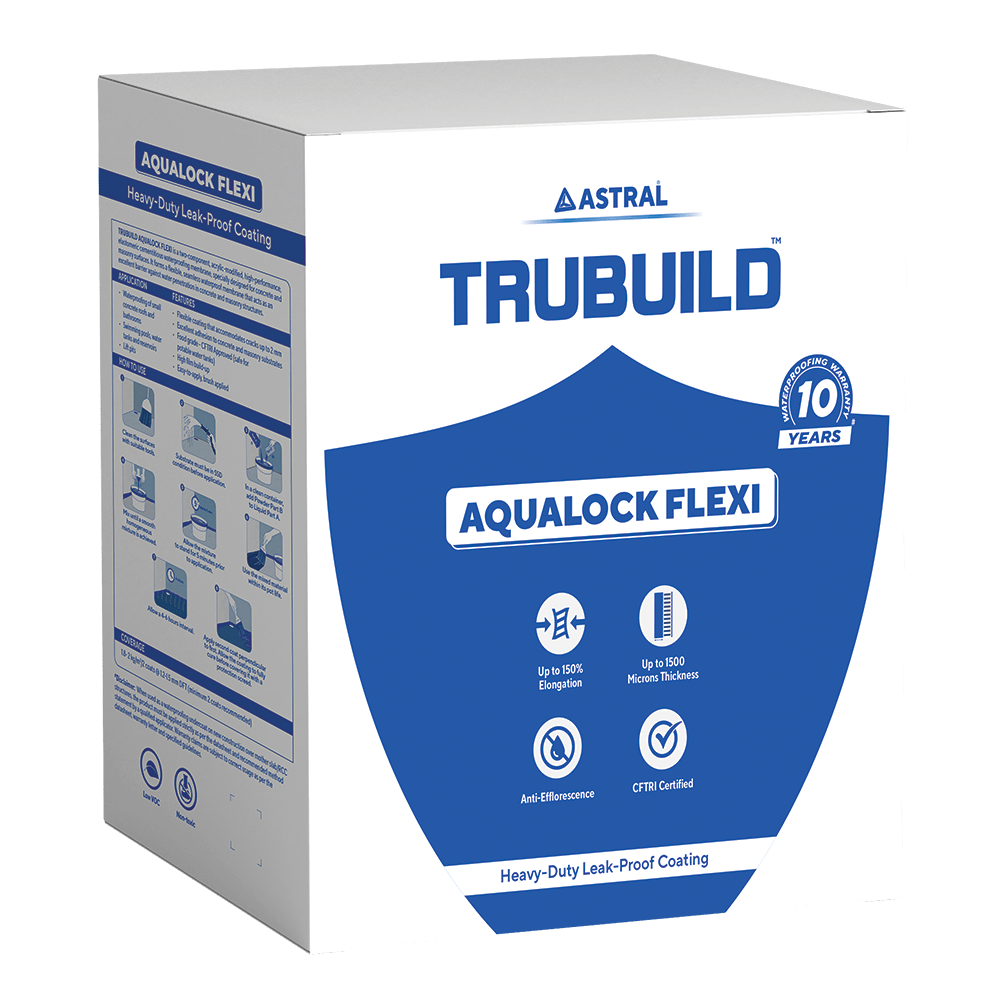
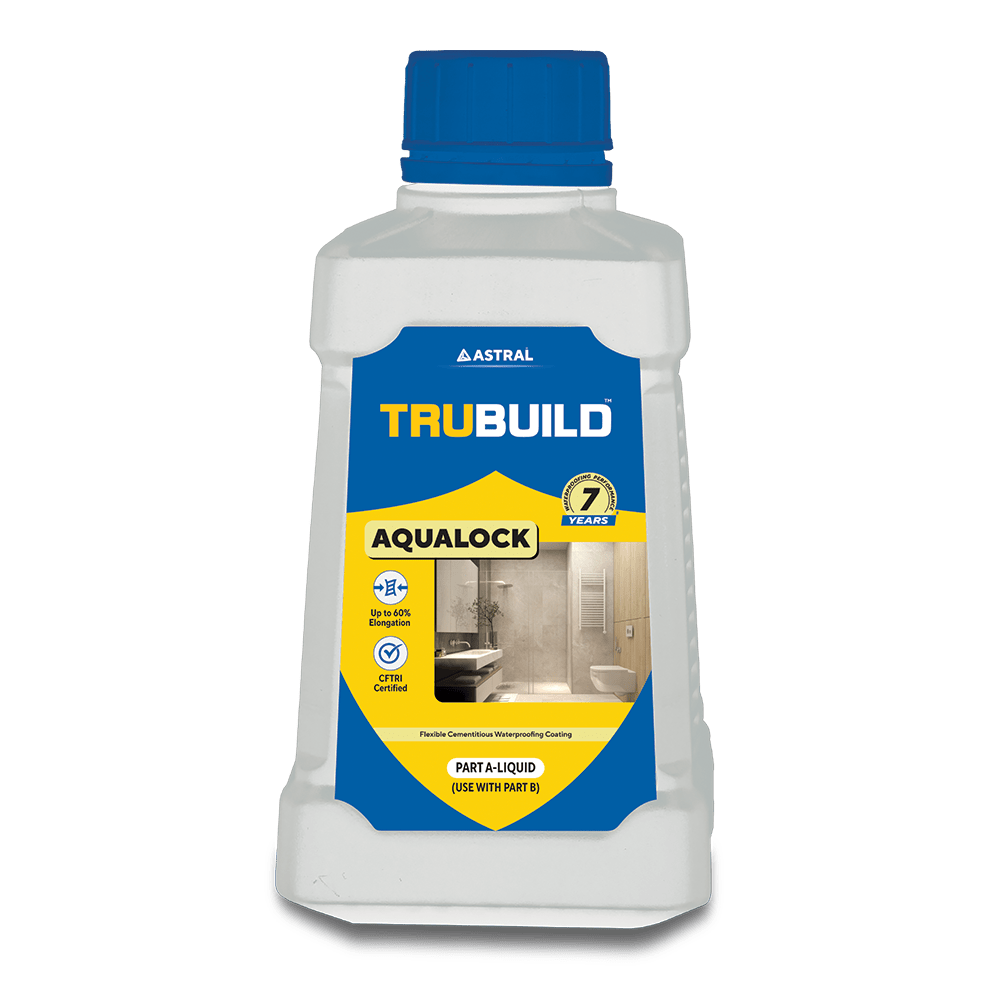
 Substructure Waterproofing
  Tiling and Grouting
 Water Tanks and Other Areas
  Wet Areas

 Home
HomeBest Practices for Waterproofing Underground Structures Before Tiling
Jan 4, 2026
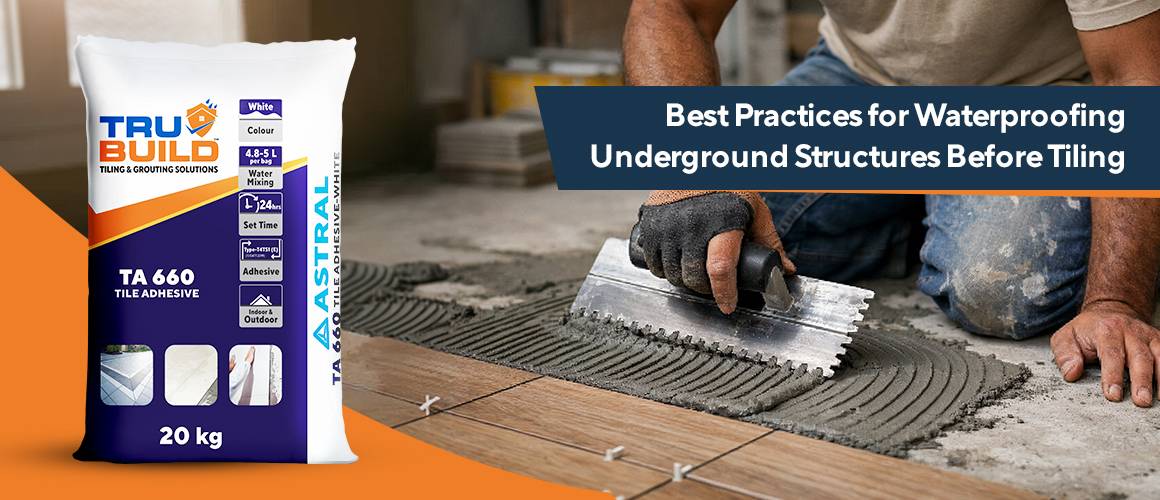
Underground structures are always exposed to water pressure and moisture from the soil. Whether it is a basement, a lift pit, or a sunken utility area, these spaces are vulnerable to water ingress that can compromise structural integrity. When planning to finish these areas with tiles, many homeowners overlook the essential step of specialised waterproofing. Simply applying tiles with standard adhesive is insufficient to stop the relentless force of groundwater.
This guide explores the right techniques and best practices for applying an underground waterproofing membrane to ensure your tiled surfaces remain beautiful, dry, and durable for decades to come.
What Are Underground Structures?
Underground structures refer to any part of a building or civil engineering project that are constructed below ground level. This includes residential basements, tunnels, subway stations, underground parking garages and more. Because these structures are surrounded by soil, they are in constant contact with moisture. This moisture can come from a high water table, seasonal rainwater seepage or capillary action where water seeps through the porous concrete.
Effective waterproofing underground structures requires a proactive approach, as these areas are difficult and often expensive to repair once the building is complete and the exterior is backfilled with soil.
Why Waterproofing Is Important Before Tiling?
Tiling is often perceived as a protective layer, but ceramic and vitrified tiles are not inherently waterproof. The grout lines are porous and can allow moisture to pass through. When underground wall waterproofing is done before tiling, you create an impermeable barrier between the concrete substrate and the decorative finish. Without this layer, moisture trapped behind the tiles can cause ‘efflorescence’ (white powdery deposits), mould growth, and the eventual failure of the tile adhesive. Waterproofing ensures that the bond between the tile and the wall remains secure. It prevents hollow sounds, cracking, or tiles popping off due to moisture-induced pressure.
Best Practices for Waterproofing Underground Structures Before Tiling
To achieve a leak-proof finish, follow these industry-standard steps:
- Detailed Surface Inspection: Check for honeycombing in the concrete, loose plaster, or oily residues. The substrate must be structurally sound before any chemicals are applied.
- Thorough Surface Preparation: Clean the surface of all dust and debris. The surface should reach a Saturated Surface Dry (SSD) condition, damp, but without standing water.
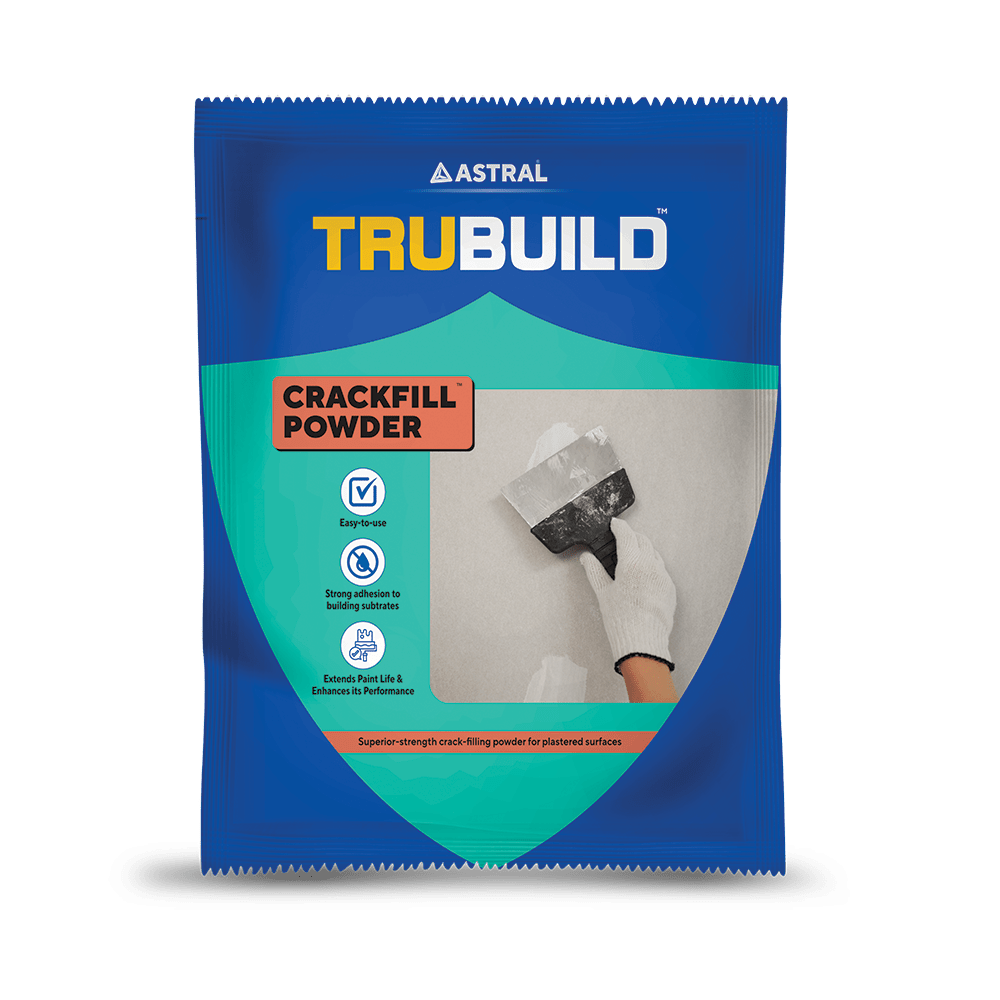
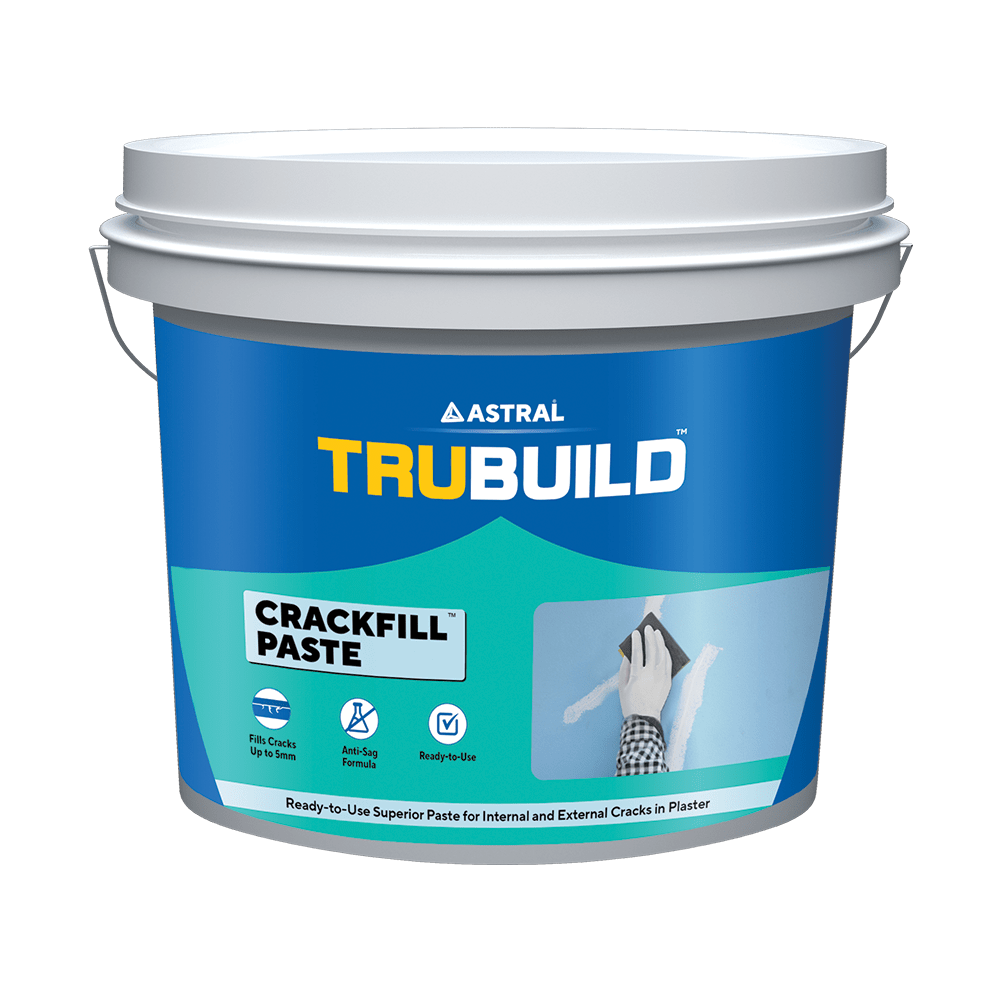
- Crack and Joint Treatment: Treat all construction joints and cold joints with specialised mortars. Use a product like Trubuild CFP 425 to seal cracks effectively.
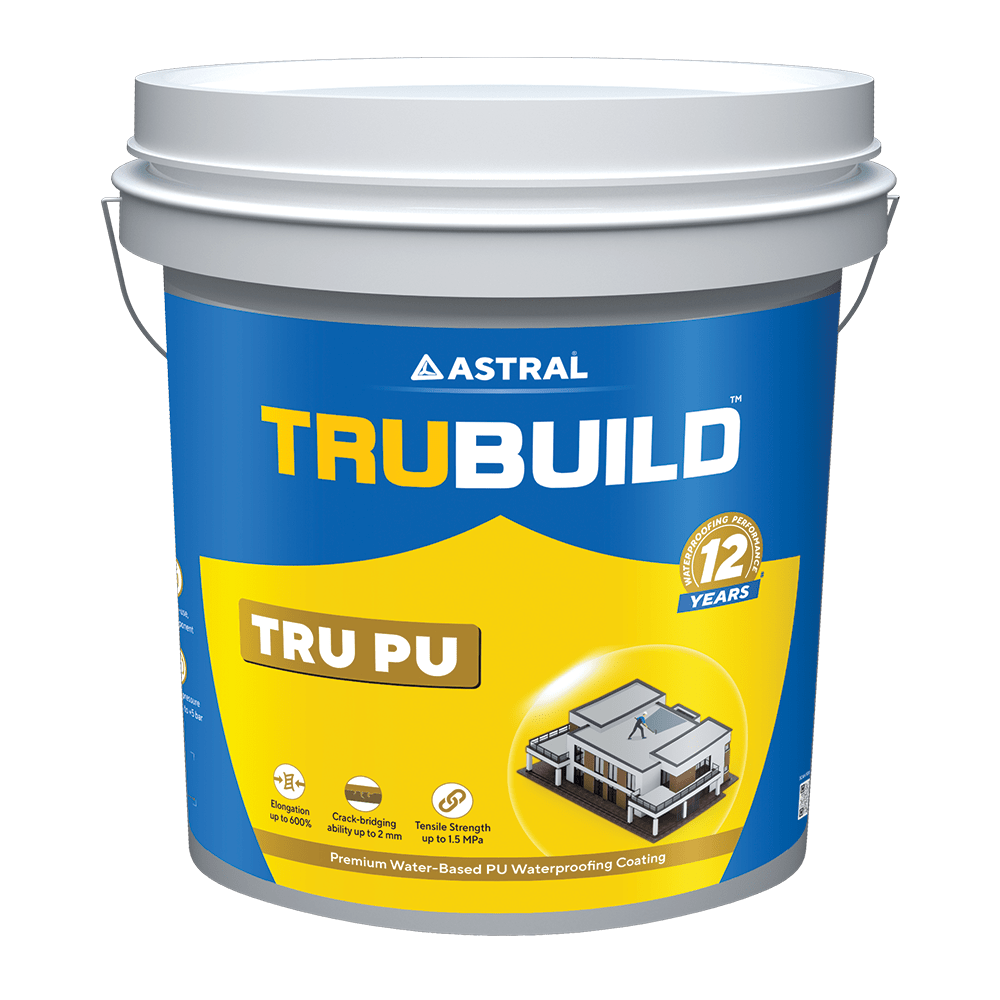
- Apply Underground Waterproofing Membrane: Use high-performance products like Trubuild TRU PU, a bitumen-modified, liquid-applied polyurethane membrane. This is suitable for underground wall waterproofing.
- Priming: Prime the surface with a self-priming coat (TRU PU diluted with a maximum 20% water).
- Coating: Follow with two undiluted coats applied by brush, roller, or airless spray. The second coat should be applied perpendicular to the first to ensure a continuous film.
- Ensure Proper Curing: Allow an interval of 6 to 8 hours between coats (though 24 hours is recommended in certain conditions). The membrane must be protected from mechanical damage during backfilling. Conduct a water flood test only after the membrane has cured for a minimum of 10 days.
Common Water Problems in Underground Structures
The most frequent issue in underground areas is hydrostatic pressure, where groundwater pushes against the foundation with immense force, finding even the smallest microscopic cracks. This leads to seepage on the interior walls. Trubuild TRU PU is specifically designed with excellent hydrostatic pressure resistance to combat this seepage. Another common problem is capillary rise, where moisture travels upward through the floor slab, ruining floor tiles and wooden skirting. In poorly ventilated spaces, condensation can also occur, which mimics the appearance of a leak. If left untreated, these issues can lead to the corrosion of steel reinforcements (rebar), eventually weakening the entire building’s foundation.
Why Astral Trubuild TRU PU is the Right Choice for Waterproofing Underground Structures?
Trubuild TRU PU stands out as the ideal solution for underground waterproofing, foundations, and retaining walls due to its specialised polyurethane chemistry:
1. Excellent Elongation & Flexibility:
With elongation at break, it creates a permanently flexible barrier that accommodates structural movements.
2. Superior Crack Bridging:
It offers the best-in-class crack bridging ability for cracks up to 2 mm.
3. Single-Component Convenience:
Being a single-component liquid system, it is easy to apply directly from the container, saving time on-site.
4. High Adhesion:
It provides excellent adhesion to a wide range of substrates, ensuring the membrane stays bonded under pressure.
5. Durability:
The system provides outstanding resistance to oxidation and embrittlement, ensuring long-term protection for buried structures.
6. Seamless Barrier:
As a liquid-applied membrane, it forms a continuous, joint-free film that eliminates the weak points often found in sheet-based systems.
Note: After full cure, the product remains slightly tacky. It is recommended to use a separation layer, such as a PE sheet or geotextile, before covering it with a protection screed or tiling. Remember, the cost of waterproofing during construction is a fraction of the cost required to fix a leaking basement after the tiles have already been laid. By choosing the right underground waterproofing membrane and following rigorous application standards, you protect your investment from the destructive power of groundwater. Astral Trubuild range offers specialised solutions for these high-pressure environments.
FAQ
Is waterproofing mandatory before tiling underground areas?
Yes, it is essential. Underground areas are subject to constant moisture from the surrounding soil. Underground walls face hydrostatic pressure that can force water through grout and tile adhesive. Skipping this step can lead to tile debonding, persistent damp smells, and structural damage that is incredibly difficult to fix once the room is finished.
Can underground waterproofing be done from inside?
Yes, internal waterproofing for underground structures can be done using cementitious coatings. These underground waterproofing membrane coatings bond with the masonry to create a barrier. For high-pressure areas, this is often paired with internal drainage systems to manage water that has already penetrated the exterior wall.
What happens if waterproofing is skipped before tiling?
If you skip waterproofing, you will likely encounter ‘efflorescence’, unsightly white salt stains on your tiles. Over time, the moisture trapped behind the tiles will weaken the adhesive. This can also lead the tiles to crack or fall off. More seriously, moisture will eventually reach the steel reinforcement within the concrete, leading to rust and long-term structural instability.

